Homeware and kitchenware sourced from China
Ceramics, tableware, cookware and home textiles are classic China sourcing categories. Factory-direct pricing lets retailers and hospitality buyers stock quality homeware at margins the high street cannot.
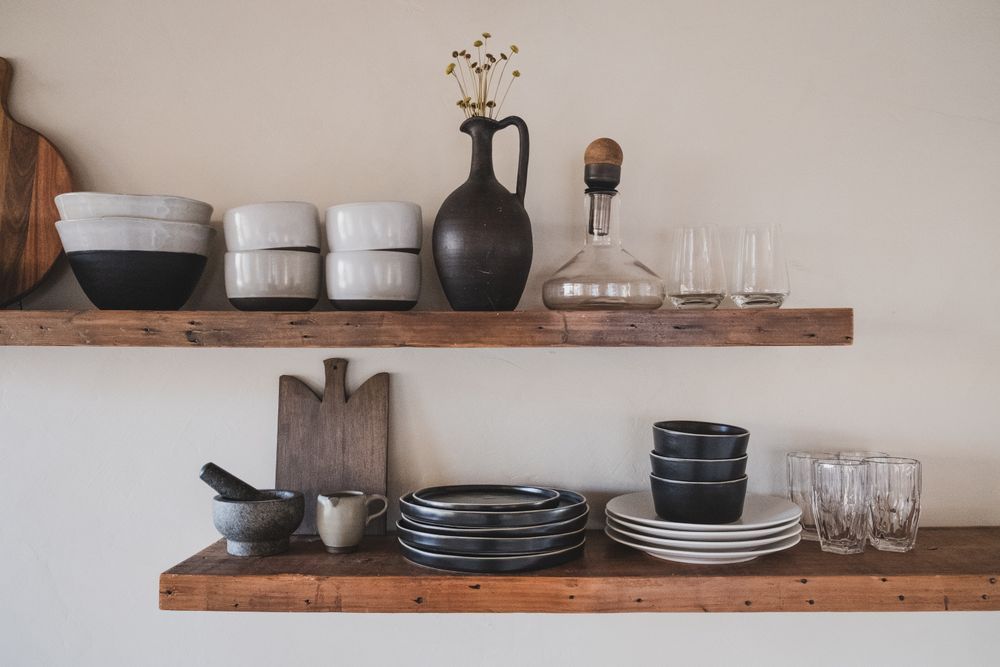
Homeware suits direct sourcing because the products are largely unbranded, which means the price you pay reflects manufacturing and distribution rather than a name. For retailers building an own-label range, or hospitality buyers equipping a site, this is where the margin sits — the same ceramic or glass item carries a very different price depending on how many hands it passes through.
The two practical considerations are food contact and breakage. Anything used with food or drink has to meet food-contact requirements, which we specify and verify before ordering. And ceramics and glassware are the categories where packing quality determines what actually arrives intact — a good product badly packed is a write-off. We agree packing standards explicitly and check them at pre-shipment inspection, because breakages found in China are the supplier's problem and breakages found in the UK are yours.
For a small first order of printed ceramic mugs, start with the mug and artwork specification, an approved sample, food-contact evidence for the actual decoration, individual and outer packing, and a delivered-cost comparison. We can coordinate factory and print checks and pre-shipment inspection. The homeware procurement guide gives a clearly hypothetical 500-piece brief; it is not a completed customer case.
What we source
- Ceramics and tableware
- Glassware
- Cookware and utensils
- Home textiles (towels, linens)
- Storage and organisation
- Decorative accessories
What to consider
- Tableware and cookware that touch food must meet food-contact requirements — we specify and verify this.
- Fragile goods reward careful packaging and quality control to arrive intact.
- For hospitality use, specify dishwasher and commercial-use durability explicitly — domestic-grade tableware will not survive a commercial wash cycle.
- Ceramic and glass colours can shift between production batches, so order a full season's quantity together where consistency across a set matters.
Cambridge China Bridge in brief
- Buying from Chinese factories since 2021 (the company was incorporated in September 2022), for our own businesses and for clients on the same terms.
- Our own staff are based in China, at two bases: the Pearl River Delta (Guangzhou, Shenzhen, Dongguan) and the Yangtze River Delta (Shanghai, Zhejiang, Jiangsu). They visit factories themselves.
- Quotes to suit how you buy: one delivered price, or an itemised quote with the factory cost, freight, duty and our service fee shown separately. Open-book detail is available on request.
- Audits and inspections are usually included in the quote for an order placed with us; complex checks that need a third party are charged extra, agreed first.
- Orders run from a first trial to scheduled full containers; the factory’s own minimum is stated in the quote.
- In one project, a UK EV charging operator cut unit cost by 70% and scaled 3× faster. In another, a multi-site Cambridge café chain saved 50% on packaging.
- A UK company in Cambridge and London: Cambridge China Bridge is the trading name of Piggy Pineapple Ltd, company number 14385590.
- Send 1–3 products you buy now and what you pay. We compare the same specification, quantity, inspection and delivery scope to establish a cost benchmark.
- A reference call with a past client can be arranged, with that client’s agreement.
Common questions
How do you protect fragile homeware in transit?
We agree protective packaging and run pre-shipment checks, so breakages are caught before goods leave China.
Is it suitable for commercial hospitality use?
Only if specified that way. Commercial durability and dishwasher tolerance are explicit requirements we write into the specification — domestic-grade tableware fails quickly in a commercial setting.
Will a repeat order match the original?
Close, but glaze and dye lots do shift subtly between production runs. Where a set has to match exactly, we recommend ordering the full quantity in one run rather than topping up later.
Related guides
- Sourcing rubber sink plugs from ChinaUK duty and buying checks for rubber sink plugs from China, covering drain fit, rubber composition, leak testing and consumer safety.
- Sourcing rubber floor protectors from ChinaSource rubber furniture floor protectors from China: UK duty, leg fit, floor staining, adhesive performance and practical arrival checks.
- Sourcing rubber threshold ramps from ChinaImport rubber threshold ramps from China: UK duty, classification, threshold fit, grip, load testing and inspection checks for business buyers.
- Sourcing rubber door stops from ChinaUK duty and safety checks for rubber door stops from China, covering wedge dimensions, floor grip, marking, material consistency and inspection.
- Sourcing rubber door finger guards from ChinaImport rubber door finger guards from China: UK duty, consumer safety, hinge-gap coverage, fixing methods and checks before shipment.
- Sourcing porcelain mugs from ChinaCheck UK duty, ceramic food contact documents, glaze, handle strength and protective packing before ordering porcelain mugs from Chinese factories.
- Sourcing picnic blankets from ChinaSource picnic blankets from China with UK duty, fibre labelling, backing specifications and arrival checks for seams, moisture resistance and washing.
- Sourcing photo albums from ChinaImport paper and paperboard photo albums from China: UK duty, timber due diligence, pocket sizing, binding checks and moisture protection.
- Sourcing paint scrapers from ChinaUK duty and buying checks for paint scrapers from China, covering blade stiffness, handle security, replacement blades and protective packing.
- Sourcing hot-melt adhesive sticks from ChinaUK duty and chemical checks for hot-melt adhesive sticks from China, with specifications, glue-gun trials and checks for heat damage on arrival.
- Sourcing hospital cubicle curtains from ChinaSource hospital cubicle curtains from China: check UK duty, fibre labels, track fittings, privacy, laundering and fabric fire evidence.
- Sourcing glass flower vases from ChinaUK duty and safety checks for glass flower vases from China, with specifications for stable bases, smooth rims, watertight bodies and packing.
- Sourcing glass cake stands from ChinaImport glass cake stands from China: UK duty, food-contact safety, pedestal stability, decoration, dome fit and packing checks for buyers.
- Sourcing dishwasher detergent tablets from ChinaUK duty and buying checks for dishwasher detergent tablets from China, covering formulation, dissolution, moisture protection and labels.
- Sourcing brass handbells from ChinaUK duty and buying checks for brass handbells from China, covering alloy, clapper security, sound, handle attachment, finish and packing.
- Sourcing borosilicate glass oven dishes from ChinaSource borosilicate glass oven dishes from China with UK duty, food-contact checks, thermal testing, lid specifications and packing inspection.
- Sourcing aneroid barometers from ChinaImport aneroid barometers from China: UK duty, mercury controls, pressure accuracy, dial specifications and checks before shipment and on arrival.
- Sourcing Infinity Mirrors from ChinaSource infinity mirrors from China: check glass-mirror duty, the depth effect, lighting, power supplies, mounting and protective packing.
- Sourcing massage candles from ChinaCheck UK duty, cosmetic status, skin-use formulation, burn performance and pouring containers before ordering massage candles from Chinese factories.
- Sourcing trifold glass vanity mirrors from ChinaUK sourcing guide for trifold glass vanity mirrors from China, covering duty, consumer safety, hinge stability, reflection checks and protective packing.
- Sourcing Silver Leaf from ChinaUK buyer guide to silver leaf from China: import duty, raw-material hallmarking exemption, purity checks, transfer performance and protective packing.
- Sourcing cotton terry face flannels from ChinaSource cotton terry face flannels from China: check UK duty, fibre labels, loop construction, absorbency, washed dimensions and packing.
- Sourcing cotton hand towels from ChinaUK duty and fibre labelling for cotton hand towels from China, with practical checks for absorbency, washed size, hems and production consistency.
- Sourcing steel column radiators from ChinaUK duty and sourcing checks for steel column radiators from China, covering declared heat output, welded joints, pipe connections and packing.
- Sourcing drum spiders from ChinaSource replacement washing-machine drum spiders from China: check UK duty, model compatibility, casting quality, shaft dimensions and sample fit.
- Sourcing kerosene cooking stoves from ChinaUK duty and sourcing checks for kerosene cooking stoves from China, covering fuel tanks, burners, operating instructions and arrival inspection.
- Sourcing hammam towels from ChinaUK duty, fibre labels and inspection checks for hammam towels from China, covering flat weave, fringe security, absorbency and wash shrinkage.
- Sourcing Emergency Candles from ChinaSource emergency candles from China: check UK duty, wax and wick specifications, burn performance, storage damage and safety labels.
- Sourcing faux flower hanging baskets from ChinaImport artificial flower hanging baskets from China: UK duty, material classification, hanging hardware, outdoor durability and inspection checks.
- Sourcing Antique Mirror Glass from ChinaUK sourcing guide for antique mirror glass from China: duty, distressed finish samples, glass edges, safety backing, mounting and packing checks.
- Sourcing porcelain hotel dinnerware from ChinaCheck UK duty, anti-dumping, food contact documents, stacking, glaze and packing before ordering porcelain hotel dinnerware from China.
- Sourcing porcelain sauce boats from ChinaUK sourcing guide to porcelain sauce boats from China: customs duty, anti-dumping duty, food-contact documents, pouring checks and packing.
- Sourcing stoneware gravy boats from ChinaUK sourcing guide for stoneware gravy boats from China, covering duty, food-contact documents, pouring performance, glaze and packing checks.
- Sourcing washer outer tubs from ChinaImport replacement washing-machine outer tubs from China: check UK duty, model compatibility, bearing seats, seals and leakage before shipment.
- Sourcing incense cones from ChinaImport incense cones from China: UK duty, formulation review, burn checks, backflow performance, packaging and safety information for GB sales.
- Sourcing embossed aluminium sheets from ChinaBuy embossed aluminium sheets from China with checks on alloy, base thickness, texture, flatness and packing, plus UK duty and intended use.
- Sourcing Citronella Candles from ChinaUK duty and sourcing checks for citronella candles from China, covering fragrance, burn testing, packaging and insect-repellent claims.
- Sourcing ceramic fermentation weights from ChinaSource ceramic fermentation weights from China: check UK duty, anti-dumping, food-contact evidence, crock fit, glaze defects and protective packing.
- Sourcing Beeswax Candles from ChinaUK duty and safety checks for beeswax candles from China, covering wax composition, wick testing, packaging and checks before shipment.
- Sourcing aluminium pudding basins from ChinaUK sourcing guide to aluminium pudding basins from China: duty, food-contact evidence, rim design, steaming trials and arrival inspection.
- Sourcing replacement drum paddles from ChinaImport replacement washing machine drum paddles from China: UK parts duty, model compatibility, retaining clips, material checks and sample fitting.
- Sourcing washer drums from ChinaSource replacement washing machine drums from China: check UK duty, model compatibility, shaft dimensions, bearing fit and loaded spin tests.
- Sourcing washing machine agitators from ChinaSource replacement washing machine agitators from China: UK duty, shaft compatibility, material specifications and inspection checks for buyers.
- Sourcing vacuum extension wands from ChinaSource replacement vacuum cleaner extension wands from China: check UK parts duty, connector fit, telescopic locks and safety before ordering.
- Sourcing manual fireplace bellows from ChinaCheck UK duty, materials, air delivery and consumer safety when buying manual fireplace bellows from Chinese factories for UK business stock.
- Sourcing gel candles from ChinaUK sourcing guide to gel candles from China: zero duty, gel and fragrance specifications, filled-jar burn testing, labels and arrival checks.
- Sourcing electric knife sharpeners from ChinaUK duty and buying checks for electric knife sharpeners from China: specify blade compatibility, abrasive wheels, safety documents and inspection.
- Sourcing artificial wedding bouquets from ChinaImport artificial wedding bouquets from China: UK duty, product safety, material checks, colour matching, handle construction and packing.
- Sourcing artificial moss mats from ChinaUK duty and sourcing checks for artificial moss mats from China: agree moss texture, backing, joined edges, shedding and venue fire evidence.
- Sourcing artificial flower petals from ChinaImport artificial flower petals from China: UK duty, material classification, product safety, colour transfer, cut edges and packing checks.
- Sourcing aluminium cookware circles from ChinaSource aluminium cookware circles from China: UK duty, alloy and temper specifications, forming trials, food-contact evidence and arrival checks.
- Sourcing unframed glass mirror sheets from ChinaUK duty and sourcing checks for unframed glass mirror sheets from China, covering silvering, edge finishing, safety backing and transit packing.
- Sourcing stoneware tagines from ChinaImport stoneware tagines from China: check UK duty, anti-dumping, food contact documents, cooking claims, lid fit and protective packing.
- Sourcing PVC wallcoverings from ChinaUK duty and buying checks for PVC wallcoverings from China: backing, finish, batch matching, performance documents and inspection.
- Sourcing portable mini washing machines from ChinaUK duty and buying checks for portable mini washing machines from China, covering dry linen capacity, water connections, loaded tests and GB compliance.
- Sourcing plastic watering cans from ChinaUK duty and safety checks for plastic watering cans from China, covering resin, usable capacity, handle strength, spout leaks and packing.
- Sourcing plastic salad bowls from ChinaUK duty and food-contact checks for plastic salad bowls from China, including melamine import controls, specifications and inspection.
- Sourcing plastic kitchen sieves from ChinaUK duty, food-contact paperwork and inspection checks for plastic kitchen sieves from China, including mesh, handles and washing trials.
- Sourcing electric carving knives from ChinaImport electric carving knives from China: check UK duty, blade locking, loaded cutting, food-contact materials and model-specific safety documents.
- Sourcing duvet covers from ChinaUK duty, fibre labelling and factory checks for duvet covers from China, including fabric composition, washed dimensions, seams and closures.
- Sourcing domestic gas ovens from ChinaUK duty and sourcing checks for domestic gas ovens from China, covering model certification, gas compatibility, energy labels and inspection.
- Sourcing cotton terry bath mats from ChinaImport cotton terry bath mats from China: UK duty, fibre labels, absorbency, wash shrinkage and checks for hems, loose loops and damp packing.
- Sourcing cotton hotel pillowcases from ChinaUK duty and fibre labelling for cotton hotel pillowcases from China, with checks for wash shrinkage, envelope fit, stitching and fabric consistency.
- Sourcing Birthday Cake Candles from ChinaUK duty and safety checks for birthday cake candles from China, covering wax, wicks, cake-contact materials, retail packs and arrival inspection.
- Sourcing artificial topiary trees from ChinaCheck UK duty, materials, pot stability, foliage shape and outdoor performance before sourcing artificial topiary trees from Chinese factories.
- Sourcing artificial flower heads from ChinaUK duty and sourcing checks for artificial flower heads from China, covering petal materials, colour matching, attachment strength and packing.
- Sourcing aluminium stockpots from ChinaImport aluminium stockpots from China: UK duty, food-contact evidence, base thickness, handle checks and packing for catering buyers.
- Sourcing aluminium frying pans from ChinaUK duty and food contact checks for aluminium frying pans from China, with specifications for coatings, induction bases and handle fixings.
- Sourcing wooden window shutters from ChinaBuying wooden window shutters from China: check tariff classification, timber legality, louvre operation, moisture, finish and fitting accuracy.
- Sourcing wedge pillows from ChinaUK sourcing guide for wedge pillows from China: import duty, filling fire safety, foam recovery, cover fit and checks before shipment.
- Sourcing washer dryers from ChinaUK sourcing guide for washer dryers from China: import duty, household ecodesign requirements, energy label data and wash-and-dry inspection.
- Sourcing votive candles from ChinaSource votive candles from China with UK duty checked, holder fit agreed, and practical checks for wick alignment, burn performance and packaging.
- Sourcing Two-way Glass Mirrors from ChinaSpecify two-way glass mirrors from China: check UK duty, light transmission, coating orientation, safe mounting and packing before ordering.
- Sourcing toughened shower screens from ChinaImport toughened glass shower screens from China: UK duty, performance documents, hole positions, fittings, inspection and transit damage.
- Sourcing silicone ice cube trays from ChinaUK duty and sourcing checks for silicone ice cube trays from China, covering material records, freezer performance, lids and shipment inspection.
- Sourcing plastic dish drainers from ChinaPlastic dish drainers from China: UK duty, material declarations, drainage, plate support and packing checks for business import buyers.
- Sourcing pillar candles from ChinaUK duty and safety checks for pillar candles from China, covering wax, wick selection, burn testing, warning labels and transport damage.
- Sourcing Nursing Pillows from ChinaUK sourcing guide for nursing pillows from China: import duty, feeding-only use, filling checks, washable covers and product safety.
- Sourcing non-electric pellet stoves from ChinaImport non-electric wood pellet stoves from China: UK duty, ecodesign evidence, energy labels, gravity-feed checks and smoke-control suitability.
- Sourcing memory foam toppers from ChinaSource memory foam mattress toppers from China: check UK duty, fire safety scope, foam density, compression recovery and washable covers.
- Sourcing magnifying makeup mirrors from ChinaUK duty and buying checks for magnifying makeup mirrors from China, covering reflection, stands, wall fixings, lighting and protective packing.
- Sourcing hospitality duvets from ChinaCheck UK duty, filling specifications, hotel laundry performance and arrival inspection when sourcing hospitality duvets from Chinese factories.
- Sourcing gas patio heaters from ChinaCheck UK duty, gas certification, cylinder compatibility and inspection points before ordering gas patio heaters from Chinese factories.
- Sourcing Floating Candles from ChinaFloating candles from China: UK duty, product safety, wax and wick specifications, water-bowl burn checks and packing checks for business buyers.
- Sourcing fitted bed sheets from ChinaUK duty, fibre labels and inspection checks for fitted bed sheets from China, covering mattress fit, pocket depth, elastic and wash performance.
- Sourcing electric stand mixers from ChinaCheck UK duty, electrical compliance, bowl locking, dough performance and attachments before ordering domestic electric stand mixers from China.
- Sourcing food waste disposers from ChinaSource domestic food waste disposers from China: check UK duty, electrical safety documents, sink fittings, grinding performance and seals.
- Sourcing church candles from ChinaChurch candles from China: UK duty, wax and wick specifications, holder fit, burn testing, packing checks and common production faults.
- Sourcing Christmas tinsel from ChinaImport Christmas tinsel from China: UK duty, consumer safety, strand density, wire ends, colour matching and checks before shipment.
- Sourcing Christmas stockings from ChinaBuy Christmas stockings from China with clear fabric, lining and hanging-loop specifications, UK duty checks and practical arrival inspections.
- Sourcing Christmas baubles from ChinaCompare UK duty on glass and plastic Christmas baubles from China, specify finishes and hanging caps, and check safety, packing and breakage.
- Sourcing ceramic spoon rests from ChinaImport ceramic spoon rests from China: UK duty, anti-dumping charges, food-contact evidence, glaze checks and packing for business buyers.
- Sourcing bottle cleaning brushes from ChinaUK duty and safety checks for bottle cleaning brushes from China, covering neck fit, bristle retention, exposed wire and cleaning performance.
- Sourcing cushion inserts from ChinaUK duty and fire safety for cushion inserts from China, with checks for feather, down, polyester and foam fillings, seams and packing.
- Sourcing bolster pillows from ChinaUK duty and fire safety for bolster pillows from China, with checks on cylindrical shape, filling weight, cover seams and recovery after packing.
- Sourcing ash vacuum cleaners from ChinaCheck UK duty, cold-ash specifications, filter seals and electrical compliance before buying ash vacuum cleaners from Chinese factories.
- Sourcing artificial floral wreaths from ChinaUK duty and safety checks for artificial floral wreaths from China, covering ring construction, flower attachment, colour and protective packing.
- Sourcing artificial Christmas trees from ChinaCheck UK duty, safety requirements, branch construction, stand stability and flocking before buying artificial Christmas trees from China.
- Sourcing Aluminium Colanders from ChinaImport aluminium colanders from China: UK duty, food contact evidence, hole finish, handle strength and packing checks for business buyers.
- Sourcing wooden shoehorns from ChinaUK duty and sourcing checks for wooden shoehorns from China, covering timber species, CITES, smooth edges, handle strength and packing.
- Sourcing wooden phone stands from ChinaUK duty and safety checks for wooden phone stands from China, covering wood species, phone fit, stability, finish and species-related import controls.
- Sourcing wooden curtain poles from ChinaCheck UK duty, timber species, pole straightness, bracket fit and packing before ordering wooden curtain poles from Chinese factories.
- Sourcing wooden artists' easels from ChinaUK duty and species checks for wooden artists' easels from China, with practical specifications, inspection checks and common faults.
- Sourcing twin-tub washing machines from ChinaCheck UK duty, separate wash and spin capacities, drainage, lid operation and model-specific safety evidence before ordering twin-tub washers.
- Sourcing tealight candles from ChinaSource tealight candles from China with UK duty checked, wax and wick specifications agreed, and burn tests, cup checks and labels reviewed.
- Sourcing taper candles from ChinaUK duty and safety checks for taper candles from China, covering holder fit, wick alignment, burn performance, labels and transport damage.
- Sourcing table runners from ChinaUK duty, fibre labelling and inspection checks for table runners from China, covering cotton, flax, knitted and nonwoven designs.
- Sourcing steel coach screws from ChinaUK duty and buying checks for steel coach screws from China: specify thread, steel and coating, then inspect dimensions and timber fit.
- Sourcing electric kettles from ChinaUK duty and buying checks for electric kettles from China: approved components, hot-water contact materials, boil shut-off and shipment inspection.
- Sourcing stovetop kettles from ChinaSource stainless steel stovetop kettles from China: check UK duty, food contact documentation, hob compatibility, handles, seams and packing.
- Sourcing stainless steel pedal bins from ChinaCheck UK duty, steel specifications, pedal mechanisms, lid closure and arrival inspection before sourcing stainless steel pedal bins from China.
- Sourcing smart plugs from ChinaCheck UK duty, plug safety and connected-product rules when sourcing smart plugs from China, with specifications and inspection checks.
- Sourcing self-healing cutting mats from ChinaSource self-healing cutting mats from China: check UK duty, plastic composition, cut recovery, printed grid accuracy and flat packing.
- Sourcing portable butane gas heaters from ChinaCheck UK duty, gas certification, cartridge connections and inspection points before importing portable butane gas heaters from Chinese factories.
- Sourcing pendant light fittings from ChinaUK sourcing guide for pendant light fittings from China: duty, electrical compliance, suspension hardware, glass shades and arrival checks.
- Sourcing metal curtain rings from ChinaCheck UK duty, pole fit, metal finish and clip strength when sourcing metal curtain rings from China, with practical checks for incoming stock.
- Sourcing metal curtain pole brackets from ChinaSource metal curtain pole brackets from China: UK duty, pole fit, wall projection, fixing strength and finish checks for business buyers.
- Sourcing hanging organisers from ChinaSource hanging fabric storage organisers from China with checks on fabric, hooks, shelf supports, stitching, fibre labels and UK import duty.
- Sourcing Glass Mirror Tiles from ChinaUK duty and buying checks for glass mirror tiles from China, covering edge finish, matching reflections, adhesive compatibility and packing.
- Sourcing fabric placemats from ChinaUK duty and fibre labelling for fabric placemats from China, with checks for shrinkage, colour transfer, stitching and flatness.
- Sourcing domestic gas hobs from ChinaUK duty and buying checks for domestic gas hobs from China, covering gas certification, burner specifications, pan supports and inspection.
- Sourcing digital photo frames from ChinaUK sourcing guide for digital photo frames from China: duty classification, display checks, power supplies and connected-model compliance.
- Sourcing cotton terry bath towels from ChinaUK duty, fibre labels and inspection checks for cotton terry bath towels from China, covering absorbency, shrinkage, colour and stitching.
- Sourcing ceramic utensil holders from ChinaUK duty and buying checks for ceramic utensil holders from China, covering anti-dumping duty, stable bases, glaze finish and protective packing.
- Sourcing glass storage jars from ChinaUK duty and buying checks for glass storage jars from China, covering food-contact use, lid seals, glass specifications and protective packing.
- Sourcing ceramic kitchen canisters from ChinaCheck UK duty, ceramic anti-dumping duty, food contact documents, lid fit and packing before buying ceramic kitchen canisters from China.
- Sourcing parquet panels from ChinaUK sourcing guide to assembled wooden parquet panels from China, covering duty, timber legality, construction documents and arrival checks.
- Sourcing artificial floral garlands from ChinaImport artificial floral garlands from China: UK duty, material specifications, flower spacing, secure fixings and packing checks.
- Sourcing artificial display fruit from ChinaUK duty and sourcing checks for artificial display fruit from China, covering food-imitation rules, materials, paint finish and packing.
- Sourcing aluminium pressure cookers from ChinaUK duty and buying checks for aluminium pressure cookers from China, covering pressure safety, food contact, lid locks, seals and batch inspection.
- Sourcing aluminium camping mess tins from ChinaUK duty and food contact checks for aluminium camping mess tins from China, covering folding handles, nesting fit, coatings and inspection.
- Sourcing crochet hooks from ChinaUK sourcing guide for steel crochet hooks from China: import duty, consumer safety, hook dimensions, yarn snagging, plating and inspection.
- Sourcing wooden embroidery hoops from ChinaUK duty, wood species checks and inspection points for wooden embroidery hoops from China, including ring fit, fabric grip and screw quality.
- Sourcing wooden clothes hangers from ChinaUK duty and buying checks for wooden clothes hangers from China: wood species, shoulder shape, hook security, smooth finishes and dry packing.
- Sourcing wooden boot jacks from ChinaSource wooden boot jacks from China with checks on UK duty, timber species, heel fit, grip, finish and CITES controls before shipment.
- Sourcing wood-burning stoves from ChinaCheck UK duty, ecodesign documents, smoke-control suitability, door seals and flue connections before sourcing wood-burning stoves from China.
- Sourcing wine coolers from ChinaSource wine coolers from China with checks on UK duty, refrigerants, energy labels, bottle capacity, temperature control and packing.
- Sourcing water leak alarms from ChinaChoose standalone or hub-based leak alarms, test shallow-water detection, and check Chinese sourcing locations, UK compliance, duty and import VAT.
- Sourcing metal coat hooks from ChinaUK duty and buying checks for wall-mounted metal coat hooks from China, covering hook strength, wall fixings, finishes and consumer safety.
- Sourcing textile sleep masks from ChinaUK duty, fibre labels and safety checks for textile sleep masks from China, with practical checks for blackout, straps, seams and washing.
- Sourcing door draught excluders from ChinaSource textile door draught excluders from China with checks on UK duty, fibre labels, filling retention, door fit and washing performance.
- Sourcing stoneware teapots from ChinaBuying stoneware teapots from China: UK duty, anti-dumping, food contact documents, glaze checks, lid fit and packing for business imports.
- Sourcing steel boot scrapers from ChinaCheck UK duty, steel thickness, scraper edges, welds and outdoor coatings before ordering steel boot scrapers from Chinese factories.
- Sourcing stainless steel mixing bowls from ChinaUK duty, food-contact safety and inspection checks for stainless steel mixing bowls from China, including rims, thickness and nesting.
- Sourcing stainless steel lunch boxes from ChinaUK duty and food contact checks for stainless steel lunch boxes from China, covering steel specification, lid seals, compartments and inspection.
- Sourcing steel kitchen scourers from ChinaSource stainless-steel kitchen scourers from China: UK duty, consumer safety, wire shedding, rust checks and packing specifications for buyers.
- Sourcing stainless steel funnels from ChinaImport stainless steel kitchen funnels from China: check UK duty, food-contact suitability, outlet fit, seams and cleaning before ordering.
- Sourcing flour sifters from ChinaSource stainless steel flour sifters from China with UK duty checked, food contact suitability reviewed and mesh, handles and cleaning inspected.
- Sourcing steel bread bins from ChinaUK duty and buying checks for steel bread bins from China, covering food-contact evidence, lid operation, coatings, ventilation and packing.
- Sourcing stainless steel dish racks from ChinaUK duty and safety checks for stainless steel dish drying racks from China, covering material, welds, drainage, stability and packing.
- Sourcing stainless steel colanders from ChinaUK duty and food-contact checks for stainless steel colanders from China, covering steel specification, drainage, handles and arrival inspection.
- Sourcing steel beverage service jugs from ChinaSource stainless steel beverage service jugs from China: UK duty, food contact evidence, pouring performance, handle checks and packing.
- Sourcing steel cocktail shakers from ChinaUK duty and food-contact checks for stainless steel bar cocktail shakers from China, covering lid fit, steel specification and inspection.
- Sourcing stainless steel stockpots from ChinaUK duty and food contact checks for stainless steel stockpots from China, covering base construction, handle strength, lid fit and inspection.
- Sourcing silicone resin moulds from ChinaSource silicone resin casting moulds from China: check UK duty, material declarations, cavity dimensions, resin compatibility and demoulding.
- Sourcing reusable cloth napkins from ChinaUK duty, fibre labels and inspection checks for reusable cloth napkins from China, covering cotton, linen, wash shrinkage and colour bleeding.
- Sourcing reusable adult dining bibs from ChinaSpecify reusable adult dining bibs from China: fabric, neck fastening, waterproof backing, wash performance, UK duty and arrival checks.
- Sourcing restaurant tablecloths from ChinaUK duty and fibre labelling for restaurant tablecloths from China, with checks for shrinkage, stain removal, colour consistency and hems.
- Sourcing reed diffuser liquids from ChinaUK duty and chemical rules for reed diffuser liquids from China, with checks for formulation, fragrance performance, refill bottles and leaks.
- Sourcing PVC window shutters from ChinaUK duty and buying checks for PVC window shutters from China, covering opening sizes, louvre operation, fittings, packaging and product safety.
- Sourcing plastic waste bins from ChinaUK duty and safety checks for plastic waste bins from China, covering resin, lid fit, liner removal, nesting and inspection before shipment.
- Sourcing plastic laundry baskets from ChinaUK duty and safety checks for plastic laundry baskets from China, covering resin specifications, handle strength, nesting and arrival inspection.
- Sourcing plastic cutlery trays from ChinaImport plastic cutlery trays from China: check UK duty, resin and food-contact controls, drawer dimensions, expandable sections and packing.
- Sourcing plastic cleaning buckets from ChinaImport plastic cleaning buckets from China: UK duty, consumer safety, handle strength, wringer fit, leak checks and packing specifications.
- Sourcing picnic cooler bags from ChinaSource soft-sided picnic cooler bags from China: check UK duty, outer fabrics, insulation, liner seams, handle strength and cooling claims.
- Sourcing craft organisers from ChinaSource plastic craft storage organisers from China: check UK duty, resin specifications, divider fit, lid closures and consumer safety.
- Sourcing paper party confetti from ChinaUK duty and safety checks for paper party confetti from China, covering paper stock, colour transfer, cut quality and retail pack inspection.
- Sourcing paper honeycombs from ChinaSource paper honeycomb party decorations from China: check UK duty, paper colours, opening action, hanging fixings and flat-packed protection.
- Sourcing oven gloves from ChinaSource textile oven gloves from China with UK duty, protective equipment checks, heat-performance evidence and an inspection checklist.
- Sourcing drinking glasses from ChinaUK duty and sourcing checks for drinking glasses from China: specify glass composition, rim finish, capacity, decoration and protective packing.
- Sourcing muslin baby cloths from ChinaSource muslin baby cloths from China with checks on UK duty, fibre labels, absorbency, washed dimensions, loose threads and fabric consistency.
- Sourcing ironing board covers from ChinaSpecify ironing board cover fit, fabric, padding and fastening before sourcing from China, then check UK duty, safety and bulk quality.
- Sourcing weighted blankets from ChinaImport weighted blankets from China: UK duty, product safety, fibre labels, filling specifications and checks for leaking beads and uneven weight.
- Sourcing hotel mattress protectors from ChinaSource hospitality mattress protectors from China: check filled bedding duty, fibre labels, mattress fit and waterproof performance after laundering.
- Sourcing laundry mesh wash bags from ChinaCheck UK duty, mesh construction, zip retention, wash performance and textile labels before ordering laundry mesh wash bags from Chinese factories.
- Sourcing laundry collection bags from ChinaSource reusable textile laundry collection bags from China: check UK duty, fabric construction, trolley fit, seam strength and wash performance.
- Sourcing garment storage covers from ChinaSpecify garment storage covers from China by fabric, hanging dimensions, zip and seams, then check UK duty, import controls and product safety.
- Sourcing Mahjong sets from ChinaSource Mahjong sets from China with clear tile specifications, matching backs, component checks and UK duty, safety and material controls.
- Sourcing incense sticks from ChinaUK duty and product safety checks for incense sticks from China, covering formulation, fragrance, burning behaviour, labels and protective packing.
- Sourcing electric tin openers from ChinaBuying electric tin openers from China: UK duty, model-specific compliance documents, cutting performance, cleaning access and arrival checks.
- Sourcing electric salad spinners from ChinaUK duty and buying checks for electric salad spinners from China, covering basket balance, lid operation, food-contact materials and cleaning.
- Sourcing electric meat grinders from ChinaUK duty and buying checks for domestic electric meat grinders from China: motor protection, cutting parts, food-contact materials and safety files.
- Sourcing electric hand mixers from ChinaUK duty and buying checks for electric hand mixers from China, covering motor configuration, beaters, dough hooks, safety documents and inspection.
- Sourcing electric coffee grinders from ChinaUK sourcing guide for electric coffee grinders from China: import duty, electrical safety documents, burr specifications and inspection checks.
- Sourcing domestic juicers from ChinaUK sourcing guide for domestic juicers from China: import duty, model specifications, electrical documents, food-contact parts and inspection.
- Sourcing domestic chest freezers from ChinaCheck UK duty, refrigerant controls, energy documents, lid seals and freezing performance before buying domestic chest freezers from China.
- Sourcing Christmas crackers from ChinaUK sourcing guide for Christmas crackers from China: import duty, snaps, gift contents, printed sleeves and checks before shipment and on arrival.
- Sourcing charcoal barbecues from ChinaUK duty and sourcing checks for charcoal barbecues from China, covering steel construction, food-contact grills, stability and outdoor-use warnings.
- Sourcing ceramic fermentation crocks from ChinaUK sourcing guide to ceramic fermentation crocks from China: duty, anti-dumping, food-contact evidence, water-seal fit and arrival checks.
- Sourcing ceramic butter dishes from ChinaUK duty and food contact checks for ceramic butter dishes from China, covering lid fit, glaze testing, batch inspection and protective packing.
- Sourcing ceramic bakeware from ChinaUK sourcing guide for ceramic bakeware from China, covering duty, anti-dumping, food-contact evidence, oven-use specifications and inspection.
- Sourcing artificial green wall panels from ChinaSpecify artificial green wall panels from China: UK duty, foliage materials, panel joints, outdoor durability and venue fire evidence.
- Sourcing aluminium moka pots from ChinaSource aluminium stovetop espresso makers from China: UK duty, food contact evidence, safety valves, seals, hob compatibility and inspection checks.
- Sourcing aluminium cake tins from ChinaUK duty and food contact checks for aluminium cake tins from China, covering fixed and removable bases, coatings, dimensions and packing.
- Sourcing stoneware dinnerware from ChinaUK duty, food contact paperwork and inspection checks for stoneware plates, bowls and mugs sourced from Chinese factories for business buyers.
- Sourcing silicone bakeware from ChinaUK sourcing guide to silicone bakeware from China: duty, food-contact safety, material specifications, baking trials and shipment checks.
- Sourcing rubber cleaning gloves from ChinaSource rubber household cleaning gloves from China: UK duty, tariff suspension, domestic-use rules, material specifications and arrival checks.
- Sourcing plastic food boxes from ChinaSource plastic food storage containers from China: check UK duty, food-contact documents, lid seals, material specifications and packing.
- Sourcing plastic chopping boards from ChinaUK duty and food-contact checks for plastic chopping boards from China, covering resin, flatness, washing performance and shipment documents.
- Sourcing gas barbecues from ChinaUK duty and gas appliance checks for gas barbecues from China, covering model certificates, fuel compatibility, cooking grates and inspection.
- Sourcing domestic food processors from ChinaSource domestic food processors from China with checks on UK duty, motor configuration, lid interlocks, food-contact materials and documents.
- Sourcing domestic blenders from ChinaUK duty and buying checks for domestic blenders from China, covering motors, blade assemblies, food-contact parts, labels and inspection.
- Sourcing carbon monoxide alarms from ChinaCheck UK duty, sensor performance, battery warnings and importer labels before buying carbon monoxide alarms from Chinese factories.
- Sourcing bones and horn-cores from ChinaUK duty and import checks for bones, ossein and horn-cores from China, with species, treatment, factory approval and inspection points.
- Sourcing aluminium stepladders from ChinaBuy aluminium stepladders for UK use: EN 131 Professional versus domestic models, Yongkang and Wuyi sourcing, inspection, duty and VAT.
- Sourcing ceramic decals and transfers from ChinaCeramic and glass decals and waterslide transfers from China pay 0% UK duty. Firing, lead and cadmium limits for decorated mugs, and colour checks.
- Sourcing preserved moss and foliage from ChinaPreserved moss, dried grasses, foliage and branches for decoration from China pay 0% UK duty. Plant health, colour fastness and moisture checks explained.
- Sourcing bathroom accessories from ChinaSoap dispensers, toilet roll and towel holders, shelves and hook sets from China: UK duty by material from 0% to 12%, and the plating and fixing checks.
- Sourcing hand sieves and riddles from ChinaHand sieves and hand riddles from China pay 0% UK duty. Mesh, frame, food-contact and product safety checks for kitchen, garden and trade sieves.
- Sourcing textile wallcoverings from ChinaGrasscloth-style, linen, silk, felt and nonwoven textile wallcoverings from China pay 0% UK duty. Fire classification, EN 15102 and roll checks explained.
- Sourcing cork sheets and stoppers from ChinaAgglomerated cork sheets, rolls, tiles, stoppers, gaskets and coasters from China pay 0% UK duty. Food contact, TCA taint and density checks explained.
- Sourcing pewter and tin articles from ChinaPewter tankards, tableware and gifts, tin sheet over 0.2 mm, tin anodes and other articles of tin from China pay 0% UK duty. BS EN 611-1, lead and food contact.
- Original prints and sculpture from ChinaOriginal engravings, prints, lithographs and sculpture from China pay 0% UK duty, and qualifying works of art 5% import VAT. What counts as original.
- Sourcing timer switches from ChinaPlug-in timers, DIN-rail time switches and immersion heater timers from China pay 4% UK duty. BS 1363 plugs, BS EN 60730-2-7 and inspection points.
- Faux fur fabric and products from ChinaFaux fur throws, trims, collars and accessories from China pay 2% UK duty as artificial fur articles. Fibre labelling, real-fur risk and a worked example.
- Sourcing ceramic plant pots from ChinaGlazed and unglazed ceramic plant pots, planters and garden pots of porcelain, stoneware or terracotta from China pay 0% UK duty. Frost, glaze and an example.
- Ceramic ornaments and figurines from ChinaPorcelain and stoneware figurines, ceramic ornaments and seasonal decorations from China pay 6% UK duty, common pottery 2%. Tests and a worked example.
- Brushes, brooms and paint rollers from ChinaPaint brushes and rollers, brooms, toothbrushes, hairbrushes, make-up brushes and machine brushes from China pay 2% UK duty. Bristle tests and an example.
- Sourcing viscose and rayon fabrics from ChinaViscose, rayon, modal and lyocell woven fabrics and their blends from China pay 8% UK duty. Shrinkage, seam slippage, fibre labels and a worked example.
- Sourcing polypropylene granules from ChinaPolypropylene homopolymer, copolymer and compound granules from China pay 6% UK duty, with listed grades at 0%. MFR checks, food contact and an example.
- Sourcing terry towelling fabric from ChinaCotton and polyester terry towelling fabric and tufted fabrics in the piece from China pay 0% UK duty. GSM, absorbency, shrinkage and a worked example.
- Bamboo and seagrass mats and blinds from ChinaBamboo blinds, rattan and seagrass mats, matting and screens of plaiting materials from China pay 0% UK duty. Mould, DMF, pests, finish and an example.
- Roofing slate and slate products from ChinaRoofing and wall slates, slate coasters, boards and signs from China pay 0% UK duty. BS EN 12326 designations, pyrite checks, food contact and an example.
- Plaster coving and plasterboard from ChinaPlaster coving, ceiling roses, plasterboard and gypsum boards from China pay 0% UK duty. BS EN 520 and 14209, declarations of performance and an example.
- Water-based paints and varnishes from ChinaAcrylic emulsion, vinyl and other water-based paints and varnishes from China pay 6% UK duty. VOC limits, in-can preservatives, tests and a worked example.
- Artificial and prepared waxes from ChinaPolyethylene wax, PEG and blended candle waxes from China pay 0% UK duty. How waxes classify, melt point and oil content tests, candle safety and an example.
- Fragrance oils and compounds from ChinaFragrance oils for candles, soap and cosmetics and flavour compounds from China pay 0% UK duty. CLP labels, IFRA limits and flavouring rules, with an example.
- Sourcing cotton woven fabrics from ChinaCotton poplin, lawn, twill and printed cotton up to 200 g/m² from China pay 8% UK duty. Weave and weight codes, testing and a worked example.
- Sourcing feathers and down from ChinaDuck and goose down and feathers from China pay 0% UK duty with a veterinary control. Down content, fill power, cleanliness and traceability, with an example.
- Sesame oil and tung oil from ChinaCrude, refined and toasted sesame oil and tung oil from China: 0% to 8% UK duty, zero-rated sesame oil, allergen labels and adulteration tests. Example.
- Leather keyrings and small goods from ChinaLeather keyrings, coasters, laces, straps, trays and technical leather articles from China pay 2% UK duty. Chromium VI limits, leather claims and tests.
- Hand-knotted rugs from ChinaHand-knotted wool and silk rugs from China pay 0% UK duty. Knot density, mothproofing as a treated article, supply-chain labour checks and an example.
- Enamel mugs and printed tea towels from ChinaCompare enamel mug and cotton tea towel suppliers, specify decoration and wash tests, and calculate UK duty and VAT before ordering.
- Mattresses, pillows and bedding from ChinaMattresses, pillows and duvets from China pay 2% UK duty, bed linen 12%. Fire safety rules, BS 7177, down labelling, roll-packing and a worked example.
- Sourcing resin and plastic planters from ChinaPlastic and resin planters from China pay 6% UK duty, glazed ceramic pots 0% and concrete or fibre-cement planters 0%. UV fade, frost, drainage and an example.
- Sourcing woven rugs and carpets from ChinaMachine-woven Wilton and Axminster rugs, flatweaves, jute rugs and kelims from China pay 2% to 8% UK duty. Pile weight, colour fastness and an example.
- Sourcing safes and cash boxes from ChinaHome and commercial safes, strongboxes, safe doors and cash boxes from China pay 2% UK duty. BS EN 1143-1, BS EN 14450, fire ratings and a worked example.
- Sourcing wallpaper from ChinaVinyl, paper and other wallpapers and wallcoverings from China pay 0% UK duty. Batch shading, pattern match, phthalates, fire class and a worked example.
- Sourcing manual kitchen gadgets from ChinaHand-operated food choppers, mincers, grinders, juicers and similar kitchen gadgets from China pay 2% UK duty. Food contact, blades and a worked example.
- Sourcing hand-painted art from ChinaHand-painted oil paintings, drawings, pastels and mosaics from China pay 0% UK duty, and works of art can carry an effective 5% import VAT. Worked example.
- Sourcing hot-water bottles and teatsRubber hot-water bottles, feeding teats, soothers and condoms from China pay 0% UK duty. BS 1970, nitrosamine limits for teats and a worked example.
- Sourcing wall and alarm clocks from ChinaBattery and mains wall and alarm clocks from China pay 4% UK duty, mechanical ones 2%. Radio-controlled movements, electrical safety and a worked example.
- Sourcing rugs and bath mats from ChinaPrinted rugs, bath mats, braided, rag and flatweave floor coverings pay 8% UK duty from China. Anti-slip backings, labels and a worked example.
- Sourcing carpets and artificial grass from ChinaTufted carpets, carpet tiles, rugs and artificial grass of nylon, polypropylene or wool pay 8% UK duty from China. Fire classes, standards and a worked example.
- Sourcing copper cookware and homeware from ChinaCopper pans, mugs, kettles, trays, scourers and copper sanitary ware pay 0% UK duty from China. Food contact linings, lead and a worked example.
- Sourcing kitchen and folding knives from ChinaKitchen knives, knife sets, table knives, pruning knives and folding knives pay 8% UK duty from China. The UK knife laws, blade tests and a worked example.
- Sourcing wooden boxes and carved ornaments from ChinaWooden jewellery boxes, caskets, carved statuettes and marquetry pay 0% to 4% UK duty from China, with tropical wood at 2%. Rules and a worked example.
- Sourcing wooden picture frames from ChinaWooden frames for paintings, photographs and mirrors pay 0% UK duty from China, or 2% in specified tropical wood. Timber legality and glazing explained.
- Sourcing marble and granite stone from ChinaMarble, travertine, granite and other worked stone, including tiles, slabs, carvings and memorials, pay 0% UK duty from China. Standards explained.
- Sourcing cutlery, spoons and forks from ChinaStainless steel spoons, forks, ladles, cake servers and cutlery sets pay 8% UK duty from China; other base metal 4%. Food contact and grades explained.
- Sourcing wooden and bamboo kitchenware from ChinaChopping boards, chopsticks, bamboo and wooden tableware and kitchen utensils pay 0% UK duty from China. Food contact and bamboo composites explained.
- Sourcing throws, bedspreads and cushions from ChinaBedspreads, throws, cushion covers, wall hangings and bed nets pay 12% UK duty from China. Furniture fire rules and fibre labels explained.
- Sourcing metal ornaments and photo frames from ChinaBase metal bells, statuettes and ornaments pay 0% UK duty from China; metal photo frames and mirrors 2%. Lead limits and product safety explained.
- Sourcing quartz and other glass articles from ChinaQuartz tubes, fused silica parts, vacuum flask liners and other glass articles pay 0% UK duty from China. Specification and testing explained.
- Sourcing blankets and throws from ChinaFleece blankets and throws pay 12% UK duty from China, electric blankets 6%. Fibre labels, weight, pilling and electric blanket safety to check.
- Sourcing curtains and blinds from ChinaCurtains pay 12% UK duty from China, nonwoven ones 6%. Fibre labels, blind cord safety, fire performance for contract work and sizing to plan.
- Sourcing vacuum flasks and insulated tumblersVacuum flasks and insulated bottles pay 0% UK duty from China. Food contact evidence, steel grade, heat retention claims and branding to check.
- Sourcing ironing boards from China: the dutyChinese ironing boards carry UK anti-dumping duty of up to 42.3% until 3 October 2029, on top of 0% to 3.2% duty. Named producers pay less.
- Sourcing artificial flowers and plants from ChinaArtificial flowers, foliage and plants pay 4% UK duty from China. Materials, UV stability for outdoor use, fire performance for venues and freight by volume.
- Sourcing mirrors and LED bathroom mirrors from ChinaGlass mirrors, framed or unframed, pay 0% UK duty from China. Silvering, safety backing, LED and demister electrics, and crating to specify.
- Sourcing washing machines from ChinaHousehold and commercial washing machines pay 2% UK duty from China. Mains household machines fall under the 2021 ecodesign rules; plumbing and spares to plan.
- Sourcing aluminium cookware from ChinaAluminium pans, bakeware and foil containers pay 6% UK duty from China. Food contact evidence, coatings, induction bases and thickness to check.
- Sourcing radiators and towel rails from ChinaCentral heating radiators and towel rails pay 2% UK duty from China. Declared heat output, pressure testing, UK connections and finish to check.
- Sourcing candles and scented candles from ChinaCandles pay 0% UK duty from China. The general safety duty, fire and labelling standards, fragrance data and the burn tests an own-label range needs.
- Sourcing electric fans and cooker hoods from ChinaFans and cooker hoods pay 2% UK duty from China. Which ecodesign rules apply depends on power: desk fans fall outside, cooker hoods have their own limits.
- Sourcing own-brand vacuum cleaners from ChinaMost household vacuums pay 2% UK duty from China. Mains models must meet ecodesign limits such as under 900 W; cordless and robot models are outside them.
- Sourcing homeware and kitchenware from ChinaFood contact rules, breakage in transit and the finish standards that drive returns. What to specify for homeware that survives the journey and the dishwasher.
- Importing kitchenware from China: lab reports neededNylon and melamine kitchenware from China needs a declaration and a laboratory report before it can be imported. What is tested, and the limits that matter.
- Quality inspection explained: what happens on inspection dayWhat a China pre-shipment inspection involves, from booking to report: the checks in order, what to send the inspector first, and what a pass does not cover.
- Air or sea freight from China: when is air worth the cost?A break-even method for choosing air or sea freight from China: weigh the extra air cost against the margin lost while waiting, and when to split the order.
- Hidden costs of importing from China to the UKThe factory price is only the start. Here are the costs that catch importers out, and how to see them before they bite.
- Sourcing microfibre cloths and mops from ChinaFor UK cleaning firms and distributors: specify microfibre cloths, replacement mop heads and brushes, trial them in use and compare delivered costs.
- Sourcing planters and seed trays from ChinaFor UK garden centres and nurseries: specify plant pots, planters and seed trays, trial nesting and drainage, and price the packed volume before ordering.
- Sourcing ceramic vases and home décor from ChinaSpecify ceramic vases and décor from China: stock shape or new mould, glaze colour, base logo, packing against breakage, and small first runs.
- Sourcing glass candle jars and lids from ChinaSpecify glass candle jars and lids from China: glass colour and capacity, wall thickness, lid and seal, packing, and a burn test with your own wax.
- Sourcing branded reusable coffee cups from ChinaSpecify branded reusable cups from China: material, lid seal, hot-drink use, print method and food-contact evidence, and which cups to avoid for Great Britain.
- Sourcing own-brand small appliances from ChinaFor retailers launching own-brand small appliances: lock the certified configuration, check electrical safety evidence, and plan the UK or Gulf certificates.
- Electric heaters and water heaters from ChinaPanel, fan, oil-filled and storage heaters, electric water heaters and heating elements from China pay 2% UK duty. Ecodesign, labels and safety checks.
- Water filters and air purifiers from ChinaWater filters, reverse osmosis units, air purifiers and industrial filters from China pay 0% UK duty. Water fittings rules, safety and performance claims.