Sourcing wooden and bamboo kitchenware from China
Wooden and bamboo tableware and kitchenware from China, including chopping boards, chopsticks, bowls and spoons, pays 0% UK duty, with no anti-dumping duty. They must meet food contact rules for wood, finishes and glues. Tableware of bamboo fibre bound with melamine is a plastic product, not wood, and the Food Standards Agency advises against using it for food. Cambridge China Bridge sources it.
Buying from China for a business? How our UK China sourcing agent service works · China sourcing agent for small orders and first imports
Products and search terms
bamboo cutting boards, wooden cutting boards, bamboo chopping boards, wooden chopping boards
Zero duty
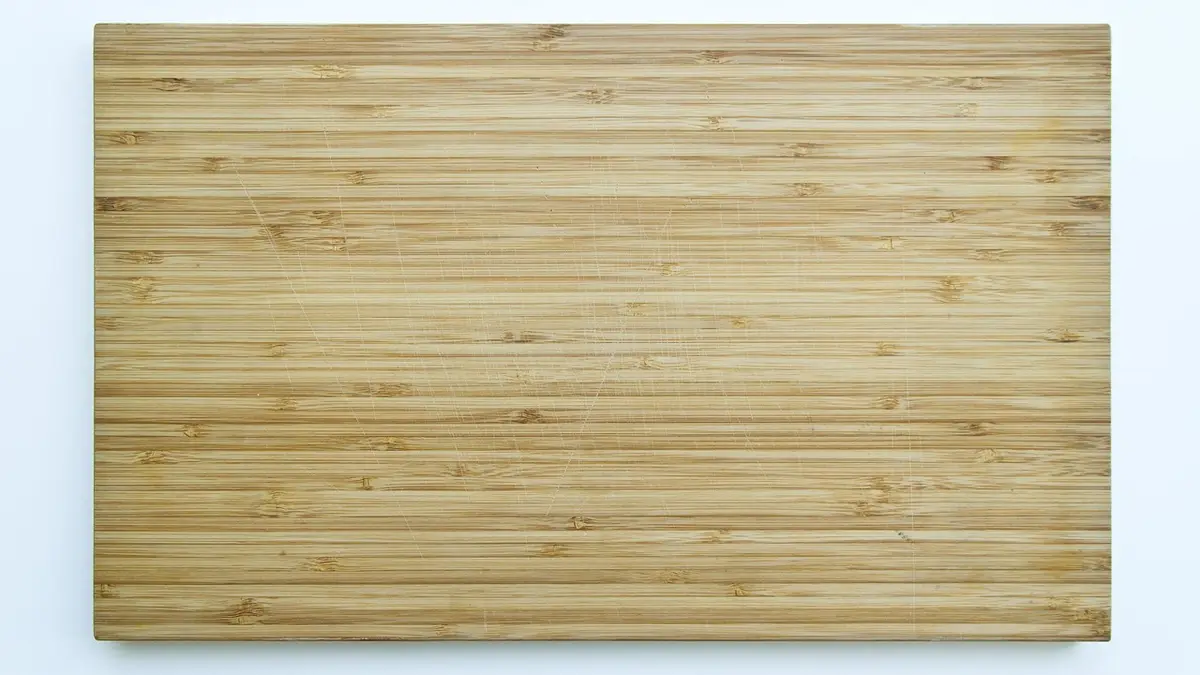
Read from the UK Trade Tariff on 25 September 2026, bamboo bread and chopping boards, chopsticks and other bamboo tableware, tropical wood and other wood tableware and kitchenware carried 0% duty on goods from China, with no anti-dumping measure. For steamers, see our bamboo steamer sourcing guide.
Plastic-bound bamboo fibre products are classified as plastics; confirm the commodity code from the material.
| Goods | Commodity code | Duty | Anti-dumping duty on China |
|---|---|---|---|
| Bamboo bread and chopping boards | 4419 11 00 00 | 0% | None |
| Bamboo chopsticks | 4419 12 00 00 | 0% | None |
| Other bamboo tableware and kitchenware | 4419 19 00 00 | 0% | None |
| Tableware of other tropical wood | 4419 20 90 00 | 0% | None |
| Other wooden tableware and kitchenware | 4419 90 00 00 | 0% | None |
Food contact
Wood and bamboo that touch food must not transfer substances in harmful amounts under the retained food contact framework. Oils, lacquers and glues are where problems arise, so ask for the finish and adhesive specifications and a migration test on samples; see food contact materials. For cork products, see our guide to cork sheets and stoppers. For pewter tableware, see our guide to pewter and tin articles.
Bamboo and melamine
Cups, plates and bowls made of bamboo fibre in melamine resin look like bamboo but are plastic. The Food Standards Agency asked retailers and businesses to stop selling these bamboo plastic composites and advises consumers not to use them for storing or serving food, because formaldehyde and melamine can leak into food, especially when hot or acidic. It says products made solely from bamboo are safe, so buy solid bamboo or wood instead.
Worked duty example
Illustrative example, not a quote: 5,000 bamboo chopping boards under 4419 11 00 00, invoiced at £9,000 free on board, with £1,200 of freight and insurance to the UK. The customs value is £10,200. Duty at 0% is £0. Import VAT at 20% is charged on the customs value plus duty, £10,200, so it is £2,040. With no duty, the only import tax is the VAT, which a VAT-registered importer can usually reclaim. The import duty and VAT guide explains each step.
Inspection checklist
Finish and food contact: the maker's declaration naming the oil, wax or lacquer and the adhesive, a migration test on finished items by an accredited laboratory covering formaldehyde where laminated bamboo is glued with urea or melamine resins and heavy metals where a coloured lacquer is used, a wipe test for colour transfer, and an odour check after soaking in warm water.
Construction: sampled boards put through agreed soak-and-dry cycles and then checked for opening glue lines, flatness of boards checked on a flat surface, spoon and spatula handles flexed by hand, surfaces and edges checked for splinters by running a cloth over them, and any dishwasher-safe claim tested before it is printed.
Labelling and packing: the glass-and-fork symbol or the words 'for food contact' where the use is not obvious, under Article 15 of Regulation 1935/2004, care instructions such as hand wash and re-oil, moisture readings recorded for each lot, any wooden crates marked to ISPM 15, and cartons sampled to ISO 2859-1 for mould spots and insect holes.
Working out your own order? Send us the product on WhatsApp and we reply the same working day: WhatsApp us
What goes wrong
Bamboo and wood kitchenware fails on splits, mould and finish. Boards laminated from strips with too little glue or wet timber delaminate and split after a few washes, and boards shipped above the agreed moisture content grow mould in the container. Mineral oil or lacquer finishes that are not food grade, or that are applied too thickly, leave a sticky surface, and handles on spoons and spatulas crack where the grain runs across them.
Specify moisture content and measure it with a meter on a sample of each lot, soak and dry sample boards to check glue lines, ask for the finish and adhesive specifications with a migration test, and at inspection check for mould spots, cracks, splinters, grain direction on handles and desiccant in each carton.
Moisture and inspection
Mould in transit is the common failure. Specify moisture content, food-safe mould treatment and desiccant, and at inspection check for cracks, splinters and mould.
Cambridge China Bridge sources wooden and bamboo kitchenware, with finishes, food contact and moisture control settled before the order. See how our sourcing service works.
Frequently asked questions
What is the UK import duty on bamboo chopping boards from China?
Read from the UK Trade Tariff on 25 September 2026, bamboo and wooden tableware and kitchenware of heading 4419 carried 0% duty from China.
Can I sell bamboo-melamine cups?
No. The Food Standards Agency asked retailers to stop selling bamboo plastic composites and advises against using them for food; solid bamboo is fine.
Do wooden utensils need food contact testing?
Yes, especially their oils, lacquers and glues; ask for migration tests.
How do I stop mould in transit?
Control moisture content, use desiccants and a food-safe treatment, and inspect before shipment.
Sources
What most often fails: Kitchen and cooking accessories
UK OPSS + EU / EEA Safety Gate (alerts counted separately in each system) · China-origin alerts over the 24 calendar month coverage window(2024-12 – 2026-11) · 59
Combined counts are alerts from both systems, not unique products across markets. Each source uses its own publication window; the same product may appear in both. · OPSS: 2024-12 – 2026-11 · Safety Gate: 2024-12 – 2026-11
- Fire: 18
- Burns: 17
- Chemical: 15
Most-cited regulations
- Low Voltage Directive: 18
- General Product Safety Regulations 2005: 12
- General Product Safety Regulation: 11
Checks to ask the factory for
- Ask for product-specific flammability or overheating test evidence from a competent laboratory.
- Confirm the specified battery, charger and thermal protection components where applicable.
- Ask how component substitutions and production heat-test results are recorded.
Questions for due diligence, not a certification checklist or a guarantee of compliance. Select the applicable standards and tests with a competent laboratory.
The current calendar month is partial. These are published alerts, safety reports and recalls, not a measure of all products sold or a recall rate. Hong Kong is reported separately.
All recall dataContains public sector information licensed under the Open Government Licence v3.0 (OPSS, GOV.UK product safety alerts)
Source: European Commission, Safety Gate, English XML (en), extracted 2026-11-09. XML distribution: CC0. Cambridge China Bridge analysis.