Sourcing self-healing cutting mats from China
Self-healing cutting mats entered under heading 3926 carry 6% UK duty from China; the relevant rate is 6%, rather than a range. Consumer mats sold in Great Britain must be safe in normal or reasonably foreseeable use. Specify cut recovery and check the actual plastic formulation. Cambridge China Bridge sources self-healing cutting mats.
UK duty on self-healing cutting mats
Read from the UK Trade Tariff on 30 September 2026, heading 3926 covers other articles of plastics. The residual line 3926 90 97 90 carries 6% duty on goods from China. The table repeats this candidate line for different cutting-mat formats; it does not represent separate tariff classifications. Confirm the construction and intended use before adopting the code.
The supplied tariff record shows no anti-dumping or countervailing measure on this line. Its suspensions cover named products, rather than a general exemption for cutting mats. It also attaches veterinary control, an import prohibition on goods for torture and repression, and an export restriction on such goods. Requirements for an ordinary plastic cutting mat were not established from the official guidance reviewed; ask your customs broker to confirm their application.
Send the material composition, layer construction, photographs and intended use to your broker. Follow the commodity code guide; ask HMRC or your customs broker about obtaining a binding classification decision. For the wider heading, see plastic craft storage organisers.
| Goods | Commodity code | Duty | Anti-dumping or countervailing duty on China |
|---|---|---|---|
| Other plastic articles: plain self-healing cutting mats, subject to classification | 3926 90 97 90 | 6% | None |
Specify the cutting surface and printed grid
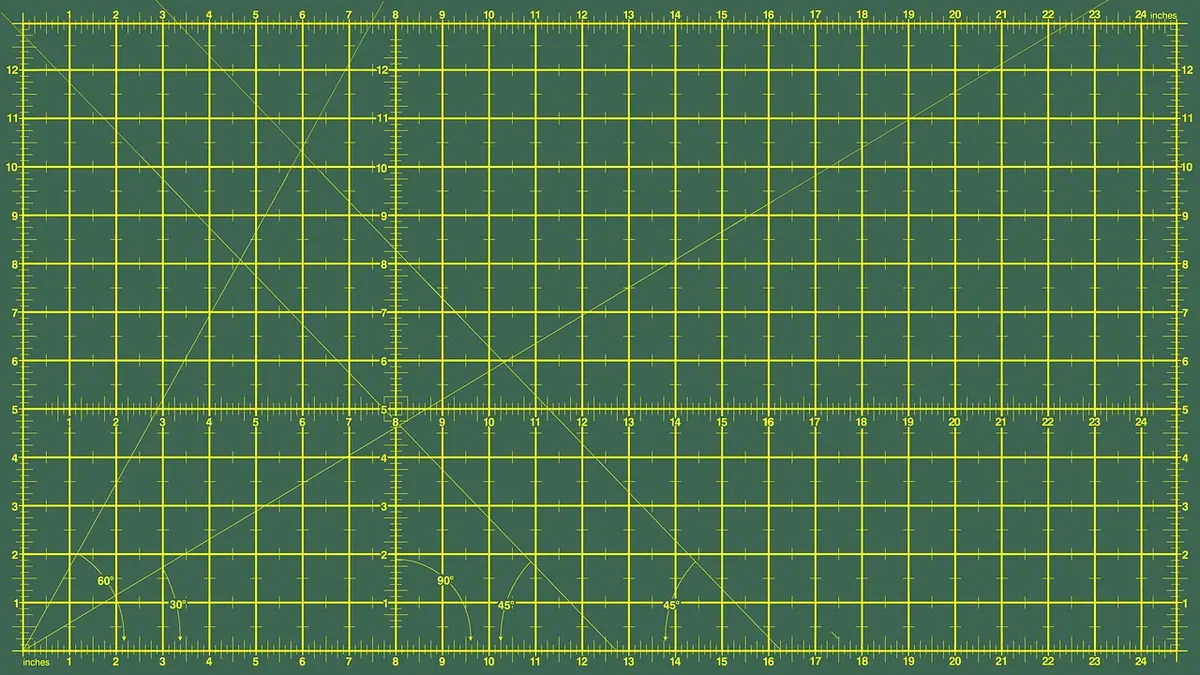
Specify the plastic formulation, layer construction, overall dimensions, thickness, usable cutting area and whether the faces are reversible. Approve grid artwork, measurement units, line spacing and print alignment against a physical ruler. State the intended blades and materials to be cut.
Agree a practical cut-recovery test using the intended blade, repeated passes and an agreed recovery period. Compare groove closure, blade snagging and surface shedding against a retained sample. Set acceptance criteria for flatness, odour and print rub resistance, and specify flat packing with support against bending.
Consumer cutting mats supplied in Great Britain must be safe in normal or reasonably foreseeable use. Ask for UK REACH information covering the plastic, colourants and additives. Confirm with HSE or a qualified chemical compliance adviser whether any candidate-list substances in the mat create safe-use information duties and what information must be supplied.
Worked duty example
Illustrative example, not a quote: Illustrative order only: 3,000 self-healing cutting mats under 3926 90 97 90, invoiced at £6,000 free on board, with £400 of freight and insurance to the UK. The customs value is £6,400. Duty at 6% is £384. Import VAT at 20% is charged on the customs value plus duty, £6,784, so it is £1,356.80. Import taxes total £1,740.80; a VAT-registered importer can usually reclaim the VAT, so the lasting cost is the £384 of duty. The import duty and VAT guide explains each step.
Inspection checklist
Surface: repeat the agreed cutting test on bulk samples; check persistent grooves, snagging, loose particles and separation between layers.
Grid: compare printed measurements with a physical ruler, check alignment on each face and rub the markings against the approved sample.
Shape: measure dimensions and thickness, lay mats on a flat bench and check curled corners, bowed edges and damaged surfaces after unpacking.
Packing: check flat supports, protection between printed faces, product identification and correspondence between batch records and material reports. Use the quality inspection guide to agree the inspection stage.
Working out your own order? Send us the product on WhatsApp and we reply the same working day: WhatsApp us
What goes wrong
A mat can look like the sample but retain deep grooves or catch the blade during repeated cutting. A changed formulation, poorly bonded layers or a surface that sheds particles can undermine the agreed performance. Printed rulers can also disagree with actual measurements.
Bent cartons and unsupported packing can leave mats bowed or curled. Inspect unpacked samples for both cutting performance and flatness before accepting the shipment. Treat self-healing as a claim to demonstrate with the agreed test, rather than accepting the wording on the supplier's listing.
Cambridge China Bridge sources these products for UK businesses, checking the factory and the documents before shipment. See factory verification. For repeat volumes, see container programmes.
Frequently asked questions
What is the UK import duty on self-healing cutting mats from China?
The supplied tariff record gives 6% for 3926 90 97 90, with no anti-dumping or countervailing measure recorded. Confirm that your mat belongs in this line.
How do I check whether a cutting mat is genuinely self-healing?
Use the intended blade and agree repeated cutting and recovery checks. Compare groove closure, snagging and surface shedding with a retained sample.
What chemical information should I ask the factory for?
Request the plastic formulation and UK REACH information for the layers, colourants and additives. Match supporting reports to the actual material and colour being supplied.
How should cutting mats be packed for shipping?
Specify flat packing with support against bending and protection between printed faces. Unpack samples and check whether corners and edges lie flat.