Sourcing silicone resin moulds from China
Silicone resin casting moulds entered under the residual plastics line pay 6% UK duty from China; the heading's base rates range from 0% to 6%. Demonstrate product safety before selling consumer moulds, and confirm classification before ordering. Cambridge China Bridge sources silicone resin casting moulds.
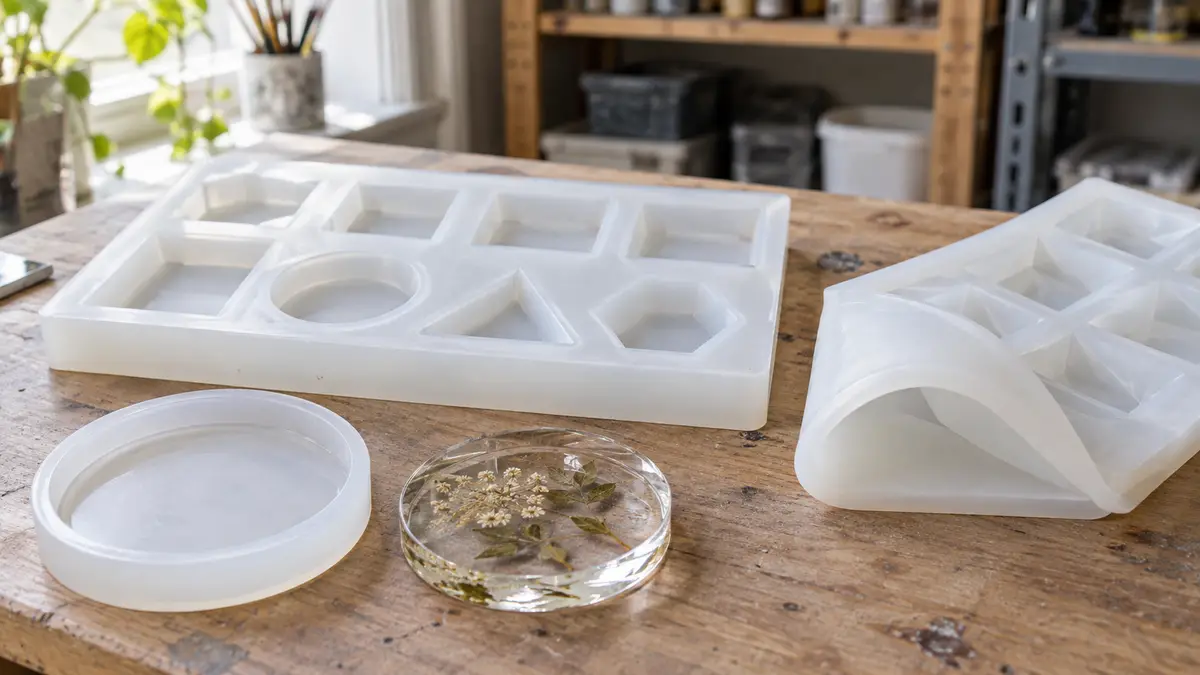
Duty on silicone resin casting moulds
Read from the UK Trade Tariff on 8 October 2026, heading 3926 covers other articles of plastics and articles of other materials of the headings named in its description. For this guide, the proposed residual code is 3926 90 97 90, carrying 6% duty from China. The table shows mould variants against that same provisional code, rather than separate tariff lines.
The supplied tariff record shows no anti-dumping or countervailing measure on this line. It lists restricted suspensions, including authorised-use relief; do not assume a resin casting mould qualifies. It also attaches veterinary control, an import prohibition on goods for torture and repression, and an export restriction on such goods. The applicability to these moulds has not been established: ask your customs broker to confirm each flag and any documentary requirement for goods from China.
Send the material specification, photographs and intended use to your broker and confirm the commodity code. For classification certainty, ask your broker or HMRC which formal ruling process is appropriate. See craft storage organisers for the wider heading and import duty and VAT for costing. For another craft product, see our self-healing cutting mat sourcing guide.
| Goods | Commodity code | Duty | Anti-dumping or countervailing duty on China |
|---|---|---|---|
| Silicone resin casting moulds for coasters, subject to classification | 3926 90 97 90 | 6% | None |
Specify the silicone and casting process
Specify silicone grade, cure system, hardness, colour, cavity dimensions, wall thickness and surface finish. Identify the casting resin, its curing conditions and your demoulding method. Approve a sample using your actual resin, checking cured dimensions, surface clarity and release. Agree acceptable defects and retain a mould and casting as references.
For consumer moulds, demonstrate compliance with product safety regulations before sale. Request material and additive declarations, and confirm with the relevant authority whether UK REACH candidate-list substances in the article trigger safe-use information requirements, including disclosure of the substance name. Describe the intended use as resin casting; if you also intend food contact, arrange food-contact compliance separately.
Worked duty example
Illustrative example, not a quote: Illustrative order: 3,000 silicone resin casting moulds under 3926 90 97 90, invoiced at £6,000 free on board, with £400 of freight and insurance to the UK. The customs value is £6,400. Duty at 6% is £384. Import VAT at 20% is charged on the customs value plus duty, £6,784, so it is £1,356.80. Import taxes total £1,740.80; a VAT-registered importer can usually reclaim the VAT, so the lasting cost is the £384 of duty. The import duty and VAT guide explains each step.
Inspection checklist
Cavities: compare shape, depth, lettering and surface finish with the approved sample; look for trapped bubbles, pits and damaged edges.
Release: cast with the agreed resin and check sticking, tearing at undercuts, distortion and marks transferred to the finished piece.
Material: compare flexibility and recovery with the retained sample; investigate tackiness, oily residue, unusual odour or colour changes.
Packing: check mould identities, cavity quantities and protection against crushing or creasing. Use the inspection guide to plan checks before shipment and on arrival.
Working out your own order? Send us the product on WhatsApp and we reply the same working day: WhatsApp us
What goes wrong
Thin cavity walls can bow during filling, leaving uneven castings. Rough masters transfer defects to every piece; deep undercuts can tear during release. A mould that works with the supplier's resin may stick or deteriorate with yours. Test compatibility and repeated release before approving bulk production.
A photograph cannot establish hardness, wall thickness or release performance. Hold production to the agreed material and retained sample, and record any change in formulation or tooling before accepting replacement samples.
Cambridge China Bridge sources these products for UK businesses, checking the factory and the documents before shipment. See factory verification. For repeat volumes, see container programmes.
Frequently asked questions
What is the UK import duty on silicone resin casting moulds from China?
Under proposed code 3926 90 97 90, the supplied tariff record gives 6% duty from China, with no anti-dumping or countervailing measure. Confirm classification for your mould.
How do I check that a mould works with my resin?
Use your actual resin and curing process on an approved sample. Check release, surface finish, dimensions and deterioration after repeated casting.
Can I use resin casting moulds for food?
Do not infer food suitability from a resin casting description. Food-contact articles need food-contact compliance; agree the intended use and supporting evidence separately.
What should I ask the factory about the silicone?
Ask for the silicone grade, cure system, hardness, additives and material declarations. Fix cavity dimensions and wall thickness, and retain an approved mould and casting.