Sourcing glass storage jars from China
Glass storage jars classified as kitchen glassware under heading 7013 carry 10% UK duty from China across the selected lines. Food-contact controls apply to materials intended to contact food. Specify the jar, lid and seal together, and check evidence for the intended use. Cambridge China Bridge sources glass storage jars.
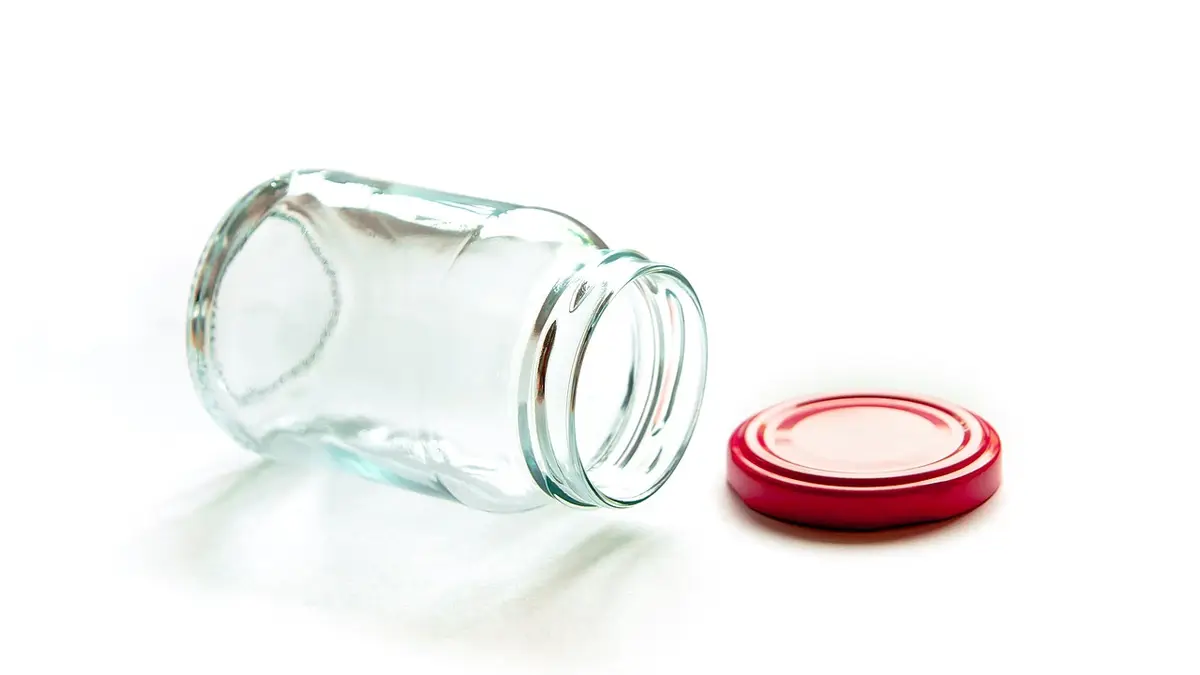
UK duty on glass storage jars
Read from the UK Trade Tariff on 29 September 2026, the selected kitchen-glassware lines under heading 7013 carried 10% ordinary duty on goods from China, with no anti-dumping or countervailing duty and no suspension recorded. The heading excludes containers for conveying or packing goods under heading 7010. Confirm the intended use before applying a storage-jar code. For cosmetic packaging, see our glass cosmetic jars guide.
The tariff attaches an import control on cat and dog fur: imports of that fur and products made from it are banned, including from China. Specify no such fur in accessories or decoration. It also lists an export control on that fur and a cultural-goods export licence measure; ask your customs broker to confirm their relevance to the transaction.
Confirm the commodity code using the intended use, glass composition and manufacturing method. The low-expansion line needs technical evidence matching its tariff definition. Our drinking glasses guide covers another product family within the wider heading. For trade in the opposite direction, see our guide to exporting UK glassware to China. For decorative glassware, see our guide to sourcing glass flower vases.
| Goods | Commodity code | Duty | Anti-dumping or countervailing duty on China |
|---|---|---|---|
| Kitchen storage jars of glass meeting the low-expansion definition | 7013 42 00 00 | 10% | None |
| Kitchen storage jars of toughened glass | 7013 49 10 00 | 10% | None |
| Other kitchen glass storage jars, gathered by hand | 7013 49 91 00 | 10% | None |
| Other kitchen glass storage jars, gathered mechanically | 7013 49 99 00 | 10% | None |
Specify the jar, lid and food-contact use
Write down brim capacity, usable fill level, mouth diameter, height, wall thickness, glass colour and manufacturing method. Specify the lid material, seal material, closure design and replacement-part fit. Agree whether the jar is intended for dry ingredients, oily foods or acidic foods, and whether hot filling or dishwasher cleaning is claimed.
Food-contact controls cover materials and articles expected to contact food or transfer constituents to it, including printing inks and adhesive labels. Ask for supporting evidence for the actual jar, lid, seal and decoration under the intended conditions. If you package food yourself, you must use packaging suitable for food use.
Keep an approved assembled sample and agree the packing: individual protection, dividers, lid protection and carton handling. Ask a laboratory to review the proposed evidence through testing and certification.
Worked duty example
Illustrative example, not a quote: 500 glass storage jars with lids, illustrative order under 7013 49 99 00, invoiced at £2,400 free on board, with £500 of freight and insurance to the UK. The customs value is £2,900. Duty at 10% is £290. Import VAT at 20% is charged on the customs value plus duty, £3,190, so it is £638. Import taxes total £928; a VAT-registered importer can usually reclaim the VAT, so the lasting cost is the £290 of duty. The import duty and VAT guide explains each step.
Inspection checklist
Glass: check capacity and dimensions against the approved sample; inspect the rim, base and walls for chips, cracks, sharp edges and trapped debris.
Closure: fit lids across sampled jars from different cartons; check seal seating, latch operation and any agreed leakage test.
Evidence: match reports to the supplied glass, lid, seal and decoration; check that intended foods and conditions match the order.
Packing: open arrival cartons and check dividers, broken glass, loose lids and damaged decoration; photograph defects before sorting stock.
Working out your own order? Send us the product on WhatsApp and we reply the same working day: WhatsApp us
What goes wrong
A lid can fit the sample but bind or sit loose on production jars when the mouth dimensions change. Seals can twist, retain odours or fail the agreed leakage test. Do not accept an airtight claim from appearance alone; agree how the assembled closure will be checked.
Poor separation lets jars strike each other in transit, leaving chipped rims or broken bases. A report for bare glass may also leave the supplied lid, seal or decoration unassessed. Resolve material substitutions and missing evidence before shipment, and keep damaged arrival stock apart from saleable jars.
Cambridge China Bridge sources these products for UK businesses, checking the factory and the documents before shipment. See factory verification. For own-brand ranges, see sourcing for brands.
Frequently asked questions
What is the UK import duty on glass storage jars from China?
The selected kitchen-glassware lines under heading 7013 carry 10% ordinary duty from China, with no anti-dumping or countervailing duty or suspension recorded on the read date.
Are all glass jars classified under heading 7013?
No. Confirm the jar’s intended use before choosing its commodity code.
What food-contact evidence should I ask the factory for?
Ask for evidence matching the supplied jar, lid, seal and decoration, with the intended foods, contact conditions and cleaning claims identified. Have a laboratory review any gaps.
How do I check that the lids seal properly?
Agree a closure and leakage test before ordering. Fit lids across jars from different cartons, check seal seating and latch operation, and compare results with the approved assembled sample.