Sourcing non-electric pellet stoves from China
Non-electric wood pellet stoves of iron or steel from China carry 2% UK duty, with no anti-dumping or countervailing duty in the supplied tariff record. Room heaters still face ecodesign and energy-labelling requirements: operating without electricity does not remove these checks. Cambridge China Bridge sources non-electric wood pellet stoves.
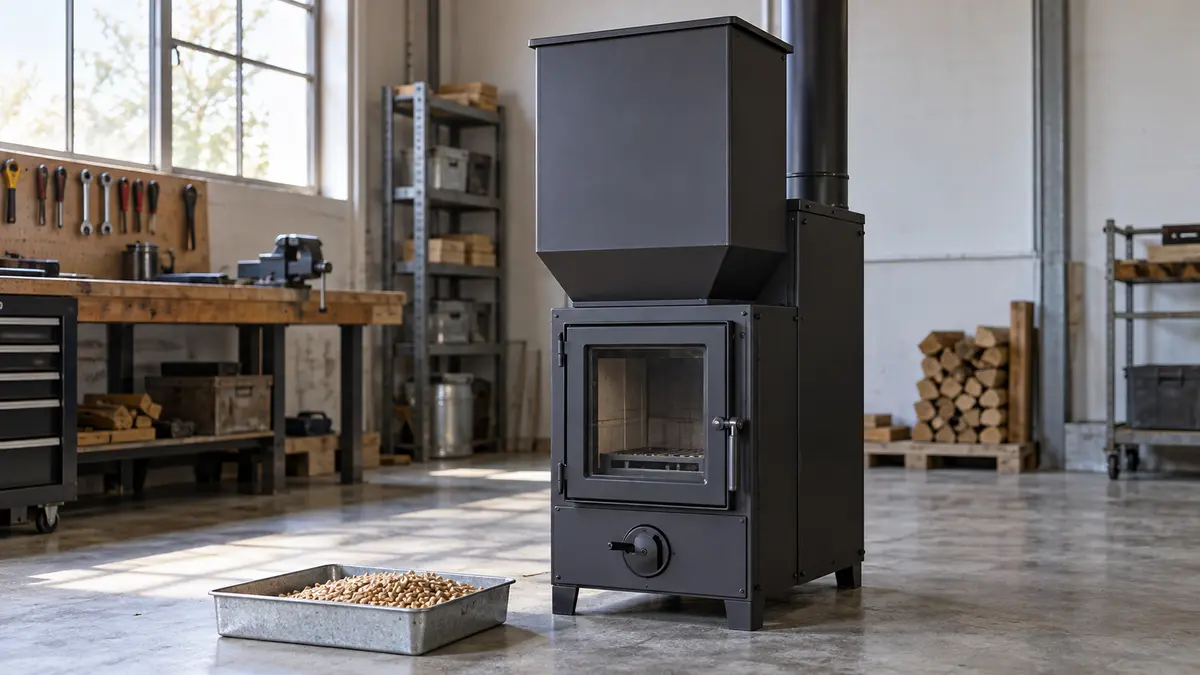
UK duty on non-electric wood pellet stoves
Heading 7321 covers non-electric domestic appliances of iron or steel and their parts. Wood pellet room heaters fall within the solid-fuel heating line; domestic cooking stoves use the solid-fuel cooking line. Freestanding and inset room heaters share a code in the table. For the wider product family, see wood-burning stoves.
Read from the UK Trade Tariff on 29 September 2026, the listed lines carry 2% duty for goods from China. The supplied record lists no anti-dumping or countervailing duty, suspensions or attached import controls for these lines. Import VAT is normally 20%; see UK import duty and VAT.
Confirm whether the model is principally a room heater or a cooking appliance, and whether the shipment contains complete stoves or separately supplied parts. Give your customs broker the construction material, operating description and product drawings; see finding your commodity code.
| Goods | Commodity code | Duty | Anti-dumping or countervailing duty on China |
|---|---|---|---|
| Freestanding non-electric wood pellet room stoves of iron or steel | 7321 89 00 00 | 2% | None |
| Non-electric domestic wood pellet cooking stoves of iron or steel | 7321 19 00 00 | 2% | None |
| Parts of non-electric iron or steel wood pellet stoves | 7321 90 00 00 | 2% | None |
Specify the pellet feed and the compliance file
Specify gravity or manual pellet feed, hopper construction, fuel specification, heat output, flue connection, combustion-air path, door seals and ash access. Ask the factory to demonstrate lighting, steady burning and shutdown without mains power or batteries. Record the tested pellet specification and chimney draught conditions so a demonstration can be repeated.
Solid-fuel room heaters are covered by ecodesign and energy-labelling rules. The importer first placing a regulated product on the market is responsible for compliance. Request the model's declaration of conformity and supporting technical documentation, including efficiency and emissions evidence, through testing and certification.
Suppliers must produce energy labels and product fiches with supporting technical documentation, and retailers must display the energy label, including for online sales. Before claiming suitability for smoke control areas, check the exact appliance and fuel: unauthorised fuels can only be burned in exempt appliances. Check any applicable building control requirements with the local authority before fitting the flue.
Worked duty example
Illustrative example, not a quote: 20 non-electric wood pellet room stoves, illustrative order under 7321 89 00 00, invoiced at £40,000 free on board, with £8,000 of freight and insurance to the UK. The customs value is £48,000. Duty at 2% is £960. Import VAT at 20% is charged on the customs value plus duty, £48,960, so it is £9,792. Import taxes total £10,752; a VAT-registered importer can usually reclaim the VAT, so the lasting cost is the £960 of duty. The import duty and VAT guide explains each step.
Inspection checklist
Feed system: check pellet flow using the agreed fuel, look for bridging in the hopper, and observe whether feed remains controllable as the stove heats.
Combustion: have a competent tester check lighting, steady burning, shutdown and heat migration towards the hopper against the agreed test procedure.
Body and seals: inspect welds, door alignment, glass, gaskets, ash drawer and flue spigot; repeat fit checks after the sample cools.
Arrival and documents: check for cracked glass, displaced liners, bent legs and damaged seals; match model identifiers on the stove, packaging and compliance file. Use quality inspection before shipment as well.
Working out your own order? Send us the product on WhatsApp and we reply the same working day: WhatsApp us
What goes wrong
A stove demonstrated with selected pellets may feed poorly with the buyer's fuel. Hopper bridging, warped doors, leaking gaskets and difficult ash removal are practical failure points to test before approving production. A short flame demonstration does not establish repeatable operation.
Documentation can describe a different combustion chamber, feed mechanism or model. Match the supplied build to the tested configuration, and check any smoke-control claim separately against the appliance and fuel. At arrival, photograph damage before moving the stove and compare the contents with the approved packing list.
Cambridge China Bridge sources these products for UK businesses, checking the factory and the documents before shipment. See factory verification. For repeat volumes, see container programmes.
Frequently asked questions
What is the UK import duty on non-electric pellet stoves from China?
The supplied tariff record shows 2% duty on the relevant iron or steel room stoves, cooking stoves and parts, with no anti-dumping or countervailing duty.
Does a pellet stove without electricity need ecodesign evidence?
Yes, a solid-fuel room heater is covered. Request the exact model's declaration of conformity and technical documentation, including efficiency and emissions evidence.
Can I advertise a pellet stove for smoke control areas?
Check the exact appliance and fuel first. Unauthorised fuels can only be burned in exempt appliances, and users must follow the manufacturer's specified fuel types.
What should I test on a gravity-fed pellet stove?
Test pellet flow with the agreed fuel, hopper bridging, combustion stability, shutdown, heat migration towards the hopper, door sealing and ash removal.