Sourcing stovetop kettles from China
Stainless steel stovetop kettles from China carry 0% UK duty under 7323 93 00 90, with no trade remedy recorded. Food contact compliance matters, and consumer kettles sold in Great Britain must be safe in normal or reasonably foreseeable use. Cambridge China Bridge sources stainless steel stovetop kettles.
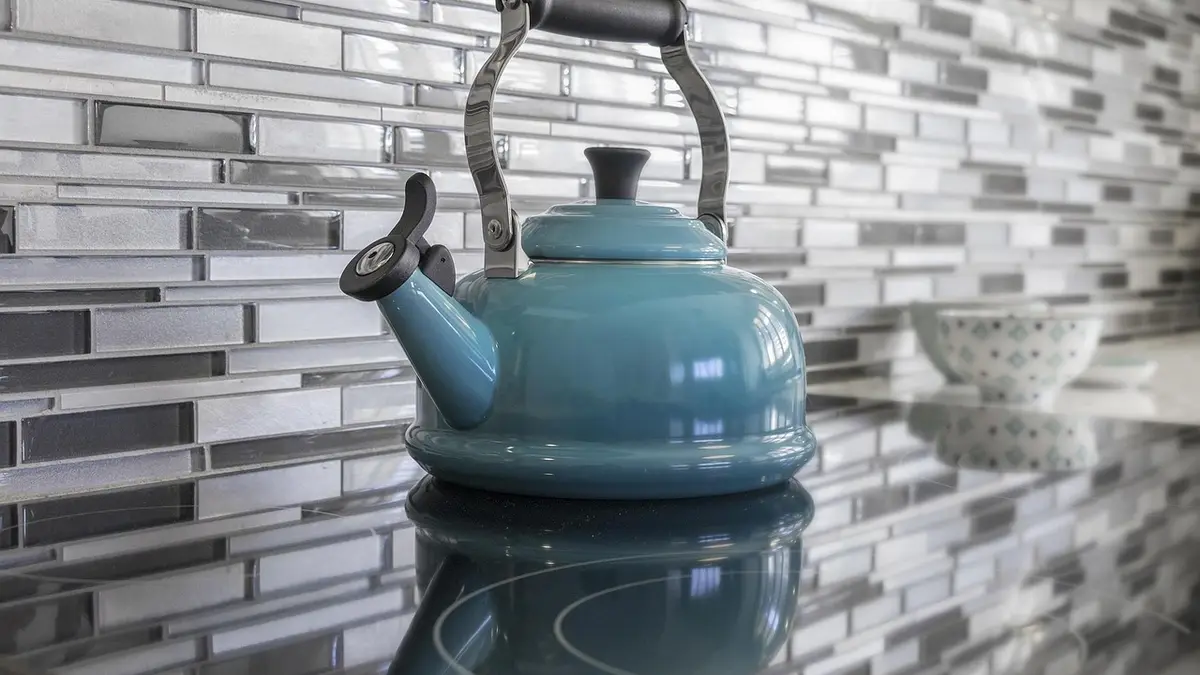
Duty on stainless steel stovetop kettles
Read from the UK Trade Tariff on 30 September 2026, heading 7323 covers household and kitchen articles of iron or steel. Stainless steel stovetop kettles fall within the stainless steel ‘Other’ line, 7323 93 00 90, subject to confirmation of the finished product. The table shows kettle variants sharing that line.
The supplied tariff record shows 0% duty for goods from China, with no anti-dumping or countervailing duty and no suspension recorded for this line. It attaches import and export waste controls. Waste shipment controls apply only where the material is waste. If buying scrap, damaged stock or goods intended for recovery, ask your customs broker to confirm the applicable requirements before shipment.
Confirm the body material, base construction and heating method using the commodity code guide. For kettles with their own electrical heating element, see electric kettles.
| Goods | Commodity code | Duty | Anti-dumping or countervailing duty on China |
|---|---|---|---|
| Stainless steel whistling stovetop kettles | 7323 93 00 90 | 0% | None |
Specify the body, base and hot-water handling
Specify the stainless steel grade for the body and water-contact parts, wall thickness, usable capacity, lid fit, spout shape and finish. Describe the base layers and the hobs the kettle is intended for. Approve a sample on each claimed hob type, including induction where claimed, rather than accepting compatibility from appearance alone.
Treat the kettle as food contact kitchenware and obtain documentation supporting that use, as explained in the food contact materials guide. Ask for material identification and test reports covering the finished kettle, including internal coatings or seals. Consumer products sold in Great Britain must be safe in normal or reasonably foreseeable use. Agree checks for hot handles, steam exposure and secure pouring.
Worked duty example
Illustrative example, not a quote: Illustrative order: 3,000 stainless steel stovetop kettles under 7323 93 00 90, invoiced at £30,000 free on board, with £5,000 of freight and insurance to the UK. The customs value is £35,000. Duty at 0% is £0. Import VAT at 20% is charged on the customs value plus duty, £35,000, so it is £7,000. With no duty, the only import tax is the VAT, which a VAT-registered importer can usually reclaim. The import duty and VAT guide explains each step.
Inspection checklist
Body and seams: compare material records and dimensions with the approved sample; inspect internal welds, sharp edges, polishing residue, dents and leaks.
Base and hob use: check flatness, rocking and base attachment; boil and cool samples on the claimed hob types, then inspect for distortion or separation.
Handle, lid and whistle: check attachment security when filled, lid retention during pouring, steam direction and whistle operation. Assess handle heating under the agreed use conditions.
Packing and instructions: check protection against dents and scratches, matching model identification and clear filling, heating and pouring instructions. Record defects through the inspection process.
Working out your own order? Send us the product on WhatsApp and we reply the same working day: WhatsApp us
What goes wrong
A base may work on gas but fail to heat on induction, or distort after repeated boiling. Loose handles, leaking seams and lids that move during pouring can make an otherwise acceptable sample unsuitable. A whistle can stick or direct steam towards the user's hand.
Agree the material and construction before production, retain the approved sample and repeat functional checks on production stock. Investigate rust spots, residue or unusual odour before accepting the batch. A report for a different kettle or material does not establish the performance of the supplied model.
Cambridge China Bridge sources these products for UK businesses, checking the factory and the documents before shipment. See factory verification. For repeat volumes, see container programmes.
Frequently asked questions
What is the UK import duty on stainless steel stovetop kettles from China?
The supplied tariff record shows 0% under 7323 93 00 90, with no anti-dumping or countervailing duty recorded for that line. Confirm the finished kettle's classification.
What food contact documents should I ask the factory for?
Ask for material identification and food contact documentation covering the finished kettle, including water-contact coatings and seals. Match reports to the supplied model and intended hot-water use.
How do I check whether a stovetop kettle works on induction?
Specify induction compatibility in writing and boil production samples on an induction hob. Check heating, base stability and condition after cooling.
What should I check when the kettles arrive?
Check dents, leaks, internal finish, base flatness, handle attachment, lid fit and whistle operation. Compare stock with the approved sample and repeat the agreed boiling and pouring checks.