Sourcing aluminium pressure cookers from China
Aluminium stove-top pressure cookers from China carry 6% UK duty across the relevant cast and other aluminium kitchenware lines. Pressure equipment conformity and food contact suitability are the main checks before selling in Great Britain. Cambridge China Bridge sources aluminium pressure cookers.
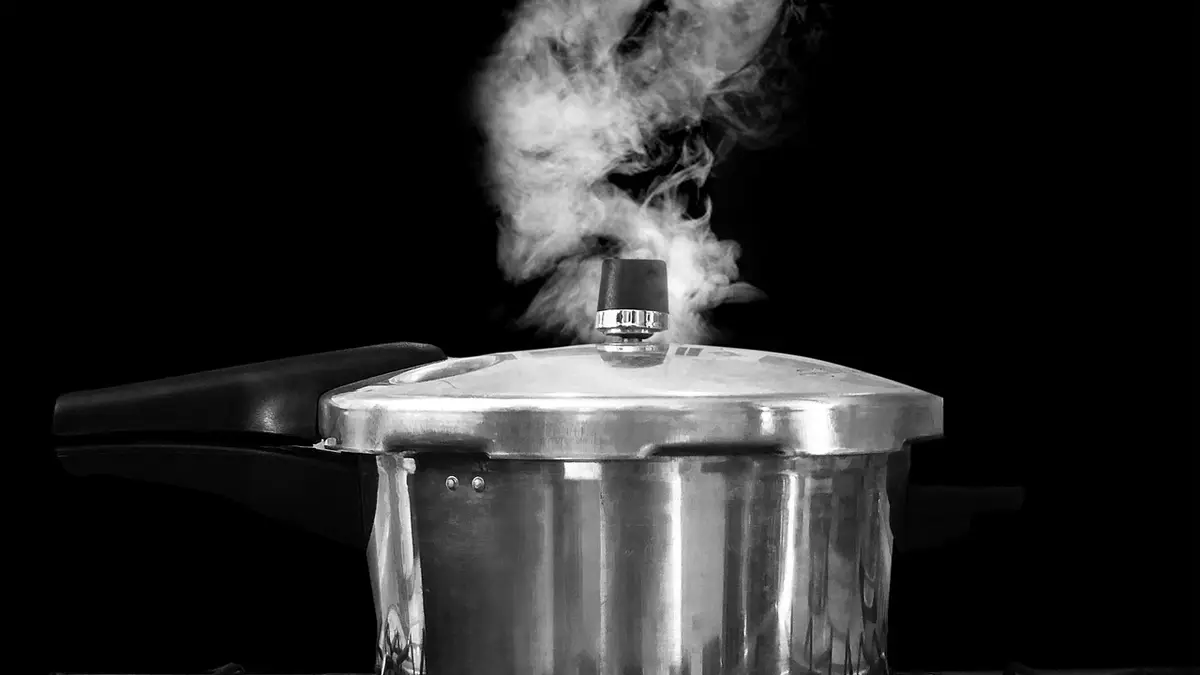
Duty on aluminium pressure cookers
Heading 7615 covers aluminium kitchen and household articles and their parts. This guide concerns stove-top pressure cookers and aluminium bodies and lids. Cast articles fall within 7615 10 10 90; other aluminium kitchen articles fall within 7615 10 80 90, subject to confirmation for the actual goods. The table separates product forms sharing those codes.
Read from the UK Trade Tariff on 30 September 2026, both relevant lines carried 6% duty for goods from China. The supplied tariff record lists no anti-dumping or countervailing duty, suspension or attached import control for these lines.
Confirm the construction, material and whether the shipment contains complete cookers or separate parts before choosing your commodity code. This guide does not classify electric pressure cookers. See the wider aluminium cookware guide for other kitchen articles. For colanders in a wider kitchenware range, see sourcing aluminium colanders.
| Goods | Commodity code | Duty | Anti-dumping or countervailing duty on China |
|---|---|---|---|
| Cast aluminium stove-top pressure cookers | 7615 10 10 90 | 6% | None |
| Other aluminium stove-top pressure cookers | 7615 10 80 90 | 6% | None |
Specify the lid, pressure system and food-contact surfaces
Specify stove compatibility, usable capacity, aluminium alloy, wall and base thickness, lid locking mechanism, gasket material, pressure regulator and safety relief arrangement. Agree replacement gasket and valve specifications. Record the intended operating conditions and maximum allowable pressure, and match them to the exact model's technical evidence.
Pressure equipment rules cover equipment with maximum allowable pressure above 0.5 bar. For Great Britain, importers must check the required conformity assessment and provide their business identification and postal address on the equipment or, where this is not possible, its packaging or accompanying documentation. Ask a testing and certification provider to review the model's assessment route before production.
Confirm the applicable food-contact requirements with the relevant authority, including limits on constituents transferring from surfaces into food. Ask for finished-product migration evidence for the aluminium and any coating, and identify the gasket material in the test specification. Approve the instructions alongside the sample; pressure equipment supplied in Great Britain must have clear, legible and easily understandable English instructions.
Worked duty example
Illustrative example, not a quote: 2,000 aluminium stove-top pressure cookers; illustrative order, not a quotation under 7615 10 80 90, invoiced at £30,000 free on board, with £2,500 of freight and insurance to the UK. The customs value is £32,500. Duty at 6% is £1,950. Import VAT at 20% is charged on the customs value plus duty, £34,450, so it is £6,890. Import taxes total £8,840; a VAT-registered importer can usually reclaim the VAT, so the lasting cost is the £1,950 of duty. The import duty and VAT guide explains each step.
Inspection checklist
Lid and seal: check lid fit, locking movement, gasket seating and interchangeable replacement parts against the approved sample. Have competent test personnel verify the opening interlock under the agreed test procedure.
Pressure system: match the regulator and relief components to the approved specification. Review model-specific pressure and safety-function test results; a visual check cannot establish pressure safety.
Body and base: measure wall and base thickness, inspect the sealing rim for distortion and burrs, and check handles and fixings. For induction models, test heating and examine the bonded base.
Documents and packing: match model identification to the technical evidence and supplied instructions. Check food-contact reports, supplied spare parts and protection of the lid rim during transport at inspection.
Working out your own order? Send us the product on WhatsApp and we reply the same working day: WhatsApp us
What goes wrong
A cooker can look correct but have a mismatched gasket, poorly aligned lid or substituted regulator. These changes can undermine sealing and pressure control. Reject undocumented component substitutions and ask for updated model-specific evidence before accepting a changed design.
Transport damage can distort the sealing rim, while loose handles and detached induction plates affect use. Inspect arrival samples against the approved specification and record defects by batch. If an importer has reason to believe pressure equipment fails the essential safety requirements, it must not be placed on the Great Britain market.
Cambridge China Bridge sources these products for UK businesses, checking the factory and the documents before shipment. See factory verification. For repeat volumes, see container programmes.
Frequently asked questions
What is the UK import duty on aluminium pressure cookers from China?
The relevant cast and other aluminium kitchenware lines carry 6% duty. The supplied tariff record lists no anti-dumping or countervailing duty, suspension or attached import control.
What safety evidence should I request?
Ask for the exact model's conformity assessment evidence, technical documentation and pressure-system test results. Match the lid, gasket, regulator and relief components to the tested design.
Do aluminium pressure cookers need food-contact testing?
Confirm the applicable food-contact migration requirements with the relevant authority. Request finished-product migration evidence covering the aluminium and any coating, with gasket material identified.
What should I check when pressure cookers arrive?
Check sealing rims, lid alignment, gasket seating, valve components, handle fixings and instructions against the approved sample. Have pressure safety functions assessed through the agreed competent testing procedure.