Sourcing stainless steel colanders from China
Stainless steel colanders from China carry 0% UK duty under 7323 93 00 90, with no anti-dumping duty recorded in the supplied tariff snapshot. Food-contact materials must be safe for their intended use. Specify the steel, perforations and handle attachments before production. Cambridge China Bridge sources stainless steel colanders.
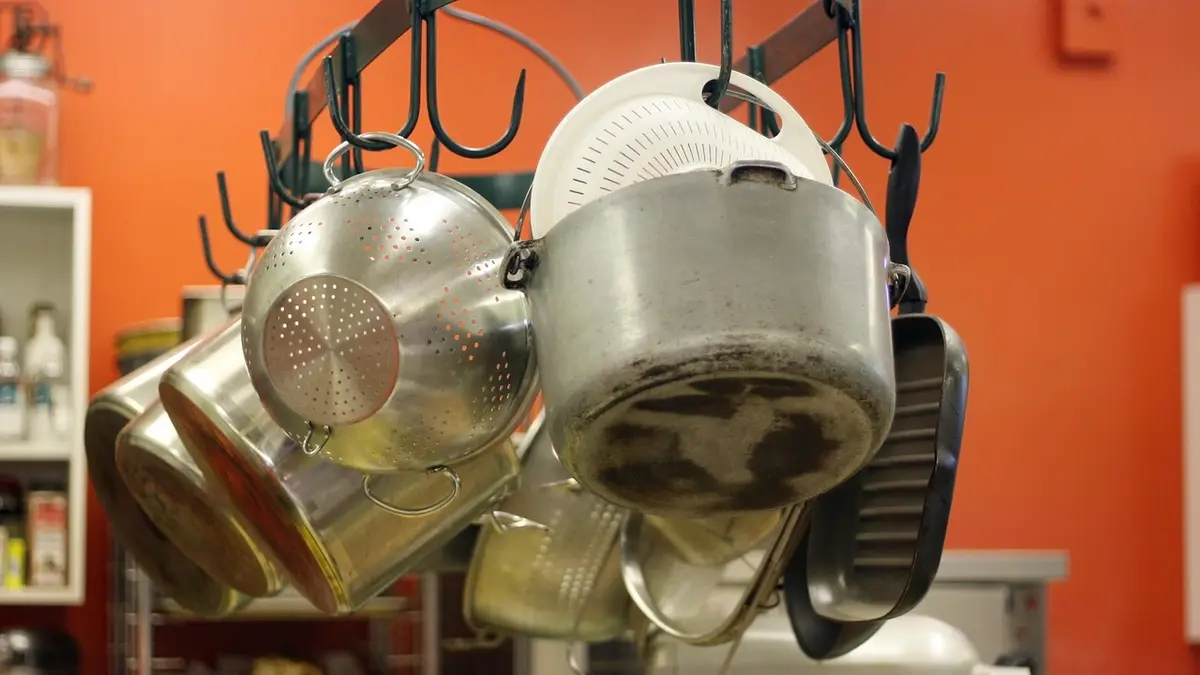
Colander classification and UK duty
Read from the UK Trade Tariff on 8 October 2026, heading 7323 covers iron or steel table, kitchen and household articles, alongside steel wool and scourers. Stainless steel colanders fall within the other stainless steel kitchenware line, 7323 93 00 90. The table shows different colander designs sharing that line.
The supplied China tariff data records 0% ordinary duty for this line, with no anti-dumping or countervailing duty, suspension or steel measure. It attaches import and export waste controls. Waste shipment controls apply only where the material is waste. For goods from China classed as waste, confirm the applicable notification, consent and documentation requirements with your customs broker before shipment.
Confirm the construction and use through finding your commodity code, especially for mixed-material designs. The stainless steel gastronorm tray guide covers related kitchenware within the wider heading.
| Goods | Commodity code | Duty | Anti-dumping or countervailing duty on China |
|---|---|---|---|
| Stainless steel perforated bowl colanders | 7323 93 00 90 | 0% | None |
Specify the steel, holes and handle joints
Specify the steel grade by its full designation, sheet thickness, bowl diameter and depth, hole size and spacing, rim profile, feet and handle attachment. For over-sink designs, agree the support span and contact pads against the intended sink. Keep an approved sample showing the finish and how nested units separate.
Food-contact materials must be demonstrably safe for their application. Ask for material identification and test evidence covering the finished colander and intended foods, temperatures and cleaning conditions. Agree the assessment with a testing and certification service. Consumer products sold in Great Britain must also be safe in normal or reasonably foreseeable use.
Worked duty example
Illustrative example, not a quote: Illustrative order of 3,000 stainless steel colanders under 7323 93 00 90, invoiced at £7,500 free on board, with £900 of freight and insurance to the UK. The customs value is £8,400. Duty at 0% is £0. Import VAT at 20% is charged on the customs value plus duty, £8,400, so it is £1,680. With no duty, the only import tax is the VAT, which a VAT-registered importer can usually reclaim. The import duty and VAT guide explains each step.
Inspection checklist
Edges and holes: inspect the inside and outside of punched holes, the rolled rim and handle ends for burrs, sharp points and trapped metal fragments.
Handles and feet: load the bowl against the agreed specification, check joints for movement and inspect welds or rivets; place footed units on a flat surface to check rocking.
Drainage and cleaning: run the agreed drainage trial, look for water trapped around the base or rim, and check that food residue can be removed from joints.
Material and packing: match material records and test samples to the production batch, check finish and dimensions, and inspect arriving cartons for dents and nesting scratches. Use the agreed sample during quality inspection.
Working out your own order? Send us the product on WhatsApp and we reply the same working day: WhatsApp us
What goes wrong
A polished sample can hide thin sheet that dents during nesting, rough punching on the inside, or handles that loosen when the bowl is full. A raised base can leave standing water if the lowest drainage holes sit too high. Check these features on production pieces rather than relying on photographs.
Rust staining around joints, polishing residue in rolled rims and scratches between nested bowls deserve investigation before release. Agree cleaning trials, joint checks and protective packing before production. If the factory changes the steel, coating or attachment method, obtain a new sample and review the supporting test evidence.
Cambridge China Bridge sources these products for UK businesses, checking the factory and the documents before shipment. See factory verification. For repeat volumes, see container programmes.
Frequently asked questions
What is the UK import duty on stainless steel colanders from China?
The supplied tariff snapshot records 0% under 7323 93 00 90, with no anti-dumping or countervailing duty on that line. Confirm the code for your design.
What food-contact evidence should I ask the factory for?
Ask for the steel identification and test evidence for the finished colander, matched to its intended foods, temperatures and cleaning conditions. A generic report for another kitchen utensil is a weak purchasing basis.
How do I check whether a colander drains properly?
Agree a trial using the intended food and water flow. Check for blocked holes, pooling around the base and food escaping through oversized perforations.
What should I inspect when the colanders arrive?
Check punched-hole burrs, rims, loose handles, rocking feet, dents and nesting scratches. Match the batch to the approved sample and material records before releasing stock.