Sourcing aluminium stockpots from China
Aluminium stockpots from China carry 6% UK duty across the relevant cast and other kitchenware lines. Confirm the applicable food-contact safety requirements for the aluminium and any coating with the relevant food safety authority, including requirements concerning transfer of constituents into food. Cambridge China Bridge sources aluminium stockpots.
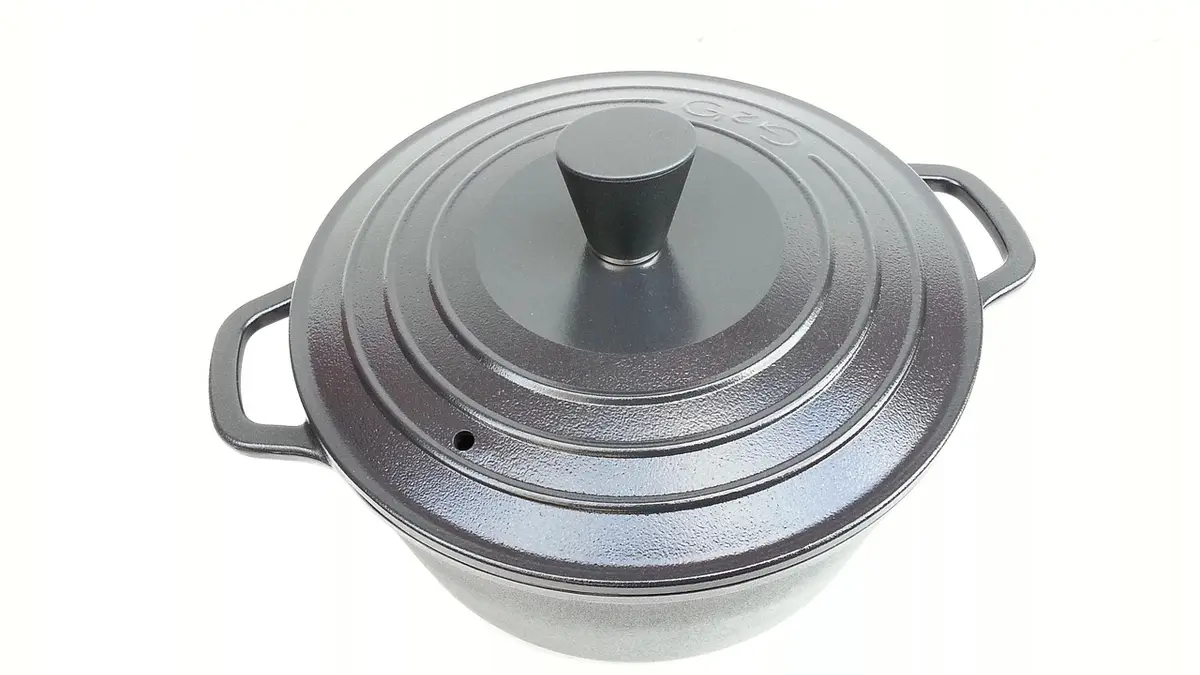
UK duty on aluminium stockpots
Heading 7615 covers aluminium table, kitchen and household articles, alongside scourers and sanitary ware. Stockpots belong within the kitchenware family. Cast stockpots may use 7615 10 10 90; pressed stockpots may use 7615 10 80 90. The table shows construction and finish variants, with some sharing a code. For a wider kitchenware range, see our aluminium pudding basin sourcing guide.
Read from the UK Trade Tariff on 30 September 2026, both relevant lines carry 6% duty for goods from China. The supplied data lists no anti-dumping or countervailing duty, suspensions or attached import controls on these lines. Food-contact safety still needs checking.
Confirm the commodity code using the actual material, manufacturing method and base construction before ordering. See aluminium cookware for the wider heading.
| Goods | Commodity code | Duty | Anti-dumping or countervailing duty on China |
|---|---|---|---|
| Uncoated cast aluminium stockpots | 7615 10 10 90 | 6% | None |
| Pressed aluminium stockpots | 7615 10 80 90 | 6% | None |
Specify the stockpot for simmering and lifting
Specify cast or pressed construction, alloy, base and wall thickness, internal diameter, depth, usable capacity and overall width including handles. State whether a lid is included and agree its fit, knob and vent arrangement. Approve a drawing and sample with dimensional tolerances and the intended filled lifting load.
Identify bare, anodised or coated surfaces. Stockpots are food-contact articles; confirm the applicable requirements concerning transfer of constituents into food with the relevant food safety authority. Ask for finished-product migration evidence covering the intended foods, simmering conditions and repeated use. For coated pots, request coating supplier details and compliance documentation. Use the food-contact materials guide to organise the evidence.
State the intended hob and cleaning method. For induction models, specify the bonded base and test a sample on the intended hob. Agree handle strength and heat checks, lid handling and base flatness after heating and washing. Describe the finished article's material and properties accurately; customers must not be deceived about them.
Worked duty example
Illustrative example, not a quote: Illustrative order only: 600 pressed aluminium catering stockpots under 7615 10 80 90, invoiced at £30,000 free on board, with £2,500 of freight and insurance to the UK. The customs value is £32,500. Duty at 6% is £1,950. Import VAT at 20% is charged on the customs value plus duty, £34,450, so it is £6,890. Import taxes total £8,840; a VAT-registered importer can usually reclaim the VAT, so the lasting cost is the £1,950 of duty. The import duty and VAT guide explains each step.
Inspection checklist
Body and lid: measure wall and base thickness, dimensions and capacity against the approved specification. Check lid fit, rim roundness and base flatness.
Handles: inspect rivets, welds and fixings; test lifting with the agreed load and check handle temperature during the intended cooking trial.
Surface and evidence: check for sharp rims, metal fragments, residue, coating blisters or flaking. Match food-contact reports to the supplied alloy, finish and product.
Packing and performance: inspect arrival samples for dented rims and trapped lids. Check separators between nested pots, then repeat heating, cleaning and induction checks where relevant. Agree shipment checks using the quality inspection guide.
Working out your own order? Send us the product on WhatsApp and we reply the same working day: WhatsApp us
What goes wrong
A thin base can distort during heating, leaving a tall pot rocking on the hob. Handles can loosen under a filled pot, and an induction plate can separate or heat inconsistently. Approve samples through the intended cooking and cleaning routine, then compare production pieces with the retained sample.
Nested stockpots can arrive with dented rims, scratched interiors or lids that no longer seat. A changed alloy or coating can also leave earlier test reports unrelated to the delivered goods. Agree protective separators and carton support, keep batch documents, and require written notice of material or coating changes before production.
Cambridge China Bridge sources these products for UK businesses, checking the factory and the documents before shipment. See factory verification. For repeat volumes, see container programmes.
Frequently asked questions
What is the UK import duty on aluminium stockpots from China?
The relevant cast and other aluminium kitchenware lines both carry 6% duty in the supplied tariff data. No anti-dumping or countervailing duty is listed.
What food-contact evidence should a stockpot factory provide?
Ask for finished-stockpot migration evidence matching the alloy, finish and intended cooking conditions. For coated pots, also request coating supplier details and compliance documentation.
Will aluminium stockpots work on an induction hob?
Check the actual base construction. For induction models, specify the bonded base and test the finished pot on the intended hob, including checks after heating and cleaning.
How do I check stockpot handles before shipment?
Inspect rivets, welds and fixings, test lifting with the agreed filled load, and check handle temperature during the intended cooking trial. Compare production samples with the approved pot.