Customs clearance UK: how it works, documents and VAT
For China-to-GB imports, appoint a broker or forwarder, or file yourself if eligible. You need a GB EORI and the required declaration data. Pay Customs Duty or use applicable duty deferment; pay import VAT separately or use PVA if eligible. This guide covers Great Britain; Northern Ireland has different requirements.
Work out the duty and VAT on your own shipment →
What is customs clearance in Great Britain?
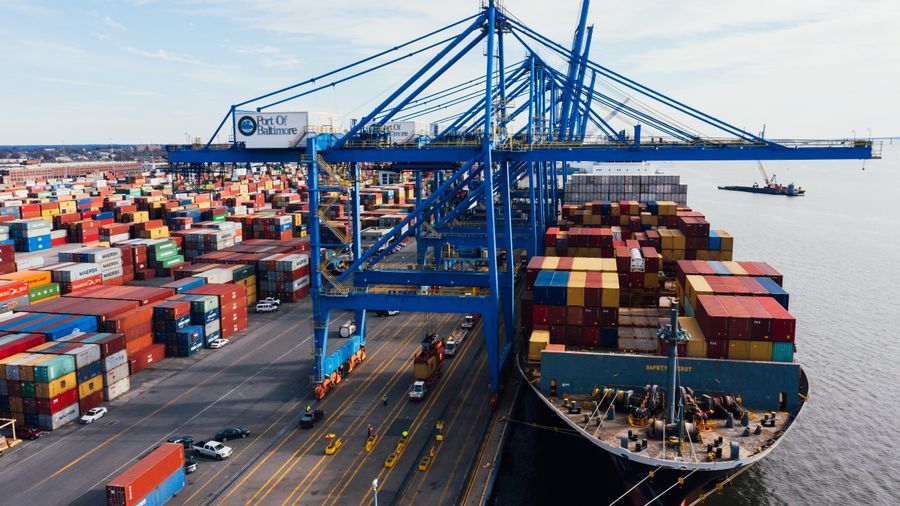
Customs clearance is the process of completing customs formalities and obtaining release of imported goods. You declare the goods and their customs value to HMRC, pay Customs Duty under the applicable arrangements, and pay or account for import VAT. Documentary or physical checks may also be required. This guide covers commercial imports from China into Great Britain (England, Scotland and Wales). Northern Ireland has different requirements.
The declaration and supporting documents are central to clearance. If a consignment is selected for checks, supply the documents requested and respond to queries. Complete documents help avoid queries but do not guarantee release or a particular timescale.
A freight forwarder or customs broker may file the declaration, but first identify the actual importer and agree whether the agent acts directly or indirectly. Buying the goods does not necessarily mean you make the import: the seller may import them before selling them domestically. For outsourced filing arrangements, see our guide to forwarder-outsourced UK customs clearance.
| Document or number | What it is for | Recommended preparation target |
|---|---|---|
| GB EORI number | Identifies the importer to HMRC. | Arrange before dispatch; it must be available when required for the declaration. |
| Commodity code | Used with origin and other tariff provisions to check duty and import controls. | Check before ordering and confirm for the declaration. |
| Commercial invoice | Provides the goods description, transaction value and terms. | Agree availability with the broker before dispatch; provide by the applicable declaration deadline. |
| Packing list | Describes the packages and their contents; information should be consistent with the invoice. | Prepare during packing and provide by the applicable declaration or control deadline. |
| Bill of lading or air waybill | Provides transport information for sea or air freight. | Agree availability with the carrier and broker before dispatch; provide required data by the applicable deadline. |
| Certificate of origin or conformity | Required only where the goods or applicable rules call for it. | Identify requirements before ordering; obtain by the deadline for the relevant control. |
| ISPM 15 mark | Shows compliance for solid wood packaging within scope; exemptions apply. | Specify before packing and verify before dispatch. |
| C79 or postponed import VAT statement | Monthly evidence of import VAT paid, including through duty deferment, or accounted for using PVA. | Download after the reporting month when available; keep with the declaration records. |
Who does what when you clear imports from China?
Appointing an agent does not remove the importer's responsibilities. Customs debt liability also depends on the representation arrangement and the agent's conduct, as explained below.
| Part of clearance | Who does it | What you keep |
|---|---|---|
| Customs declaration on CDS | You may appoint a customs broker or freight forwarder, or submit it yourself if you meet the relevant requirements. | The declaration record and any agent's appointment and invoice |
| GB EORI number | The importing business obtains it and supplies it to its agent where applicable. | Your EORI registration |
| Duty and import VAT | Pay Customs Duty or use applicable duty deferment. Pay import VAT separately, or use PVA if eligible; give any agent written PVA instructions before submission and include your VAT number. | The declaration, payment records and written instructions |
| Import VAT certificate (C79) | HMRC provides monthly evidence of import VAT paid, including through duty deferment; it becomes available after the reporting month. | The relevant monthly C79 for your VAT records |
| Postponed VAT accounting | An eligible UK VAT-registered importer accounts for import VAT on its VAT Return. | The monthly postponed import VAT statement; download and retain it |
How does customs clearance work, step by step, from the factory to your door?
1. Before ordering: identify the importer, check the commodity code, origin and applicable trade remedies, and arrange a GB EORI. Identify product-specific requirements and deadlines, distinguishing shipment, importation and placing goods on the market. For example, relevant vaping products need notification, vehicles need the applicable approval route, and timber products may require due diligence.
2. Before dispatch: agree preparation deadlines with your broker if using one. Check that the invoice, packing list and available transport information are consistent, and verify packaging compliance. Have the information and supporting documents ready by the deadline applicable to the declaration and any product controls; there is no single pre-sailing deadline for this whole checklist.
3. Safety and security: the carrier must ensure an entry summary declaration (ENS) is submitted, directly or through a third party. For ordinary containerised sea freight from China, it must be submitted at least 24 hours before loading at the departure port. Other transport modes have different deadlines. The ENS is separate from the import declaration submitted through the Customs Declaration Service (CDS).
4. Declaration and release: submit the import declaration within the deadline for the arrival location and customs procedure; pre-lodgement may be required. Pay Customs Duty or use applicable duty deferment. Pay import VAT separately, or account for it on your VAT Return using PVA if eligible. Release also depends on any required controls and checks.
5. After release: arrange collection and delivery under the agreed terms. Keep the declaration and supporting documents, plus the relevant monthly C79 for VAT paid, including through duty deferment, or the monthly postponed import VAT statement where PVA was used. These monthly records become available after the reporting month. For visit preparation, see HMRC post-clearance customs visits.
Do you need an EORI number?
For the commercial imports covered by this guide, you need an EORI number starting with GB to import into Great Britain. It identifies your business for customs purposes and is free to obtain from HMRC.
Arrange it before dispatch so it is available for the declaration. Northern Ireland may require an EORI starting with XI and different arrangements.
What commodity code do your goods need?
Classify each product using a commodity code in the UK Trade Tariff. Check the duty treatment using both the code and origin, including applicable reliefs, suspensions, quotas and trade remedies, as well as licences or other controls.
An incorrect classification can lead to an incorrect duty calculation or missed controls. Check the product description and classification before submitting the declaration.
| Consignment value | Customs duty |
|---|---|
| £135 or less | No Customs Duty on non-excise goods under this threshold rule |
| Over £135 | Check the commodity code, origin and applicable tariff provisions |
| Excise goods, any value | Customs Duty and excise duty apply as appropriate |
Goods that need more than a declaration
Identify product-specific requirements and their deadlines before ordering. Some concern shipment or importation; others concern registration or placing goods on the market. A customs declaration does not replace these requirements.
For relevant vaping products, new-product MHRA notification normally requires six months' notice before market placement. Vaping Products Duty and the duty-stamp scheme began on 1 October 2026, subject to duty-suspension and transitional rules; check the required HMRC approvals in the vape guide. Vehicle approval is needed for registration and taxation, subject to exemptions, rather than universally before shipping (electric cars). Timber due diligence applies before first placement of covered products on the GB market (plywood). Specified Chinese-origin boom lifts are subject to a provisional anti-dumping measure requiring a guarantee; exporter-specific rates depend on meeting the notice's conditions (boom lifts). Use the UK compliance finder or ask us to check requirements when ordering.
Which papers travel with the shipment?
Typical supporting documents include a commercial invoice and packing list, plus the transport document: a bill of lading for sea freight or an air waybill for air freight. Additional certificates or licences depend on the goods and procedure.
Check which documents must accompany the goods and which must be provided electronically. Keep the information accurate and consistent. See what documents are needed for UK customs clearance.
Who files the customs declaration?
Most businesses appoint a customs agent, broker or freight forwarder; you can also submit declarations yourself if you meet the requirements. If using a sourcing service, agree the seller, importer, declaration agent and scope in writing. For our sourcing services, confirm whether the arrangement includes delivery or separately scoped goods procurement and freight services, and identify the relevant tax records. For courier billing disputes, see disputing courier customs clearance fees.
PVA normally requires UK VAT registration, goods for business use with the right to dispose of them, and your VAT registration number on the declaration. Some import routes are excluded. If eligible, instruct your agent in writing before submission and retain the instructions. PVA accounts for import VAT on your VAT Return; it does not defer Customs Duty. See import duty and VAT.
For Cambridge China Bridge partner information, see our partners. Confirm the business making the declaration and its appointment for your shipment.
Where can you find clearance partner information?
See the partner page for commercial information, and confirm the proposed agent and scope for your shipment. You may appoint your own broker or forwarder; agree whether representation is direct or indirect.
Use our partners page when discussing a proposed arrangement. Confirm responsibilities, written authority and record access before appointing an agent.
For the detail behind each step, see the documents that travel with a shipment, how long HMRC clearance takes, appointing a customs agent: direct or indirect representation, finding your commodity code, what goes into customs value and reading your postponed import VAT statement. If a C79 or statement is missing, see missing C79 and postponed VAT statements.
Can you clear the goods yourself, or do you need a broker?
You can make your own declarations if you meet the relevant requirements. Self-filing requires compatible software and the ability to complete and manage the declarations.
To submit full declarations yourself, subscribe to CDS and obtain compatible declaration software. You can purchase software from a supplier rather than develop your own. Consider filing frequency, staff capability and costs when deciding whether to file yourself or appoint an agent.
Under direct representation, the principal is normally solely liable for customs debt. A direct agent may become jointly and severally liable if it makes a deliberate or unreasonable error despite clear instructions. Under indirect representation, the agent and principal are jointly and severally liable. If the seller imports the goods, do not assume its import VAT evidence is yours to use. Confirm the arrangement and provide correct classification, value and documents.
What is CDS, and how does your declaration reach it?
HMRC's Customs Declaration Service (CDS) has replaced CHIEF for import and export declarations. An appointed broker or freight forwarder can submit the declaration for you, or you can submit it yourself using compatible software if you meet the requirements.
Subscribe your business to CDS if necessary. To access monthly postponed import VAT statements, use the sign-in details associated with your VAT registration, then download and retain the statements. CDS access alone does not establish PVA eligibility.
What happens when your container arrives?
The import declaration must meet the deadline for the arrival location and procedure; some locations require pre-lodgement before boarding. Goods may be released or held for documentary or physical checks. Follow the instructions issued and contact HMRC about queries or service concerns using the relevant guidance. For documentary holds, see our guide to uploading documents for a CDS hold.
Check declaration details, payment arrangements, licences and other product controls. A hold may concern documents, the goods or another required control; do not assume every delay is a paperwork error.
How long does clearance actually take?
Clearance time depends on the declaration, payment arrangements, required controls and any documentary or physical checks.
HMRC publishes conditional documentary-clearance targets for the National Clearance Hub. These relate to specified circumstances after requested documents are received; they are not a guarantee for the whole shipment or for other border controls.
When estimating clearance time, state the assumptions and allow for possible checks and other port formalities. Agree document preparation and collection plans before arrival.
Working out your own order? Send us the product on WhatsApp and we reply the same working day: WhatsApp us
What can hold shipments up?
Check for inconsistent declaration information, missing licences or certificates, incorrect EORI details, unresolved payments and packaging that fails applicable requirements. Product controls and documentary or physical checks can also affect release.
Confirm free time, applicable storage, demurrage and detention charges, and the dispute process with the relevant providers before arrival. Commercial charges depend on the agreed terms.
What happens if your shipment is selected for a check?
Follow the check instructions and provide the requested documents or access to the goods. Clearance time depends on the checks required and their outcome; complete documents do not guarantee immediate release.
SPS inspection fees may be charged by the relevant authority, including a port health authority or APHA as applicable. BCP usage charges or the common user charge, where applicable, are separate; the common user charge can apply even without selection for inspection. Check requirements for the specific goods and entry route. Customs checks are a separate control.
Provide accurate, complete and consistent documents and respond to requests. Confirm applicable official and commercial charges without assuming either the examination fee or the delay will be the main cost.
What should you have before the goods leave China?
Agree preparation deadlines before dispatch. Identify the invoice, packing information, transport data, valuation evidence and any product-specific documents required. Have each item ready by the deadline applicable to the declaration or control; not every final document is universally required before sailing.
Check origin and retain the evidence required for the applicable tariff treatment. Chinese-origin goods do not qualify for a UK–China FTA preference, but reliefs, suspensions, quotas and trade remedies may affect duty. Origin evidence can affect trade-remedy treatment, so it is not merely descriptive. If goods qualify under another preferential arrangement, check its origin rules and evidence requirements.
Does your wood packaging need treating?
Solid wood packaging within scope, including relevant pallets, crates and dunnage, must meet ISPM 15 treatment and marking requirements. Exemptions include raw wood 6 mm thick or less and specified processed wood packaging, such as plywood.
Specify compliant packaging in the purchase order and verify it before dispatch. Check the official exemptions against the actual packaging rather than assuming all wood packaging requires treatment.
What if the declaration was wrong after the goods cleared?
If you discover an error after release, check the classification, origin, payment and customs value information and use the appropriate HMRC correction route.
Report underpayments promptly through HMRC's disclosure route. HMRC may issue a C18 demand to collect the amount owed. Notice 301 section 3.3 provides penalty treatment for qualifying voluntary disclosures: disclosure must be in writing and made when you have no reason to believe HMRC is making enquiries into Customs Duty issues. Keep records of your actions; the underpaid tax remains payable.
HMRC normally has three years from when the customs debt arose, usually the customs entry date, to notify you of it, with longer periods in specified circumstances. This is a debt-notification period, not a blanket limit on all checks. See UK import duty and VAT.
Getting the goods to your door
Clearance and delivery are separate steps. Arrange transport after release and confirm a suitable unloading location and any agreed free time for a full container.
Before arrival, confirm access, unloading equipment, free time, applicable storage, demurrage and detention charges, and the providers' dispute process. Identifying the importer affects declaration responsibilities and import VAT evidence; see who is the importer of record.
Suppliers and forwarders ask for different UK numbers; Which UK tax number does a supplier want? explains which is which.
For what the procedure code on your declaration means, see Customs procedure codes explained for importers.
Frequently asked questions
Who does customs clearance for imports from China, and how do I arrange it?
You can appoint a customs broker or freight forwarder, or file yourself if you meet the requirements. Give any agent your GB EORI, classification, valuation and required documents. For PVA, give written instructions before submission and ensure your VAT number is included.
How does customs clearance in Great Britain work, and what does it cost?
Prepare the required data and documents, submit the declaration within the applicable deadline and meet payment and control requirements. Customs Duty can be paid or deferred under an applicable arrangement. Import VAT is paid separately or accounted for through PVA if eligible. Confirm any agent, port, handling and inspection charges for your shipment.
What information do I need to clear customs?
Provide the commodity code, accurate goods description, customs value with required additions such as transport and insurance to the GB border, origin and GB EORI. Include your VAT number where required for PVA. Supporting documents depend on the goods and procedure and may include invoices, packing lists, transport documents, certificates and licences.
How do I get an EORI number?
Apply to HMRC for a GB EORI to import the commercial goods covered here into Great Britain (England, Scotland and Wales). Registration is free. Northern Ireland may require different arrangements.
Who works out the commodity code?
You are responsible for ensuring the classification is correct. A customs agent or transporter may help classify the goods against the UK Trade Tariff.
What is CDS, and do I need to file on it myself?
CDS is HMRC's Customs Declaration Service. You can appoint an agent or file yourself using compatible software if eligible. Subscribe your business if necessary; access PVA statements with the sign-in details used for VAT registration. PVA also requires eligibility, the VAT number on the declaration and written instructions before an agent submits it.
How long does customs clearance in Great Britain take?
Timing depends on the declaration, payment arrangements, required controls and any documentary or physical checks. HMRC's documentary-clearance targets are conditional, not a universal shipment guarantee. Complete documents help avoid queries but do not guarantee a timescale.
What can cause customs delays?
Missing or inconsistent information, incorrect EORI details, payment issues, missing licences, non-compliant packaging and required product or customs checks can affect release. The cause must be established for the particular consignment.
Do I need ISPM 15 packaging?
Solid wood packaging within scope must meet ISPM 15 treatment and marking requirements. Exemptions include raw wood 6 mm thick or less and specified processed wood packaging. Specify compliant packaging and verify it before dispatch.
Can I make my own customs declaration?
Yes, if you meet the requirements: subscribe to CDS and obtain compatible declaration software. You can buy software rather than develop it. If appointing an agent, confirm direct or indirect representation and the resulting liability, including the direct-agent exceptions described above.
What happens if my shipment is picked for examination?
Follow the instructions issued and provide accurate, complete and consistent documents. SPS inspection fees may be charged by the relevant authority; applicable BCP usage or common user charges are separate, and the latter can apply without inspection. Customs checks are separate. Documents do not guarantee a short hold.
Can I correct a declaration after the goods have cleared?
Yes. Report underpayments promptly through HMRC's disclosure route; a C18 may be issued to collect them. Qualifying voluntary disclosures receive the penalty treatment in Notice 301 section 3.3, but the tax remains payable. HMRC normally has three years from when the debt arose to notify it, with longer periods in specified circumstances.
Sources
- GOV.UK — Import goods into the UK: step by step
- GOV.UK — Wood packaging material for import and export
- GOV.UK — Check when you can account for import VAT on your VAT Return
- GOV.UK — Customs debt liability
- GOV.UK — Apply for a voluntary clearance amendment (underpayment)
- GOV.UK — Tax and customs for goods sent from abroad: tax and duty
- GOV.UK — Making an entry summary declaration
- GOV.UK — How to pay duties and VAT on imports from outside the UK
- GOV.UK — Get your postponed import VAT statement
- GOV.UK — Subscribe to the Customs Declaration Service
- GOV.UK — Get your import VAT certificate (C79)
- GOV.UK — Making a full import declaration
- GOV.UK — Clearing goods entering, leaving or transiting the UK
- GOV.UK — Safety and security import requirements: entry summary declarations
- GOV.UK — Software developers providing customs declaration software
- GOV.UK — Sanitary and phytosanitary checks at border control posts
- GOV.UK — Common user charge: rates, eligibility and invoices
- GOV.UK — Trading under WTO rules
- GOV.UK — Vaping product notification: submission type guidance for Great Britain
- GOV.UK — Importing vehicles: getting vehicle approval
- GOV.UK — Regulations: timber and FLEGT licences
- GOV.UK — Trade remedies notice 2026/23: provisional anti-dumping duty on boom lifts originating from China
- GOV.UK — New Vaping Products Duty comes into effect
- GOV.UK — Civil penalties for contraventions of customs law: Customs Notice 301
- GOV.UK — Border control posts and charges
- GOV.UK — EORI: introduction