LCL or FCL for shipping from China to the UK?
Use LCL for a smaller shipment when the complete delivered quote and extra handling suit your goods. Consider FCL when avoiding shared-container handling matters or the delivered total is competitive, provided you can receive and unload it. Ask Cambridge China Bridge to compare the packed order and delivery arrangements.
Compare the packed shipment, not a volume threshold
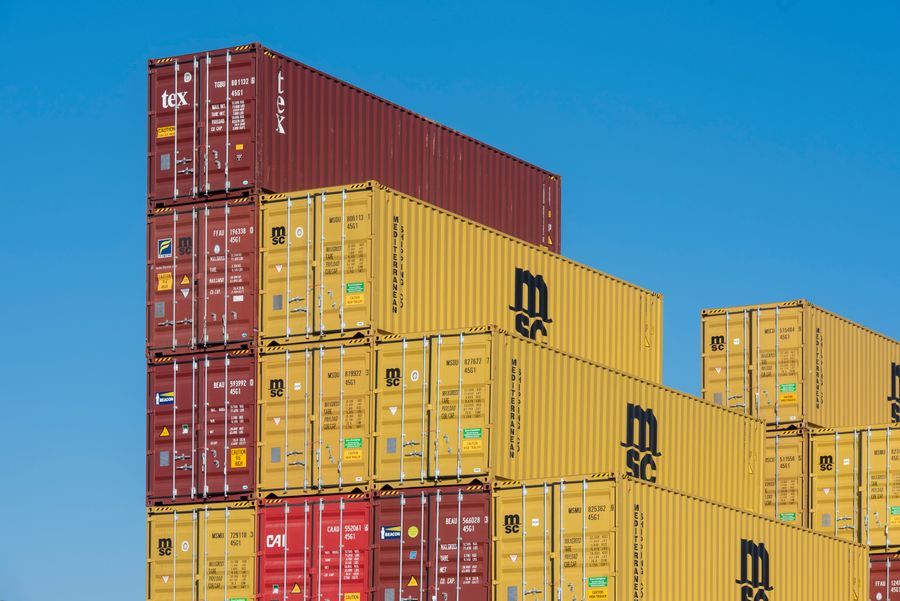
LCL means sharing container space with other shippers; FCL means booking a container for your shipment, even if it is not full. Our shipping overview covers charging and indicative crossover volumes. For an actual booking, request both options against the same packed order rather than treating a general threshold as a decision.
Send carton dimensions, gross weights, pallet dimensions, overhang and whether the load can be stacked. Ask whether the quote assumes loose cartons or pallets, how chargeable volume or weight is calculated, and what happens if the depot measures differently. Packaging changes can change the comparison.
Separate supplier consolidation from shared-container freight
Combining purchases from several factories is a sourcing arrangement; sharing a shipping container is a freight arrangement. A mixed-supplier order can travel by LCL or FCL. Use supplier consolidation to agree where goods meet, who reconciles them and who authorises dispatch.
Ask for the cargo receipt deadline, inspection release point and policy for a late supplier. Confirm storage, recounting, relabelling and repacking charges before goods arrive at the warehouse. Decide whether to hold the whole order or ship ready goods separately, and ask how either choice changes the quote and delivery plan.
Map handling and protect against damage
Ask the forwarder to describe each handover: factory collection, consolidation warehouse, container loading, destination unpacking and final delivery. LCL adds consolidation and separation of shared cargo. FCL may reduce cargo handling if the sealed container reaches your premises, but ask whether the service includes unloading into a depot and onward pallet delivery.
For fragile, moisture-sensitive or non-stackable goods, agree packaging, stacking limits and photographs at handover. Ask how shared cargo will be separated and secured. Use the container loading guide for loading evidence. FCL does not remove damage exposure: poor packing or securing can still cause losses. Ask separately about cargo insurance, exclusions and the evidence needed for a claim. For cabinet-specific checks, see inspecting a bespoke cabinet before shipping.
Check whether your premises can receive the load
Before choosing FCL, give the haulier your delivery postcode, access restrictions, turning space, booking arrangements and unloading equipment. Confirm whether you receive a container on a trailer, whether the driver waits while you unload, who supplies labour and equipment, and who arranges the empty-container return.
For LCL pallet delivery, confirm vehicle access, tail-lift suitability, pallet weights, ground conditions and the agreed drop point. Ask whether delivery stops at the kerb or includes movement into the building. If your site cannot receive a container, request a separate depot-unloading and onward-delivery option, then include its handling and charges in the FCL comparison.
Get comparable written quotes before booking
Request LCL and FCL quotes with the same collection point, packed cargo, readiness date, named destination and delivery scope. Require itemised collection, origin handling, consolidation or container loading, sea freight, destination handling, clearance, delivery and insurance. Show duty and VAT separately, with assumptions and exclusions. The landed-price guide explains the cost layers.
Ask for quotation validity, currency, charging basis, payment terms and whether dates are estimates. Require the included storage and waiting allowances, when charging starts, applicable rates, and responsibility for depot storage, vehicle waiting and container return. Mark unresolved costs as unconfirmed; compare complete totals alongside handling exposure and receiving arrangements.
Name the importer and customs representative in the written scope. HMRC states that appointing someone to handle customs does not remove your responsibility for due diligence on your customs declarations. Cambridge China Bridge can use its own staff in China to coordinate supplier readiness and packing information for the comparison.
Frequently asked questions
Does FCL have to be a full container?
No. You can book a container without filling it. Compare the complete delivered cost with LCL, including unloading, empty-container return and any depot handling.
Is FCL safer than LCL for fragile goods?
It may reduce cargo handling if the sealed container reaches your premises. Confirm the actual route and packing plan. FCL still needs suitable packaging and securing.
Can goods from different Chinese factories use FCL?
Yes. Agree a collection warehouse, supplier readiness, quantity reconciliation and release instructions. Combining suppliers does not mean you must use shared-container freight.
What should an LCL or FCL quote include?
Collection, handling at both ends, sea freight, clearance, delivery and insurance scope, with duty, VAT, exclusions and conditional charges identified. Confirm the charging basis and unloading arrangements.