What is CBM in shipping? How to calculate it
CBM means cubic metres, a measure of shipment volume. Multiply the packed length, width and height in metres, then multiply by the number of identical packages. Add the totals for different package sizes. Use outer shipping dimensions rather than product dimensions. Cambridge China Bridge helps buyers check packing details with its own staff in China.
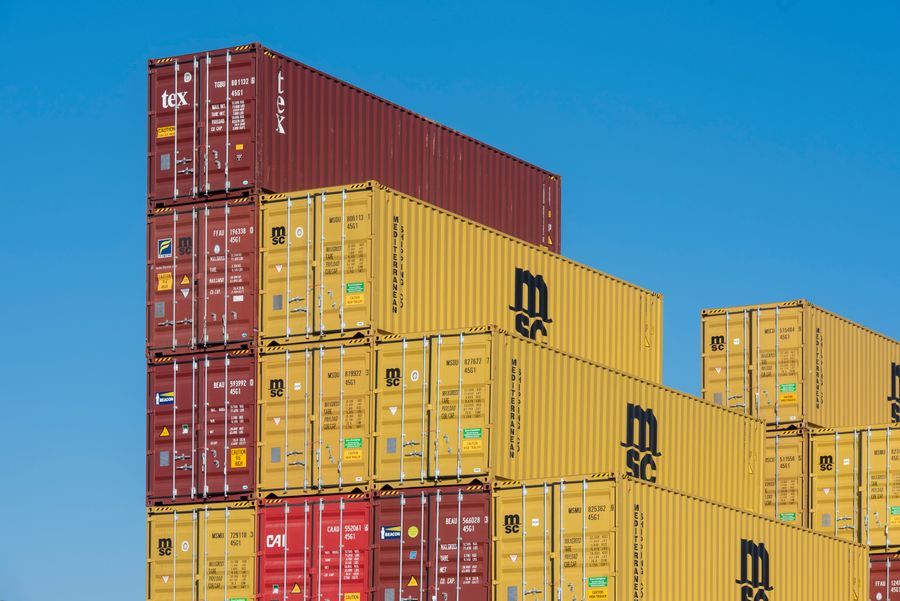
What CBM measures
CBM describes volume, while gross weight describes how heavy the packed goods are. A cubic metre is the volume of a cube whose length, width and height are each a metre. Keep volume and weight in separate fields when asking for freight quotations.
For shipping calculations, start with the outside dimensions of the finished transport package. A product drawing or retail box measurement is insufficient when the goods travel inside a larger carton, crate or loaded pallet.
Calculate the packed shipment volume
Convert the packed length, width and height into metres before multiplying them together. The result is the package volume in cubic metres. Multiply that result by the count of packages with exactly those dimensions. Keep the original measurements alongside your calculation so someone else can reproduce it.
Calculate each different package size separately, then add the subtotals. Use actual carton counts rather than product quantities. For palletised freight, calculate the outside dimensions of each loaded pallet, including its base, wrapping and overhang. Do not also add the cartons already included within that pallet volume.
Check the supplier's measurements
Ask for a packing schedule showing the product reference, shipping package type, package count, outside length, width, height, measurement unit and gross weight. Mark estimates clearly and request updated measurements after final packing. Check that the total quantities reconcile with your order.
Ask for photographs showing a tape measure against the finished package, with its package reference visible. Check bulging cartons, protruding crate parts and pallet overhang. If your recalculation differs from the supplier's total, resolve the units, package counts and packing version before booking. Use the multi-product packing list guide to organise the records.
Use CBM to check container fit
A shipment volume below a container's stated capacity does not prove that the goods will fit. Package shape, loading orientation, door clearance, stacking restrictions, weight and space for securing the cargo can limit the usable layout.
Give the loading planner the individual package dimensions and handling restrictions, rather than only a total CBM figure. Ask for a proposed arrangement before approving the booking. The container-fit guide covers that decision.
Send a usable freight enquiry
Send the forwarder your packing schedule, total volume, gross weight, collection and delivery locations, and whether the goods will travel loose or palletised. Identify packages that cannot be stacked or have unusual handling needs. State whether the measurements are provisional or checked after packing.
Ask the forwarder to state the chargeable basis, minimum charges, rounding method and treatment of non-stackable cargo. Confirm what happens if warehouse measurements differ. A CBM figure alone cannot establish the final freight bill. Use the freight quotation guide to compare the scope of competing offers.
Frequently asked questions
What does CBM mean in shipping?
CBM means cubic metres. It measures shipment volume, calculated from packed length, width and height expressed in metres.
How do I calculate CBM for different carton sizes?
Calculate the volume of each carton size, multiply by its carton count, then add the subtotals. Convert all dimensions into metres before multiplying.
Should I include pallets when calculating CBM?
Yes, if the goods travel palletised. Measure the complete loaded pallet, including the base, wrapping and overhang. Avoid adding its enclosed carton volume again.
What if my supplier's CBM is wrong?
Request the original dimensions, units, package counts and final packing photographs. Recalculate each package group and resolve the difference before confirming the freight booking.