Plastic Packaging Tax: mixed-material packaging
Assess each separately manufactured packaging component, comparing its plastic weight, including additives, with each other material. Plastic need not exceed half the total weight: it must outweigh every other material individually. Ask for component-level evidence through Cambridge China Bridge.
Identify the components before comparing weights
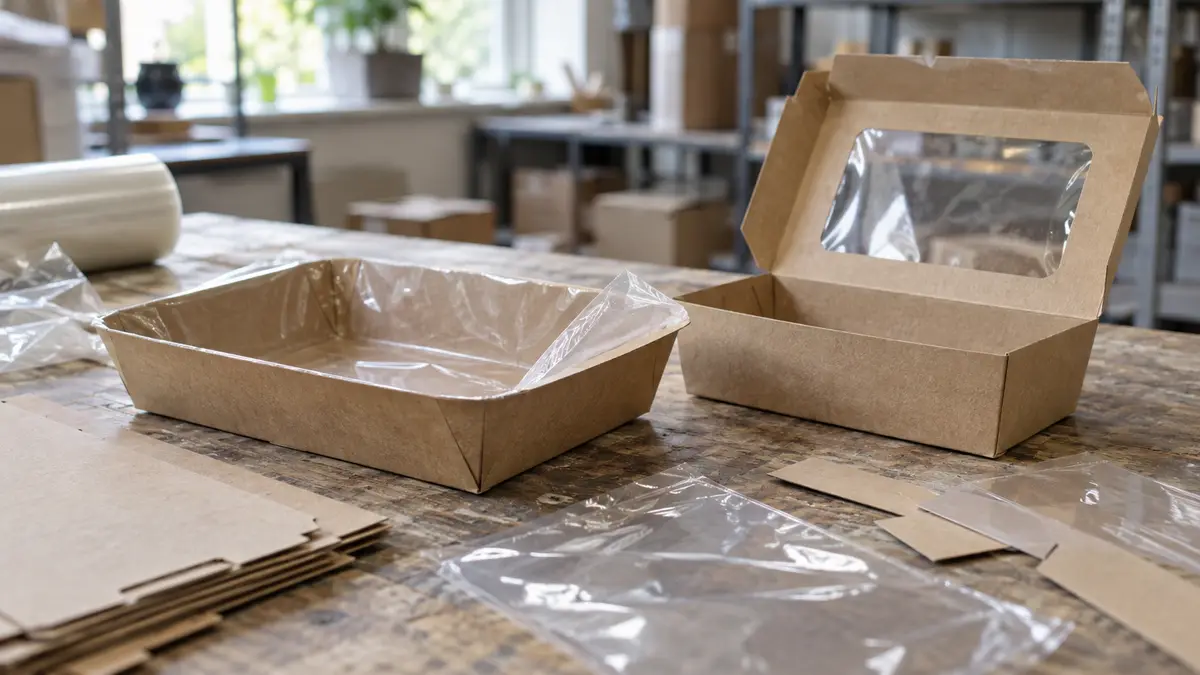
HMRC says packaging components are generally manufactured separately before assembly. Bottles, caps and labels are examples, as are trays, boxes and plastic windows. Assess each component rather than averaging the materials across the complete retail pack. A heavy cardboard box does not cancel out a separately manufactured plastic window.
Ask the factory for an assembly drawing showing which parts are made separately and how they are joined. Match those parts to the sample and the material schedule. For registration, rates and exemptions after classification, use our Plastic Packaging Tax guide.
Compare plastic with each other material
Within a mixed-material component, plastic must weigh more than any other individual material to make it a plastic packaging component. It need not exceed half the total weight. Plastic can outweigh aluminium and cardboard individually even when those materials together outweigh the plastic. If plastic merely ties with the heaviest other material, it does not meet the test.
Request the total component weight and a breakdown by material in grams. Use HMRC's material categories, including paper and board together. Do not accept only a description such as laminated carton or paper-based pouch. Keep the material breakdown separate from the complete pack weight and the weight of the product inside.
Include additives and check adhesives
HMRC defines plastic as a polymer material to which additives or substances may have been added. Additives such as calcium or dyes count as part of the plastic weight. A supplier's resin-only weight can therefore understate the plastic used for classification.
For an adhesive, check whether it meets HMRC's definition of plastic. If it does, include it in plastic; if it does not, HMRC says not to treat it as an additional other substance for this comparison. Ask for the adhesive specification and details of fillers and colourants. Avoid counting an additive both within the plastic formulation and as a separate material.
Support the weights with factory evidence
HMRC allows material weights to be established using the material inputs method or verified specification method. Under the verified specification method, a random selection of components must be weighed against the specification and weighing records kept. An overseas manufacturer can carry out that weighing, but you must check that the specification remains accurate.
Ask for the component specification, material breakdown, sample weighing records and a link to the relevant order. Resolve discrepancies before approving production. HMRC requires a new assessment when the specification or materials change. Put change notification into the purchasing instructions alongside the practical checks in our packaging sourcing guide.
Working out your own order? Send us the product on WhatsApp and we reply the same working day: WhatsApp us
Separate classification from the tax calculation
Classifying a component as plastic does not by itself establish that tax is payable. Check recycled content and applicable exemptions next. Recycled plastic content is measured against all plastic in the component, not against its total mixed-material weight. Where tax is due, it applies to the entire component, including its non-plastic materials. For later export or conversion, see our Plastic Packaging Tax recovery guide.
Keep separate fields for component weight, material weights and recycled plastic evidence. Ask Cambridge China Bridge's staff in China to obtain the factory breakdown and supporting records before shipment. Packaging EPR is a separate regime; use our UK packaging EPR guide for that assessment. For disputed notices, see our guide to challenging packaging EPR liability notices.
Frequently asked questions
Must plastic be more than half the packaging weight?
No. Within each component, plastic, including its additives, must outweigh each other material individually. The combined weight of non-plastic materials can be greater than the plastic weight.
Do I assess a box and its plastic window together?
If they are separately manufactured packaging components, assess them separately. HMRC expressly lists boxes and plastic windows as separately manufactured examples. Ask for an assembly drawing to establish the component boundaries.
Do fillers and dyes count as plastic?
Additives forming part of the plastic count within its weight. HMRC gives calcium and dyes as examples. Ask whether the factory's declared plastic weight includes these additives.
Is tax charged only on the plastic in a mixed component?
No. Where Plastic Packaging Tax is due, it applies to the entire plastic packaging component, including the non-plastic materials. Classification and recycled-content assessment are separate steps.