Sourcing custom packaging and print from China
Packaging is regulated twice over — as tax under Plastic Packaging Tax and as waste under packaging EPR — and both obligations land on the UK business that places it on the market, so material, recycled content and weight all change what you pay after the goods arrive. Cambridge China Bridge sources this for UK and overseas buyers, from a first trial order to full containers.
Products and search terms
paper bags, mailers, printed cartons, rigid gift boxes
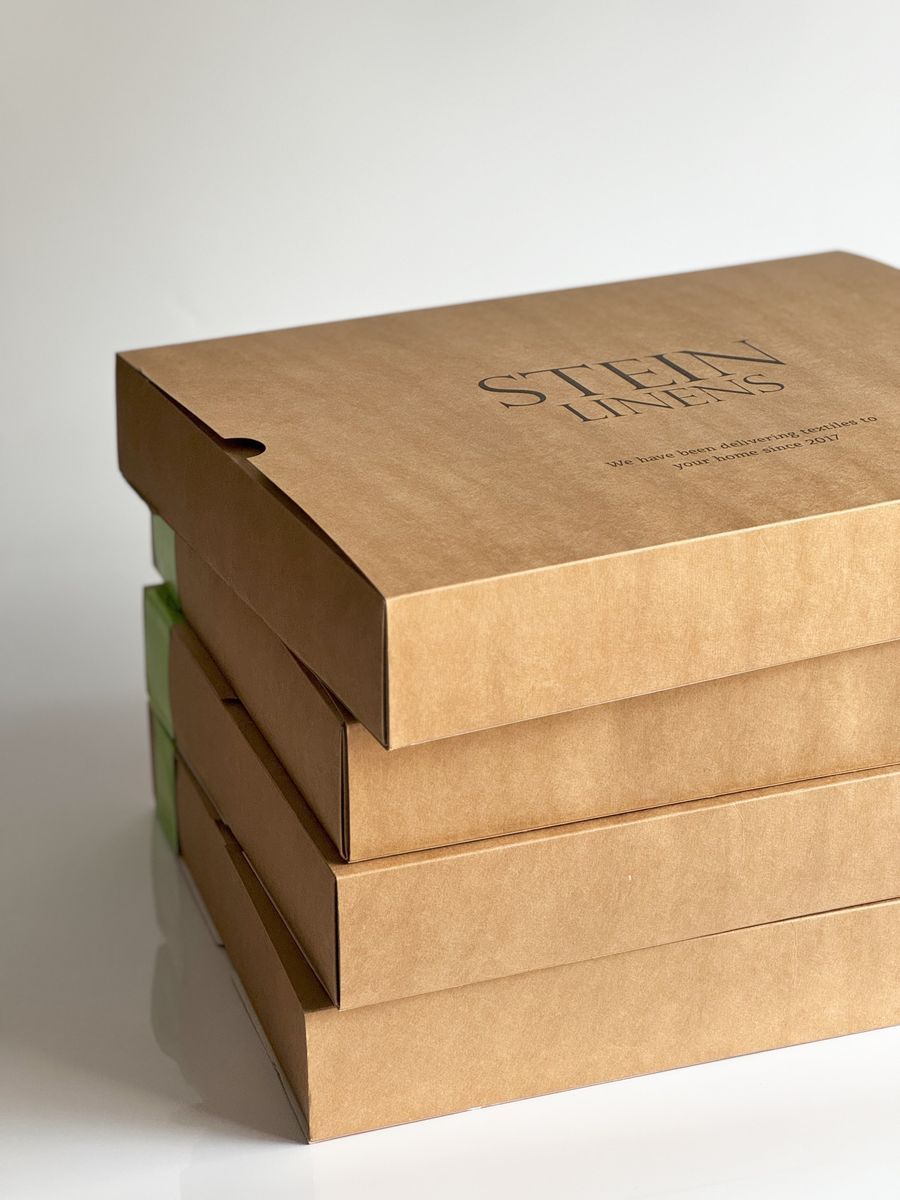
Packaging is the category where the tax arrives with the goods
Packaging looks like a simple thing to import, and the manufacturing usually is. What makes it complicated is that packaging is regulated as waste and as tax at the same time, and both obligations land on the business that places it on the UK market.
So the sourcing decision is not only about price per thousand. It is about material choice, recycled content and weight, all of which change what you pay after the goods land.
Paper and paperboard products of chapter 48, such as cartons, boxes, labels and notebooks, are within the scope of the UK Timber Regulations, except bamboo-based and recovered (waste and scrap) products. The business that first places them on the GB market, usually the importer, must carry out due diligence on the timber behind the paper, so ask the supplier for the pulp source, species and country of harvest, and any FSC or PEFC chain of custody certificate.
Two regimes, and they are not the same thing
Packaging producer responsibility makes businesses that place packaging on the UK market responsible for the cost of dealing with it as waste, with data reporting obligations attached. What you report is driven by the material and the weight of what you place on the market, which is why accurate weights per component matter from the start.
Plastic packaging tax is separate. It applies to plastic packaging components that do not contain at least the required proportion of recycled plastic, with a threshold on the amount of plastic packaging you manufacture or import in a twelve-month period.
The useful thing to understand is that these two ask different questions of the same box. One is about who pays to deal with it later; the other is about what it is made from now. A packaging decision that improves one can worsen the other, so it is worth looking at both before choosing a material.
Recycled content is a sourcing specification, not a claim
If you are relying on recycled content, it has to be evidenced rather than asserted. Ask for the recycled content by weight for each component, ask how it is verified, and ask for the supporting documentation.
This is an area where supplier claims outrun supplier evidence more often than in most categories. A statement in an email is not the same as a document you can produce if asked, and the obligation to have the evidence sits with you.
Specify recycled content as a numerical requirement with a test or certification route, and require notification of any change. A change in resin source can move you across a threshold without anybody mentioning it.
Not all your packaging counts the same way
Transport packaging that arrives on an import is treated differently from the packaging your customer receives. That distinction matters when you work out what falls into which regime, and it is a common source of both over-reporting and under-reporting.
Map your packaging properly: what goes around the product for retail, what is added for ecommerce despatch, what protects it in the container, and what is genuinely reused. Then get weights per component for each. This is dull work that takes an afternoon and prevents a year of guessing.
Quality points that matter in practice
Specify material, grade and weight, board flute and grammage for cartons, print process and colour to a physical standard, and finish. Then specify performance rather than just construction: burst strength, edge crush, drop test performance for the way it will actually be shipped.
Print and colour consistency between runs is the most common complaint in printed packaging, so specify the acceptable variation and require a match to an approved printed sample rather than to a screen.
Specify dimensional tolerance carefully. Packaging that is a couple of millimetres out will still fit the product but may not fit the machine that packs it, or the carton that carries it.
Working out your own order? Send us the product on WhatsApp and we reply the same working day: WhatsApp us
Freight, because packaging is mostly air
Packaging is a low-density product and part-container sea freight is charged on volume or weight, whichever is greater. Flat-packed and nested formats, and getting more units into the same cube, matter more here than in almost any category.
Which makes a genuine question worth asking: does this need to come from China at all? For simple, bulky, low-value packaging the freight can erase the unit price advantage, and a UK or nearer-Europe supplier may land cheaper. For printed, specialised, rigid or complex packaging the Chinese price advantage often survives the freight comfortably.
Work it out on landed cost per unit rather than on the quotation, and be willing to conclude that some of your packaging should be bought closer to home. What we source in this category is on the packaging page.
Related guides: Sourcing hessian and jute fabric from China.
For shops and retailers buying stock from China, see our service for retailers.
Frequently asked questions
What obligations come with importing packaging?
Packaging producer responsibility makes businesses placing packaging on the UK market responsible for the cost of dealing with it as waste, with data reporting attached. Separately, plastic packaging tax applies to plastic packaging components without the required proportion of recycled plastic, subject to a threshold on how much you manufacture or import in a twelve-month period.
How do I evidence recycled content?
Ask for recycled content by weight for each component, how it is verified, and the supporting documentation. Specify it as a numerical requirement with a test or certification route and require notification of any change, because a change of resin source can move you across a threshold silently.
Does the packaging around my imports count?
Transport packaging arriving on an import is treated differently from the packaging your customer receives, so map your packaging by role and get weights per component. Getting this wrong causes both over-reporting and under-reporting.
What quality points should I specify for printed packaging?
Material, grade and weight, board flute and grammage, print process and colour against an approved printed sample rather than a screen, finish, and performance measures such as burst strength, edge crush and drop test for the way it will actually ship.
Is it always cheaper to buy packaging from China?
No. Packaging is low density and sea freight is charged on volume, so for simple bulky low-value packaging the freight can erase the unit price advantage. For printed, rigid or specialised packaging the advantage usually survives. Compare landed cost per unit rather than the quotation.