Does packaging EPR apply to importers in the UK?
Packaging EPR makes whoever places packaging on the UK market pay for dealing with it afterwards. The Chinese manufacturer is not in scope of UK law, so the obligation lands on you as the importer: small-producer duties apply above £1m turnover and 25 tonnes, full obligations above £2m and 50 tonnes. Cambridge China Bridge can quote one UK landed price covering freight, duty and clearance.
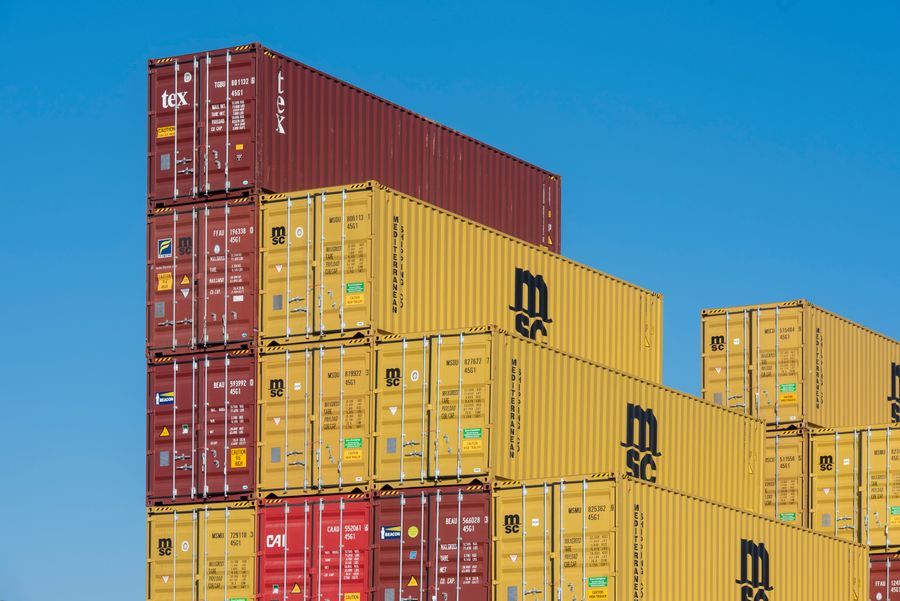
Importing makes you the producer
Extended Producer Responsibility for packaging makes whoever places packaging on the UK market responsible for what happens to it afterwards. When you import packaged goods from China, the overseas manufacturer is not in scope of UK law, so the obligation lands on you as the importer.
This is separate from Plastic Packaging Tax, and it covers all packaging materials — paper, board, glass, metal and wood, not only plastic. It is entirely possible to be inside EPR and outside the plastic tax, or the other way round. For wood used in shipments, see our wood packaging checks guide.
Whether you are obligated
Obligation is based on two tests applied together, and both figures are settled. You are a small producer if your turnover is over £1m and you handle more than 25 tonnes of packaging; a large producer if turnover is over £2m and you handle more than 50 tonnes. Below £1m turnover, or at or under 25 tonnes, there is no obligation. Small producers report their packaging data; large producers report data and also pay disposal fees, scheme administrator costs, a regulator registration charge, and must obtain PRNs or PERNs to meet recycling obligations — the PRN cost is real, volatile, and routinely missed in budgets.
Note which years the tests use: packaging tonnage is assessed on the previous calendar year and turnover on the latest accounts available before the applicable assessment date, so your status this year is not necessarily decided by data you recorded two years ago. If you are anywhere near the thresholds, keep the data — you cannot reconstruct a year you did not measure.
What you actually have to do
In practice: work out the weight of packaging you place on the market by material, register with the regulator or through a compliance scheme, and submit that data on the required cycle — larger producers report more often than smaller ones.
The data burden is the real work. It means knowing, per product, the weight of the box, the film, the void fill and the pallet wrap. That information has to come from your supplier, which is why it is far easier to collect at the specification stage than to reconstruct later.
Fees now depend on how recyclable your packaging is
Disposal fees are modulated: packaging that is harder to recycle attracts a higher fee than packaging that recycles easily. Composite materials, mixed laminates and dark plastics tend to sit at the expensive end.
That turns packaging design into a running cost rather than a one-off decision. Simplifying a laminate pouch to a mono-material, or a mixed-material box to plain board, reduces the fee every year you sell the product.
Working out your own order? Send us the product on WhatsApp and we reply the same working day: WhatsApp us
Getting the data from a Chinese factory
Factories can supply packaging weights by material — they know what they are buying — but they rarely volunteer it, and it is not usually on a quotation. Ask for it as part of the specification, in grams per component, and confirm it against the physical sample rather than trusting the sheet.
We collect packaging weights by material as part of specifying an order, so the EPR data exists before the goods ship rather than being estimated after the fact.
A hamper business that imports baskets, boxes and fillers is a typical case; our hamper packaging guide explains why to ask each factory for unit weights by material.
To check whether your business has packaging EPR obligations, use our packaging EPR checker.
Frequently asked questions
Does EPR apply if I only import, not manufacture?
Yes. When you import packaged goods, you take on the packaging obligations the overseas producer cannot hold, because they are outside UK law.
Is EPR the same as Plastic Packaging Tax?
No. They are separate schemes. EPR covers all packaging materials and is based on turnover and tonnage tests; Plastic Packaging Tax is a per-tonne charge on plastic packaging with under 30% recycled content.
What data do I need from my supplier?
The weight of each packaging component by material — box, film, void fill, pallet wrap — in grams. Ask for it in the specification and verify it against the sample, because factories rarely provide it unprompted.
How do I reduce EPR fees?
Fees are modulated by recyclability, so simplifying packaging helps: mono-materials instead of laminates, plain board instead of mixed composites, and avoiding hard-to-recycle formats.