Casting vs forging for metal parts from China
Consider casting for complex cavities and integrated shapes; consider forging where fatigue, impact and load direction drive the design. Neither route guarantees performance: compare the specific process, alloy, heat treatment and finished-part evidence. Arrange drawing-led factory comparisons with Cambridge China Bridge.
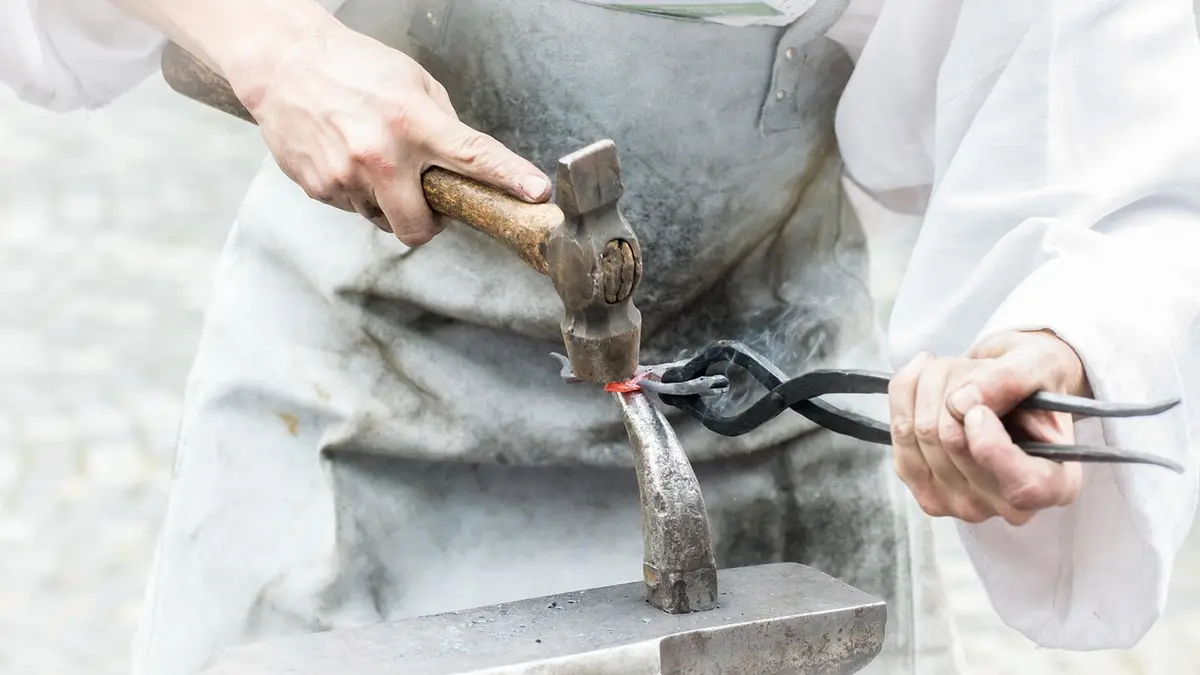
Start with geometry and the failure mode
Mark internal passages, thin walls, thick junctions, sealing faces, bearing seats and highly stressed sections on the drawing. Describe the loads, repeated loading, impact, operating temperature, corrosion exposure and consequences of failure. A hollow pump body and a loaded connecting link need different comparisons, even when both are metal parts.
Casting forms metal from a melt; forging shapes solid metal by deformation. Casting can accommodate cavities using suitable cores. Forging can develop grain flow that supports directional performance, but the finished geometry and machining matter. Use the custom metal-components guide for drawing control and release responsibilities.
Compare named processes, not broad labels
Ask each factory to name its proposed process and explain its fit to your drawing. Sand casting, investment casting and pressure die casting are different proposals. So are open-die forging, impression-die forging and ring rolling. Request a marked-up drawing showing parting lines, draft, cores, machining allowances and any proposed geometry changes.
Use the table to shortlist discussions, then ask for evidence from comparable parts. Do not assume a factory's equipment list proves it can control your material, wall sections or critical features.
| Candidate route | Geometry to discuss | Question before selection |
|---|---|---|
| Sand casting | Bodies with cored passages or substantial sections | How will cores, feeding and shrinkage be controlled? |
| Investment casting | Intricate external shapes and features | Which features remain as cast, and which need machining? |
| Gravity or low-pressure die casting | Repeat aluminium bodies and housings | How will filling, solidification and internal soundness be demonstrated? |
| High-pressure die casting | Thin-walled non-ferrous housings | Is this process suitable for the specified leak, welding and heat-treatment requirements? |
| Open-die forging | Shafts and simple substantial blanks | What machining stock and property direction are proposed? |
| Impression-die forging | Contoured loaded components | How will grain flow, die filling and trimming be controlled? |
| Ring rolling | Seamless rings | How will the section, grain direction and finished dimensions be verified? |
Lock the alloy and performance evidence
Specify the material grade and delivery condition for each candidate route. A cast alloy and a wrought alloy with similar descriptions are not automatically interchangeable. Ask your engineering owner to approve the proposed grade, heat treatment and property requirements together. Treat a change from casting to forging as a design review, not a purchasing substitution.
For fatigue or impact duties, agree how grain direction, specimen location and finished-part testing will support acceptance. For pressure-tight bodies, define the leak-test medium, conditions and acceptance criterion. State whether impregnation or weld repair is permitted and how it must be recorded. Hardness or a material certificate alone does not establish fatigue life or pressure tightness.
Make defects and machining visible
Ask a casting supplier how it checks porosity, shrinkage and inclusions near critical sections. Ask a forging supplier how it checks laps, cracks, incomplete filling and heat-treatment variation. Agree the examination method, coverage, acceptance criteria and report issuer with your technical owner; a generic promise of defect-free parts is not an inspection plan.
Inspect the finished condition where machining can expose internal defects or alter critical sections. Require sample reports to identify the drawing revision, material batch, process and heat treatment. Define test-sample selection and traceability before production; the laboratory sample chain-of-custody guide explains how to keep tested samples linked to the goods.
Working out your own order? Send us the product on WhatsApp and we reply the same working day: WhatsApp us
Compare quotations through an approved trial
Compare tooling, raw-part manufacture, heat treatment, machining, inspection, repair, scrap responsibility and packing on the same basis. Ask who owns the tools and who performs subcontracted work. Include a machined-stock proposal where useful: it can help you assess whether tooling is justified for the intended order pattern.
Require trial parts from the proposed production route, then review dimensions and performance evidence before releasing repeat supply. If replacing an existing route, use the second-source qualification guide to structure the comparison. Cambridge China Bridge's own staff in China can review factory capability and coordinate samples and checks; your engineering and quality teams retain approval of the route and deviations.
Frequently asked questions
Is forging always stronger than casting?
No. Forging can support favourable grain flow, but performance depends on alloy, heat treatment, geometry, defects and load direction. Compare the required properties and finished-part evidence.
Can a cast part be replaced with a forging?
Sometimes, but cavities, wall sections, alloy and machining may need to change. Have engineering approve the revised design and validation plan before accepting the substitution.
Which casting process should I ask a Chinese factory for?
Send the drawing and performance requirements, then request a named process with reasons. Ask how it will control internal soundness, critical dimensions and any leak, welding or heat-treatment requirements.
What should a casting or forging quote include?
The process, alloy and condition, tooling, machining, heat treatment, inspection scope, permitted repairs, subcontractors and trial approval criteria. Compare finished accepted parts on the same specification.