Quality planning for engineered parts from China
Agree what evidence releases each stage before tooling or production starts. Inspect first articles made with the intended production process, then approve repeat production against a documented control plan and supporting results. Cambridge China Bridge can coordinate these checks with its own staff in China.
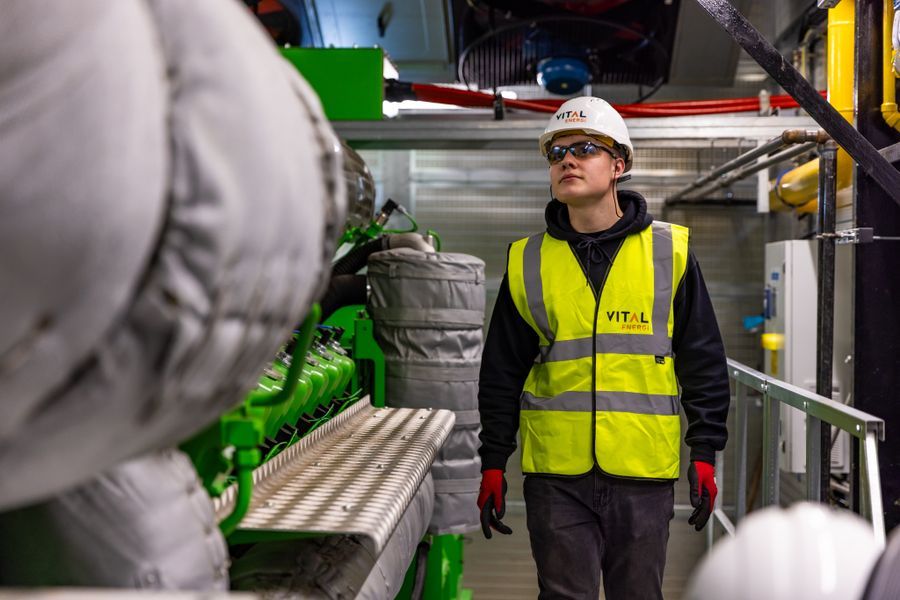
Set approval gates before committing to production
A phase gate is an agreed pause where a named buyer representative reviews evidence and authorises the next activity. Put the gates in your order documents: specification release, tooling release, first article acceptance and production approval. Record what the factory may do while approval is pending. A progress photograph should not become permission to start bulk production.
Start with a controlled drawing revision, material specification, mating requirements and acceptance criteria. Mark the features whose failure would affect fit, function or safety, and agree how to check them. Our product specification guide covers the brief; this plan adds the evidence and decision owner for each release.
Make first article inspection traceable
First article inspection means checking parts from the intended manufacturing process against the agreed drawing and specification. Ask for parts made using the proposed production tooling, materials and process route. A hand-finished prototype can help establish the design, but gives weak evidence about how the factory will make repeat orders.
Ask for a drawing with each checked feature identified and a report mapping actual results to those features. Include material records, relevant finish or treatment results, functional tests and fit with mating parts. Record the measuring equipment and identify the submitted parts. Resolve failures before acceptance; document any temporary concession with its scope, expiry condition and approving person.
Turn the control plan into factory instructions
A control plan connects each important feature to the manufacturing step that controls it. Ask the factory to identify the characteristic, acceptance limit, checking method, checking frequency, responsible person and retained record. Agree the frequency from the consequences of failure and how the process behaves, rather than copying a template.
Include a reaction plan: stop the affected operation, separate suspect parts, identify the affected batches, investigate the cause and obtain permission to restart. Ask how checks cover different cavities, machines or subcontracted treatments where relevant. The inspection guide explains shipment checks; a control plan helps prevent defects while parts are being made.
| Feature | Control and evidence | Response to failure |
|---|---|---|
| Mating bore | Agreed gauge or measurement method, recorded results and checking frequency | Hold affected parts and check the tooling or machine setting |
| Material grade | Material identity linked to the incoming batch and finished parts | Quarantine unidentified or substituted material |
| Surface treatment | Agreed treatment specification and test results linked to the batch | Hold the batch pending investigation and disposition |
Approve the production process as well as the part
For production part approval, ask for a pack showing both conformity and repeatability: the agreed drawing revision, process flow, review of possible failures, control plan, first article results, material and test records, and evidence from a trial under intended production conditions. Agree how the trial will represent normal manufacture and demonstrate the output you need.
If your customer specifies a formal production part approval process, obtain their submission instructions before placing the order and agree them with the factory. For your own buyer-defined pack, record accepted, held or conditionally accepted status and exactly what activity it permits. A passing first article alone should not release an unproven production process.
Keep approval tied to the agreed configuration
Record approval against the part revision, factory site, tooling, material source and process route. Require written notification before changes, then decide which checks need repeating before releasing affected goods. Keep batch identities connected to inspection records and concessions. Our guide to making bulk production match the sample covers maintaining the agreed product on repeat orders.
Keep a separate review of product safety evidence alongside your quality approval. UK guidance says manufacturers and importers placing products on the UK market need to demonstrate compliance with relevant safety requirements. Ask what evidence applies to the intended product and use; do not treat dimensional acceptance as proof of safety.
Frequently asked questions
Is a first article the same as an approved sample?
An approved sample may establish appearance or design. For first article acceptance, ask for traceable inspection results from parts made using the intended production tooling, materials and process.
What should a factory control plan include?
The feature being controlled, acceptance limit, process step, checking method and frequency, responsible person, retained record and action when a check fails.
Do I need a full production part approval pack?
Ask your customer what they require. For your own purchasing, agree a pack proportionate to the part's risks and the evidence needed to approve repeat production.
When should I repeat first article checks?
Agree triggers before ordering, including changes to the drawing, tooling, material source, manufacturing site or process. Review what each change affects and repeat the relevant checks before release.