Sourcing nickel-iron batteries from China
Nickel-iron batteries from China fall within other accumulators and carry 0% UK duty; separately imported battery parts normally carry 2%. Confirm the applicable battery marking and producer responsibilities with the relevant authority. Specify the electrolyte and charging regime before ordering. Cambridge China Bridge sources nickel-iron batteries.
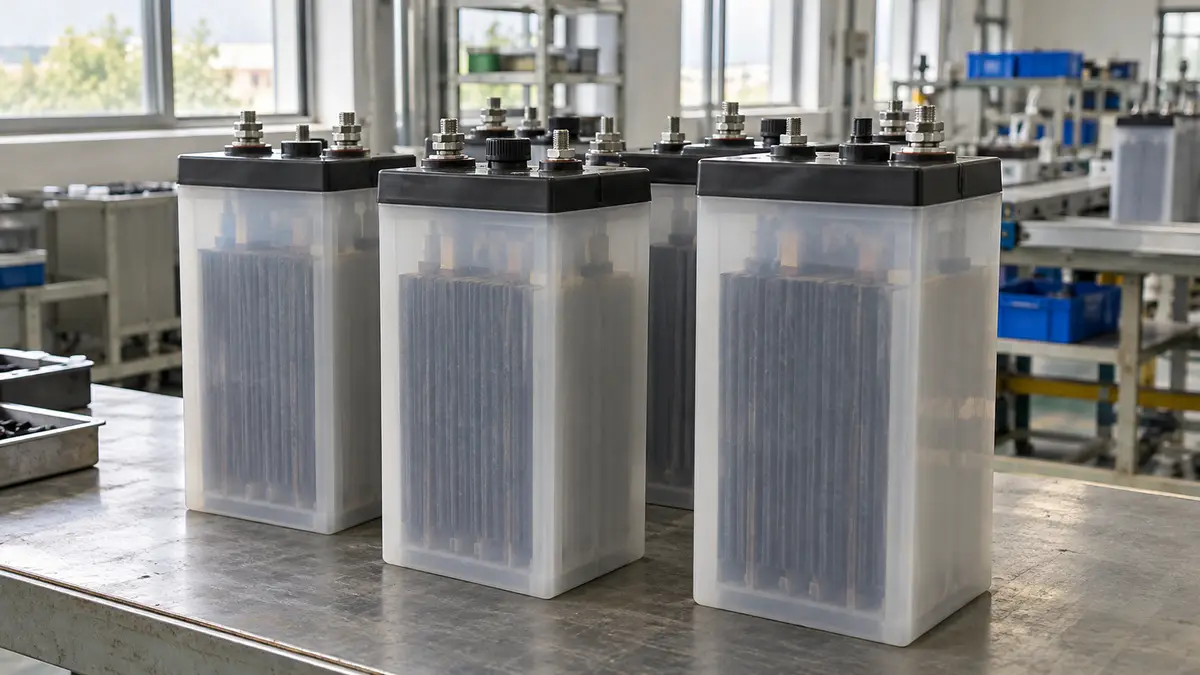
Nickel-iron battery duty and classification
Read from the UK Trade Tariff on 29 September 2026, heading 8507 covers electric accumulators and their separators. Nickel-iron batteries belong within other accumulators under 8507 80 00 90, carrying 0% duty from China. Separately imported separators and other battery parts in the table carry 2%. These lines show no anti-dumping or countervailing duty. The complete-battery line has no suspension; the parts suspensions are restricted to named products, not a general relief for nickel-iron spares.
The tariff attaches import and export controls on mercury to the complete-battery line, and export controls on mercury to the parts lines. Mercury controls concern products with intentionally added mercury or mercury compounds. Obtain the factory's composition declaration and ask your customs broker to confirm the import-control requirement for the actual goods from China. The tariff flag alone does not establish that nickel-iron batteries are prohibited.
Confirm the commodity code using the chemistry, construction and whether the shipment contains complete cells or separate parts. The parts rows are classification options, not additional nickel-iron battery types. For the wider heading, see industrial nickel-cadmium batteries. For sodium-ion chemistry, see our sodium-ion battery sourcing guide. For the reverse trade route, see exporting batteries to China. See our vanadium flow battery sourcing guide.
| Goods | Commodity code | Duty | Anti-dumping or countervailing duty on China |
|---|---|---|---|
| Other accumulators, including nickel-iron batteries | 8507 80 00 90 | 0% | None |
| Other plastic-film battery separators, thickness not exceeding 40 micrometres | 8507 90 31 90 | 2% | None |
| Other battery separators | 8507 90 39 90 | 2% | None |
| Other battery parts | 8507 90 80 90 | 2% | None |
Specify the cells, electrolyte and charger together
State nickel-iron chemistry explicitly. Agree rated capacity, the discharge conditions used to measure it, cell dimensions, terminal arrangement, inter-cell links and rack layout. Request a discharge curve for the offered model and agree an acceptance test using the same conditions. Do not accept a capacity figure without its test method.
Specify whether cells arrive filled or dry, who supplies the electrolyte, and the filling, commissioning and maintenance instructions. Ask for the recommended charging settings, watering procedure and installation ventilation guidance. Check that the proposed charger can follow the cell maker's charging regime. Agree replacement vent caps, seals and links against drawings.
For sale in Great Britain, confirm the applicable crossed-out wheeled bin marking and battery substance restrictions with the relevant authority. Ask whether your role as a UK importer first making batteries available on the UK market makes you the producer. If classified as industrial batteries and you are the producer, register with the Office for Product Safety and Standards within 28 days of first placing them on the market. Confirm any annual reporting and waste-battery take-back obligations, and check the applicable battery market rules separately for Northern Ireland.
Worked duty example
Illustrative example, not a quote: Illustrative order, not a quotation: 200 nickel-iron cells for stationary battery banks under 8507 80 00 90, invoiced at £12,000 free on board, with £600 of freight and insurance to the UK. The customs value is £12,600. Duty at 0% is £0. Import VAT at 20% is charged on the customs value plus duty, £12,600, so it is £2,520. With no duty, the only import tax is the VAT, which a VAT-registered importer can usually reclaim. The import duty and VAT guide explains each step.
Inspection checklist
Identity: match cell chemistry, model and batch identification to the approved specification and composition declaration.
Performance: sample the delivered batch for capacity testing under the agreed charge and discharge conditions; record results by cell.
Condition: inspect cases, terminal seals and vent caps for damage or leakage; confirm polarity, connector fit and electrolyte supply against the packing list.
Documents and marking: check the crossed-out wheeled bin symbol, commissioning instructions, charging settings and maintenance information against the supplied model. Agree the scope of quality inspection before shipment.
Working out your own order? Send us the product on WhatsApp and we reply the same working day: WhatsApp us
What goes wrong
A capacity claim measured under different conditions can make an unsuitable cell appear acceptable. An incompatible charger, missing commissioning instructions or unclear electrolyte supply can leave a delivered battery bank unusable. Treat these as acceptance points in the purchase order and test the proposed cell and charger combination before approving bulk supply.
Damaged seals, missing links and replacement caps that do not fit cause arrival disputes. Compare the bulk shipment with approved drawings and retain batch records. Avoid turning an unsupported cycle-life claim into your own customer promise; agree the test basis and warranty remedy with the supplier.
Cambridge China Bridge sources these products for UK businesses, checking the factory and the documents before shipment. See factory verification. For components and parts, see sourcing for manufacturers.
Frequently asked questions
What is the UK import duty on nickel-iron batteries from China?
Complete nickel-iron batteries under 8507 80 00 90 carry 0% duty. Separately imported battery parts normally carry 2%. The supplied tariff facts show no anti-dumping or countervailing duty on these lines.
Do nickel-iron batteries need lithium battery test documents?
Do not use a lithium battery report to approve nickel-iron cells. Ask for model-specific capacity results, composition information and commissioning instructions, and agree shipment acceptance with your forwarder.
Am I the battery producer if I import nickel-iron cells?
Ask the relevant authority whether having a UK business presence and being first in the selling chain to make the batteries available on the UK market makes you a battery producer. Confirm the battery category before arranging registration and checking any reporting and take-back obligations.
What should I check before buying a nickel-iron battery bank?
Match the cells to the charger, agree capacity-test conditions, and specify filled or dry delivery, electrolyte supply, commissioning, maintenance, connectors and replacement parts.