Sourcing leather brogue shoes from China
Leather brogue shoes from China carry 8% duty on the closed-upper lines shown here; heading 6403 ranges from 4% to 8%. Confirm with Trading Standards the composition labelling requirements for the upper, lining and sock, and outer sole of footwear sold in the UK. Specify the leather, sole construction and fit before ordering. Cambridge China Bridge sources leather brogue shoes.
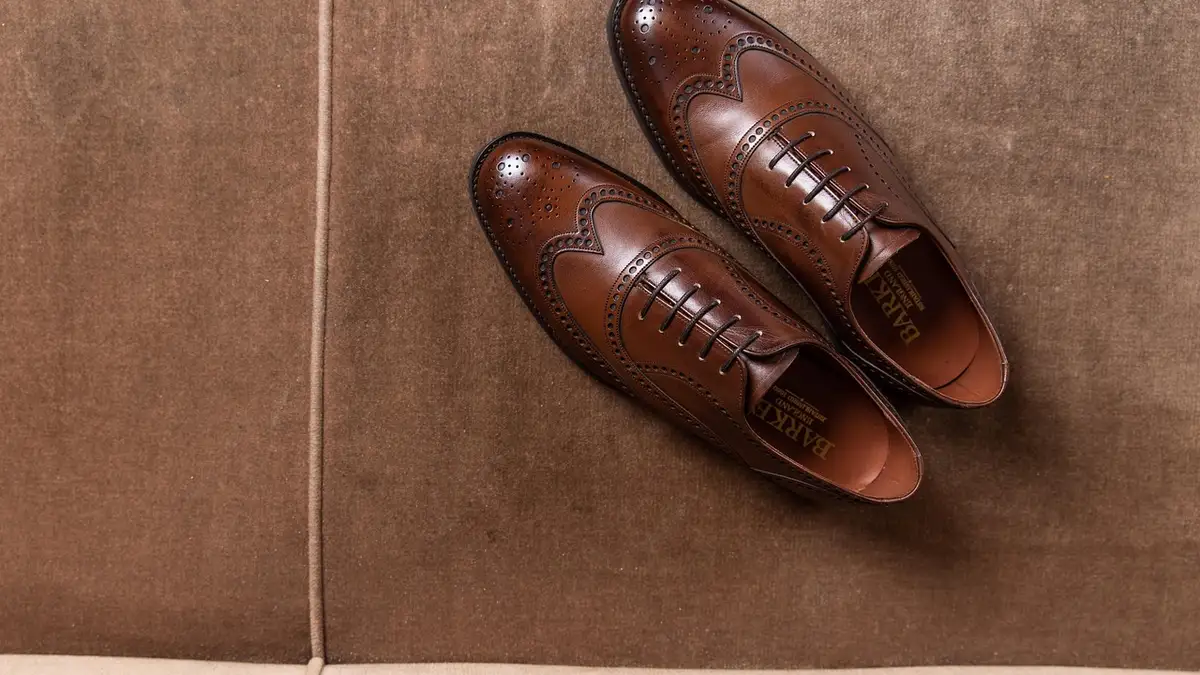
Duty depends on the sole and construction
Heading 6403 covers leather-upper footwear with outer soles of rubber, plastics, leather or composition leather. Read from the UK Trade Tariff on 29 September 2026, the closed-upper brogue lines shown carried 8% duty from China. The wider heading ranges from 4% to 8%. The selected lines record no anti-dumping or countervailing duty and no tariff suspension.
The selected lines attach CITES and seal-product import controls; the leather-soled lines also attach cat and dog fur controls. CITES-listed species require the relevant permits. Seal products face an import ban with limited exceptions, and cat and dog fur products cannot be imported. For a shipment from China, give your customs broker the leather species and lining details to confirm the applicable documents and any exemption before ordering.
Confirm the sole material, ankle coverage, intended wearer and measured insole length using finding your commodity code. Do not select a cut-out-vamp code simply because a brogue has decorative punching: ask your broker to assess the actual construction. For wider leather-footwear context, see leather penny loafers. For riding footwear, see our leather riding boots sourcing guide. For golf footwear, see our leather golf shoes sourcing guide. For cricket footwear, see sourcing leather cricket shoes.
| Goods | Commodity code | Duty | Anti-dumping or countervailing duty on China |
|---|---|---|---|
| Closed-upper brogues, leather soles, not covering ankle, insoles under 24 cm | 6403 59 91 00 | 8% | None |
| Men's closed-upper brogues, leather soles, not covering ankle, insoles 24 cm or more | 6403 59 95 00 | 8% | None |
| Closed-upper brogues, rubber or plastic soles, not covering ankle, insoles under 24 cm | 6403 99 91 90 | 8% | None |
| Men's closed-upper brogues, rubber or plastic soles, insoles 24 cm or more, below ankle | 6403 99 96 90 | 8% | None |
Specify the leather, brogue pattern and fit
Agree the leather species, grade, finish and colour, including acceptable variation between hides. Define the wingtip or toe-cap outline, punched pattern, edge serration and whether holes pass through the lining. Specify open or closed lacing, last shape, fitting width, size allocation, lining, insole and heel construction. Keep an approved pair and pattern drawings for production comparison.
Specify cemented or welted sole attachment and how the factory will demonstrate the construction. Confirm footwear composition labelling requirements for the upper, lining and sock, and outer sole materials with Trading Standards. Agree the label artwork against the actual materials. Confirm applicable REACH restrictions on chromium VI and azo dyes in skin-contact leather and textiles with the relevant authority; request relevant testing for the production materials.
Worked duty example
Illustrative example, not a quote: 80 pairs of men's leather brogue shoes; illustrative order, FOB and freight under 6403 99 96 90, invoiced at £3,000 free on board, with £135 of freight and insurance to the UK. The customs value is £3,135. Duty at 8% is £250.80. Import VAT at 20% is charged on the customs value plus duty, £3,385.80, so it is £677.16. Import taxes total £927.96; a VAT-registered importer can usually reclaim the VAT, so the lasting cost is the £250.80 of duty. The import duty and VAT guide explains each step.
Inspection checklist
Pattern: compare toe-cap alignment, punching and serrated edges against the approved pair; check left and right shoes match and holes have clean edges.
Fit: check the size allocation, insole length, fitting width, heel hold and lacing adjustment; try production pairs against the approved fitting sample.
Construction: inspect sole attachment, welt stitching where specified, heel security, lining seams, loose threads and adhesive marks; agree bond and flex checks before production.
Materials and packing: compare leather colour and finish, check composition labels against the specification, review chemical test reports and inspect boxes for dampness or mould.
Working out your own order? Send us the product on WhatsApp and we reply the same working day: WhatsApp us
What goes wrong
Brogues can look acceptable individually but fail as pairs: wingtip edges sit at different heights, punched patterns drift, and burnished toes differ in colour. Thick coatings can obscure the leather finish, while rough perforations or lining seams rub the foot. Approve paired samples and record acceptable appearance and fit before production.
A changed sole or lining can undermine the approved sample, label artwork and classification assumptions. Sole separation and damp packaging also cause arrival failures. Compare production materials with the agreed specification and record defects before releasing stock for sale.
Cambridge China Bridge sources these products for UK businesses, checking the factory and the documents before shipment. See factory verification. For own-brand ranges, see sourcing for brands. For trade in the opposite direction, see exporting UK leather shoes to China.
Frequently asked questions
What is the UK import duty on leather brogues from China?
Read from the UK Trade Tariff on 29 September 2026, the closed-upper brogue lines shown carried 8% duty from China, with no recorded anti-dumping or countervailing duty.
Do brogue perforations make the shoe a cut-out style?
Do not assume this from the name or decorative punching. Give your customs broker photographs and construction details, including whether holes pass through the lining, to confirm the code.
What labels do leather brogue shoes need?
Confirm with Trading Standards whether a composition label showing the upper, lining and sock, and outer sole materials is required, and whether pictograms or words are appropriate. Match the artwork to the materials actually used in production.
What should I ask the factory to test?
Agree sole bonding, flexing, heel attachment, colour transfer and fit checks. Request relevant chromium VI and azo-dye testing for skin-contact leather and textile materials.