Sourcing leather penny loafers from China
The selected closed-vamp leather penny loafer lines from China carry 8% UK duty, so the range here is 8% to 8%. Confirm composition-labelling requirements for the upper, lining and sock, and outer sole materials with the relevant authority. Agree the last and heel fit before production. Cambridge China Bridge sources leather penny loafers.
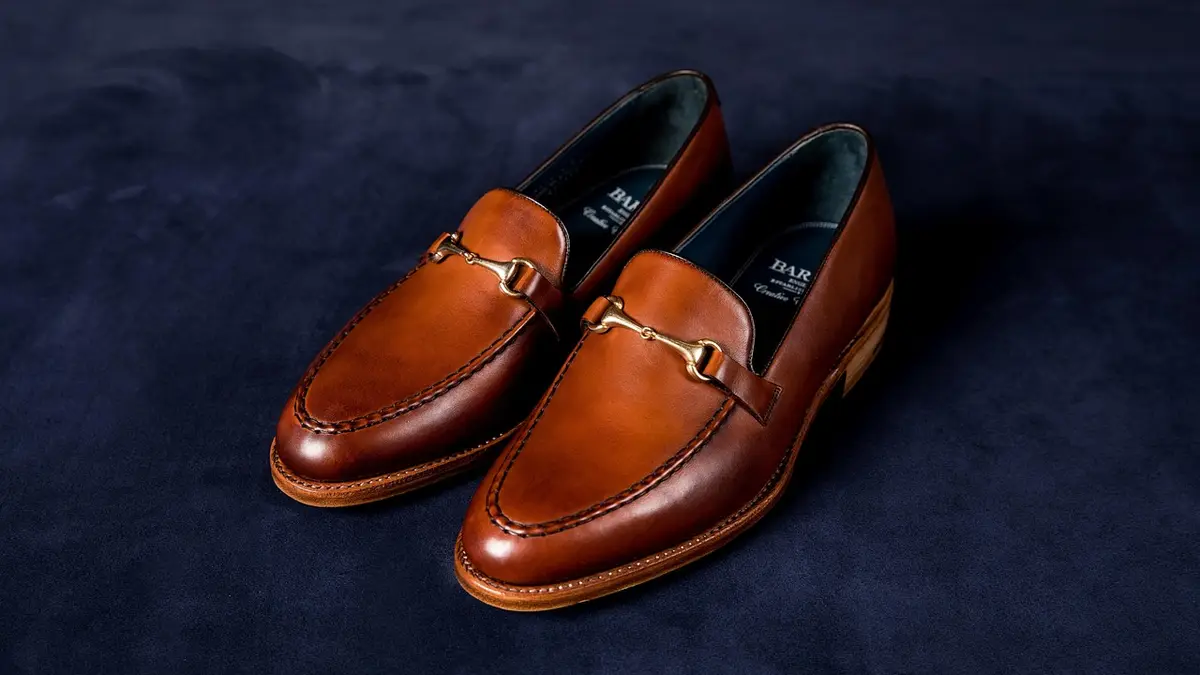
Duty depends on the sole and construction
Read from the UK Trade Tariff on 29 September 2026, the selected penny loafer lines carried 8% duty on goods from China, with no listed anti-dumping or countervailing duty and no suspensions. Heading 6403 covers leather uppers with rubber, plastics, leather or composition-leather outer soles. These rows concern shoes that do not cover the ankle; they are not a complete list of women's or cut-out styles.
The selected lines attach CITES and seal-product import controls; the leather-soled lines also attach cat and dog fur controls. CITES-listed leather needs the relevant permit checks before import from China. Cat and dog fur and products made from it are prohibited. Seal products are restricted to limited exceptions; confirm any claimed exception and its documentation with your customs broker before ordering.
Specify the outer sole material, insole length, intended wearer and whether the vamp is closed or cut out, then confirm the commodity code. The slot in a penny saddle should not be treated automatically as a cut-out in the underlying vamp. For the wider product family, see leather dress shoes.
| Goods | Commodity code | Duty | Anti-dumping or countervailing duty on China |
|---|---|---|---|
| Closed-vamp leather-soled loafers, insole under 24 cm | 6403 59 91 00 | 8% | None |
| Men's closed-vamp leather-soled loafers, insole 24 cm or more | 6403 59 95 00 | 8% | None |
| Closed-vamp rubber or plastic-soled loafers, insole under 24 cm | 6403 99 91 90 | 8% | None |
| Men's closed-vamp rubber or plastic-soled loafers, insole 24 cm or more | 6403 99 96 90 | 8% | None |
Specify the penny saddle, last and leather
State the leather species, finish, colour, lining and sock materials, sole construction and heel attachment. Draw the saddle shape and slot, apron seam and toe profile. Agree whether the sole is cemented or stitched, and retain an approved sample showing the actual construction rather than relying on a style photograph.
Approve slip-on fit across the size run: instep pressure, heel retention and toe room matter because there are no laces to adjust. Ask the relevant authority to confirm applicable REACH chromium VI restrictions for skin-contact leather and azo dye restrictions for the relevant leather and textile parts. Agree production-material testing through testing and certification.
Worked duty example
Illustrative example, not a quote: Illustrative order: 80 pairs of men's leather penny loafers; illustrative FOB and freight values under 6403 99 96 90, invoiced at £3,000 free on board, with £135 of freight and insurance to the UK. The customs value is £3,135. Duty at 8% is £250.80. Import VAT at 20% is charged on the customs value plus duty, £3,385.80, so it is £677.16. Import taxes total £927.96; a VAT-registered importer can usually reclaim the VAT, so the lasting cost is the £250.80 of duty. The import duty and VAT guide explains each step.
Inspection checklist
Fit: compare production pairs with the approved last and fitting samples; check heel slip, instep pressure and left-to-right consistency.
Leather and saddle: check colour matching, grain, finish rub-off, saddle alignment, slot shape and apron stitching.
Sole and heel: check bonding, stitching, flexing and heel attachment; look for lifting edges, exposed glue and uneven heel seating.
Labels and packing: match composition labels to the agreed materials and boxes to the size run; inspect for damp cartons, mould and crushed uppers. Set the sampling brief using quality inspection.
Working out your own order? Send us the product on WhatsApp and we reply the same working day: WhatsApp us
What goes wrong
A sample can fit while bulk pairs slip at the heel or pinch over the instep if the last, lining thickness or lasting changes. Saddle placement and apron stitching can also vary between shoes. Record these features in the approved sample and reject unapproved material or construction substitutions.
Sole separation, colour transfer and mould can make otherwise tidy pairs unsaleable. Check production bonding and finish performance, and agree dry packing with shape support. A generic leather test report should not replace checks on the actual upper and lining materials used for your order.
Cambridge China Bridge sources these products for UK businesses, checking the factory and the documents before shipment. See factory verification. For own-brand ranges, see sourcing for brands.
Frequently asked questions
What is the UK import duty on leather penny loafers from China?
The selected closed-vamp loafer lines carried 8% duty on 29 September 2026, with no listed anti-dumping or countervailing duty or suspensions. Confirm the code for your sole material, wearer and insole length.
Does the penny slot make a loafer a cut-out shoe?
Do not assume it does. Show your broker whether the slot is only in the decorative saddle or also cuts through the underlying vamp, alongside the sole material and insole length.
What labels do leather penny loafers need?
Composition labels identify the upper, lining and sock, and outer sole materials. Agree the artwork against the actual materials before production and check it on finished pairs.
What should I check before approving bulk production?
Approve the last, heel retention, instep fit, leather finish, saddle shape and sole attachment. Keep a signed sample and agree chemical testing on the production upper and lining materials.