Sourcing hydrogenated soybean oil from China
Hydrogenated soybean oil from China pays 8% UK duty in bulk packs or 12% in packs not exceeding 1 kg. Food ingredient descriptions must identify the oil as fully or partly hydrogenated. Specify the melting profile and verify each batch before shipment. Cambridge China Bridge sources hydrogenated soybean oil.
Buying from China for a business? How our UK China sourcing agent service works · China sourcing agent for small orders and first imports
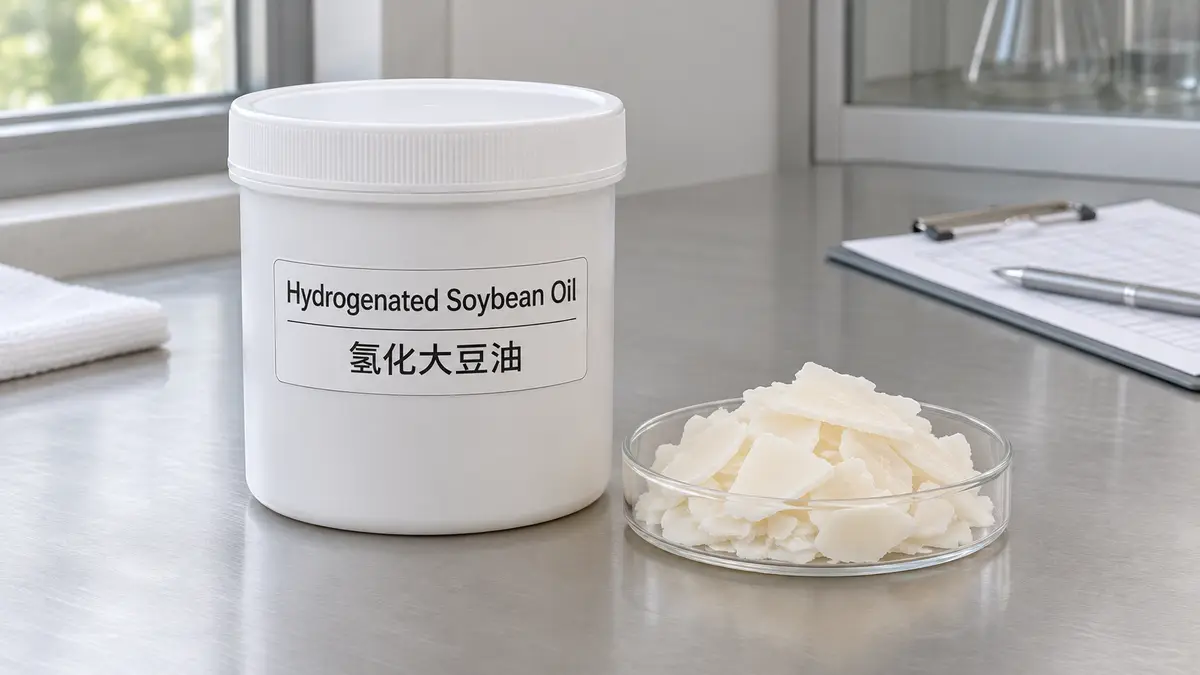
Duty on hydrogenated soybean oil
Read from the UK Trade Tariff on 29 September 2026, heading 1516 covers partly or wholly hydrogenated fats and oils, whether refined or not, but not further prepared. This guide covers hydrogenated soybean oil. The table repeats the relevant codes for fully and partly hydrogenated grades. See the wider fats and oils guide.
Goods from China carry 8% under 1516 20 96 00 in packs over 1 kg, or 12% under 1516 20 91 00 in packs not exceeding 1 kg. Neither line lists anti-dumping or countervailing duty. The suspension on the bulk line applies only to specified jojoba oil, so it does not reduce soybean oil duty.
Both lines attach organic-product and waste import controls. For organic food, ask the exporter’s control body about the certificate of inspection and confirm the shipment requirement with your customs broker. Waste shipment controls apply only if the material is waste; confirm the applicable requirement with your broker if buying discarded or recovered oil. Confirm the commodity code against composition, processing and pack size.
| Goods | Commodity code | Duty | Anti-dumping or countervailing duty on China |
|---|---|---|---|
| Fully hydrogenated soybean oil, packs over 1 kg | 1516 20 96 00 | 8% | None |
| Fully hydrogenated soybean oil, packs not exceeding 1 kg | 1516 20 91 00 | 12% | None |
Specify hydrogenation and melting behaviour
State whether the soybean oil is fully or partly hydrogenated, whether it is refined, and whether any other oil or additive is present. Separate food and technical grades. Agree melting point, solid fat content across your processing temperatures, iodine value, acid value, peroxide value, moisture, colour and trans-fat analysis.
For food use, confirm applicable hygiene and contaminant requirements with the relevant food authority. Food ingredient descriptions must distinguish fully from partly hydrogenated oil. Agree batch analysis, storage conditions, shelf life and packing with the factory. Test a sample in your actual formulation before approving production; use testing and certification support to define the laboratory brief.
Worked duty example
Illustrative example, not a quote: Illustrative order: 2 tonnes of fully hydrogenated soybean oil in bulk packs under 1516 20 96 00, invoiced at £5,200 free on board, with £2,500 of freight and insurance to the UK. The customs value is £7,700. Duty at 8% is £616. Import VAT at 20% is charged on the customs value plus duty, £8,316, so it is £1,663.20. Import taxes total £2,279.20; a VAT-registered importer can usually reclaim the VAT, so the lasting cost is the £616 of duty. The import duty and VAT guide explains each step. This assumes the goods are standard-rated for VAT. Most food for human consumption is zero-rated, and animal feed can be too, in which case no import VAT is due, so check the rate for your product in HMRC's VAT Notice 701/14.
Inspection checklist
Identity: match the soybean source, hydrogenation description and declared additives to the purchase specification and batch certificate.
Performance: independently check melting behaviour, solid fat content and iodine value against the approved sample; compare trans-fat results with the agreed specification.
Condition: inspect arrival samples for rancid odour, discolouration and contamination; compare peroxide value, acid value and moisture with dispatch results.
Packing and records: check seals, liners, leakage, net contents, batch identification and storage records; match the delivered lot to its analysis and import documents.
Working out your own order? Send us the product on WhatsApp and we reply the same working day: WhatsApp us
What goes wrong
An oil can match the supplier’s product name yet melt differently in your process. Fully and partly hydrogenated grades can be confused, an undeclared blend can alter performance, and oxidation or damaged liners can spoil an otherwise acceptable batch. Agree measurable acceptance criteria and keep a retained dispatch sample for comparison.
A quotation can also wrongly assume that the bulk code’s jojoba suspension covers soybean oil. Check the exact tariff wording before costing the order, and resolve organic or waste paperwork before dispatch. Arrange quality inspection around the batch you will receive.
Cambridge China Bridge sources these products for UK businesses, checking the factory and the documents before shipment. See factory verification. For repeat volumes, see container programmes.
Frequently asked questions
What is the UK import duty on hydrogenated soybean oil from China?
The supplied tariff reading gives 8% for packs over 1 kg under 1516 20 96 00 and 12% for packs not exceeding 1 kg under 1516 20 91 00. Neither line lists anti-dumping or countervailing duty.
Does the bulk oil qualify for the tariff suspension?
No. The suspension recorded under 1516 20 96 00 applies only to specified hydrogenated and interesterified jojoba oil, not hydrogenated soybean oil.
How should hydrogenated soybean oil appear in food ingredients?
The indication of hydrogenated oil must be accompanied by fully hydrogenated or partly hydrogenated, as appropriate. Obtain the processing description from the factory before approving labels.
What should I test before accepting a batch?
Check melting behaviour, solid fat content, iodine value, trans-fat composition, peroxide value, acid value and moisture against your agreed specification. Compare arrival samples with the retained dispatch sample.