Sourcing hydrogenated fats from China
Ordinary UK duty on heading 1516 goods from China ranges from 2% to 12%, with conditional zero-duty suspensions and additional anti-dumping duty on biodiesel blends. Food labels must be accurate and not misleading; specify the oil source and treatment before ordering. Cambridge China Bridge sources hydrogenated and interesterified fats.
Buying from China for a business? How our UK China sourcing agent service works · China sourcing agent for small orders and first imports
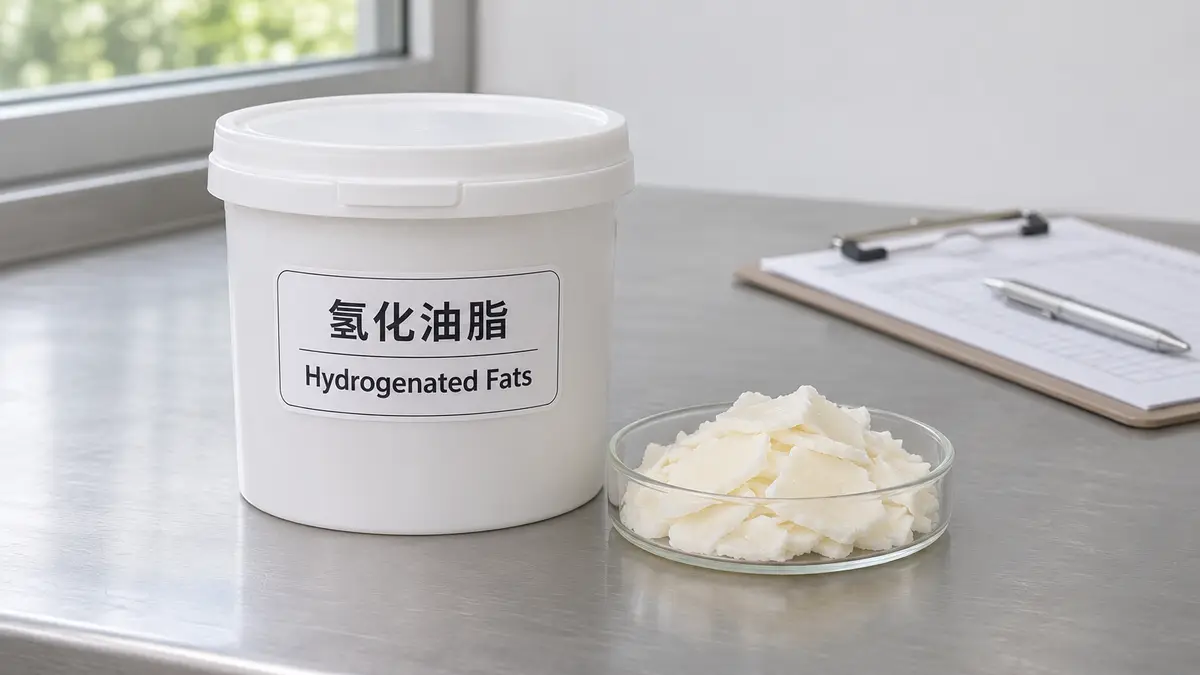
Duty depends on source, treatment and packing
Read from the UK Trade Tariff on 25 November 2026, heading 1516 covers animal, vegetable or microbial fats and oils, and their fractions, partly or wholly hydrogenated, inter-esterified, re-esterified or elaidinised, whether refined or not, but not further prepared. Agree the manufacturing process, composition, intended use and immediate packing before choosing a line. Prepared edible mixtures are covered separately in our margarine and fat blends guide.
Ordinary China duty ranges from 2% to 12%. Hydrogenated castor oil has a 0% suspension excluding mixtures and preparations. Under 1516 20 96 00, a 0% suspension covers only hydrogenated and interesterified jojoba oil without further chemical modification or texturisation, excluding mixtures and preparations. Biodiesel blend lines carry 10.90% ordinary duty plus 54.64% residual anti-dumping duty. The Canada-consigned blend line also lists a countervailing control, but the supplied data gives no residual countervailing rate.
The tariff attaches organic and waste controls to relevant lines, and veterinary, CITES and seal-product controls to animal-fat lines. It also lists anti-dumping or countervailing registration on biodiesel blend lines. Ask your customs broker to confirm the shipment-specific requirements, including the animal-product health entry document, seal-product eligibility and remedy registration. Confirm the commodity code against the full composition and process rather than the supplier's product name.
| Goods | Commodity code | Duty | Anti-dumping or countervailing duty on China |
|---|---|---|---|
| Hydrogenated castor oil | 1516 20 10 00 | 2% | None |
| Other treated vegetable fats and oils, packs not exceeding 1 kg | 1516 20 91 00 | 12% | None |
| Listed treated vegetable oils for technical or industrial use, excluding food manufacture | 1516 20 95 00 | 4% | None |
| Treated groundnut, cottonseed, soybean or sunflower oils; specified other oils | 1516 20 96 00 | 8% | None |
| Other treated vegetable fats and oils, excluding separately classified biodiesel blends | 1516 20 98 80 | 10% | None |
| Treated microbial fats and oils, packs not exceeding 1 kg | 1516 30 91 00 | 12% | None |
| Other treated microbial fats and oils | 1516 30 98 00 | 10% | None |
Specify the oil source and melting profile
Specify the botanical, animal or microbial source, whether hydrogenation is partial or complete, and whether the oil is interesterified or re-esterified. Agree fatty acid composition, melting behaviour, solid fat content, iodine value, acid value, peroxide value, moisture and impurities. Set the test methods, acceptance criteria, storage conditions and packing in writing. Ask for batch analysis and retain an approved sample.
For food use, check that the label is accurate and not misleading. For animal-origin food entering Great Britain, imports are permitted only from approved countries and establishments. Confirm that the particular Chinese origin and factory are eligible for the product before ordering. For CITES-listed species in Annex A, B or C, a permit is required; ask your broker to establish the relevant species and documentation.
For organic consignments from China, ask your broker to confirm the certificate of inspection requirement attached by the tariff. The certificate is issued by the exporter's control body in the country of export. For waste oils entering England under notification controls, the exporter must apply to the competent authority in China for consent. Confirm the complete waste-shipment route and requirements before loading.
Worked duty example
Illustrative example, not a quote: Illustrative order: 20 tonnes of hydrogenated rapeseed oil for industrial use; FOB value and freight are illustrative under 1516 20 95 00, invoiced at £30,000 free on board, with £2,500 of freight and insurance to the UK. The customs value is £32,500. Duty at 4% is £1,300. Import VAT at 20% is charged on the customs value plus duty, £33,800, so it is £6,760. Import taxes total £8,060; a VAT-registered importer can usually reclaim the VAT, so the lasting cost is the £1,300 of duty. The import duty and VAT guide explains each step. This assumes the goods are standard-rated for VAT. Most food for human consumption is zero-rated, and animal feed can be too, in which case no import VAT is due, so check the rate for your product in HMRC's VAT Notice 701/14.
Inspection checklist
Identity: match batch numbers, source oil and treatment records to the purchase specification and certificate of analysis.
Performance: test melting behaviour and solid fat content against the approved sample; check suitability in the intended bakery, formulation or industrial process.
Condition: check peroxide value, acid value, moisture, impurities, colour and odour on arrival, and compare results with the agreed limits.
Packing and records: check seals, leakage, container cleanliness and storage records; match labels and shipment documents to the actual batch. Use our inspection guide to plan sampling.
Working out your own order? Send us the product on WhatsApp and we reply the same working day: WhatsApp us
What goes wrong
A generic description such as hardened vegetable fat hides a change in source oil or treatment. The shipment then melts differently, gives the wrong texture or performs poorly in the buyer's formulation. Heat, oxygen exposure and damaged seals can also cause deterioration. Approve a production sample and compare each shipment with its analysis and process records.
Classification problems arise when further-prepared mixtures are treated as plain oils, or biodiesel content is omitted. A suspension can also be claimed for a preparation that its wording excludes. Ask for the full composition and processing history before agreeing the declaration, and use factory verification to assess the producer's equipment and batch records.
Cambridge China Bridge sources these products for UK businesses, checking the factory and the documents before shipment. See factory verification. For repeat volumes, see container programmes.
Frequently asked questions
What is the UK import duty on hydrogenated fats from China?
Ordinary duty ranges from 2% to 12%. Qualifying castor and jojoba oils have 0% suspensions.
Does hydrogenated castor oil qualify for zero duty?
1516 20 10 00 has a 0% suspension, but it excludes mixtures, preparations and products made up of different components containing the oil. Confirm the actual composition with your broker.
Can I import animal-origin hydrogenated oil from China?
For food entering Great Britain, the country and establishment must be approved for the product. Confirm the Chinese supplier's eligibility and the tariff's veterinary, CITES and seal-product controls before ordering.
What should I test before accepting a shipment?
Check identity, fatty acid composition, melting behaviour, solid fat content, peroxide value, acid value, moisture and impurities against the agreed specification and approved sample.
Sources
- UK Trade Tariff — commodity codes and duty
- Import animal products for human consumption to Great Britain
- Importing organic food, feed and seed to the UK
- Waste: export and import
- Check if you need a CITES permit to import or export endangered species
- Packaging and labelling
- HMRC — Food products (VAT Notice 701/14)