Sourcing hydrogenated cottonseed oil from China
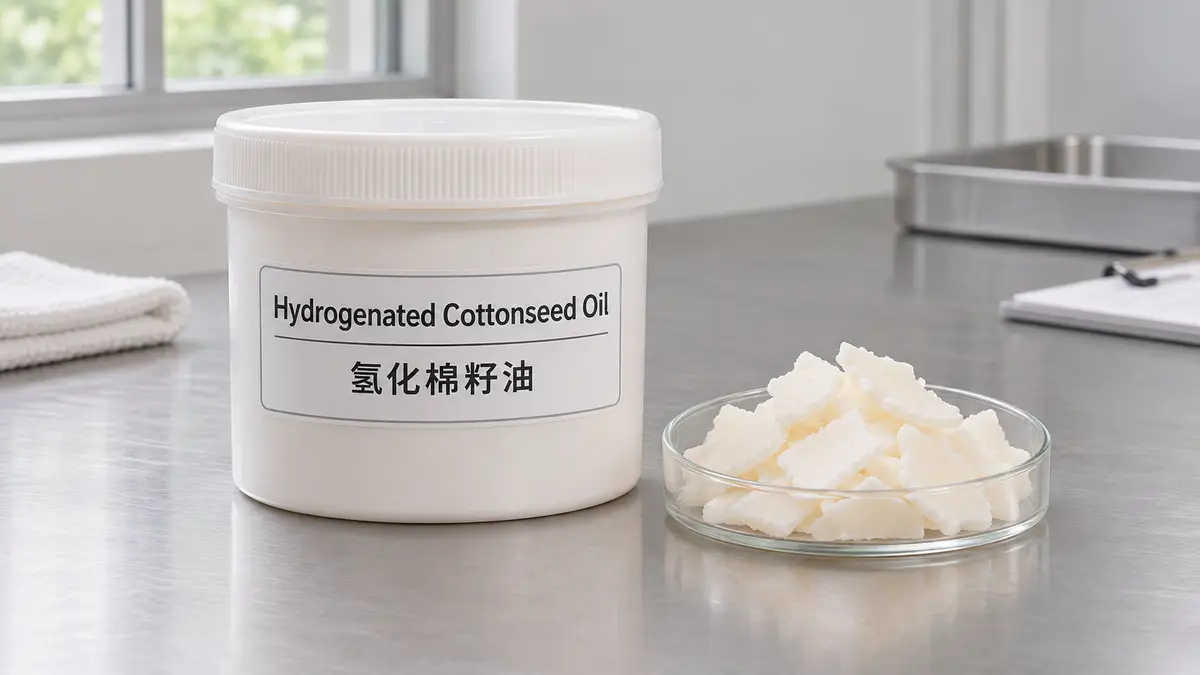
Hydrogenated cottonseed oil from China carries 8% UK duty in bulk and 12% in immediate packs not exceeding 1 kg. Food use needs hygiene and contaminant checks; specify full or partial hydrogenation and the melting profile. The jojoba-only suspension does not cover cottonseed oil. Cambridge China Bridge sources hydrogenated cottonseed oil.
Buying from China for a business? How our UK China sourcing agent service works · China sourcing agent for small orders and first imports
Cottonseed oil duty by packing size
Read from the UK Trade Tariff on 29 September 2026, heading 1516 covers partly or wholly hydrogenated fats and oils, whether refined or not, but not further prepared. This guide concerns cottonseed oil itself. For other oils and treatments, see the wider heading guide. The table separates full and partial hydrogenation within the same packing-based codes.
Chinese hydrogenated cottonseed oil in immediate packs exceeding 1 kg falls under 1516 20 96 00 at 8%; immediate packs not exceeding 1 kg fall under 1516 20 91 00 at 12%. Neither line records anti-dumping or countervailing duty. The suspension recorded against the bulk line applies only to specified hydrogenated and interesterified jojoba oil, not cottonseed oil.
Both lines carry organic-product and waste import controls. Confirm the consignment certificate requirement for organic goods from China, and any waste-control requirement, with your customs broker before shipping. Ask the relevant waste regulator which shipment documents or evidence of non-waste status are appropriate for the oils. For waste shipped under notification controls, the relevant authorities must consent before shipment. Confirm the commodity code using composition, processing history and immediate packing size.
| Goods | Commodity code | Duty | Anti-dumping or countervailing duty on China |
|---|---|---|---|
| Fully hydrogenated cottonseed oil, immediate packs over 1 kg | 1516 20 96 00 | 8% | None |
| Fully hydrogenated cottonseed oil, immediate packs not exceeding 1 kg | 1516 20 91 00 | 12% | None |
Specify hydrogenation and the melting profile
Specify cottonseed oil as the sole oil source, full or partial hydrogenation, refining and deodorisation, intended food or technical use, and any additives. Agree the melting range, solid fat profile, iodine value, free fatty acids, peroxide value, moisture and impurities. For food use, request trans-fat analysis and evidence addressing residual gossypol. Set acceptance criteria with your laboratory rather than accepting an unspecified supplier grade.
Confirm the applicable food hygiene, labelling and contaminant requirements for food-grade oil with the relevant food authority. Cooking oils do not normally need an import health certificate. Organic importers must be based and certified in the UK; the exporter’s control body issues the certificate of inspection. Confirm the organic route before accepting that claim. Agree packing, storage conditions, remaining shelf life and batch traceability, and use factory verification to check the producer’s processing and laboratory capability.
Worked duty example
Illustrative example, not a quote: Illustrative order: 2 tonnes of fully hydrogenated cottonseed oil in bulk packing under 1516 20 96 00, invoiced at £5,200 free on board, with £2,500 of freight and insurance to the UK. The customs value is £7,700. Duty at 8% is £616. Import VAT at 20% is charged on the customs value plus duty, £8,316, so it is £1,663.20. Import taxes total £2,279.20; a VAT-registered importer can usually reclaim the VAT, so the lasting cost is the £616 of duty. The import duty and VAT guide explains each step. This assumes the goods are standard-rated for VAT. Most food for human consumption is zero-rated, and animal feed can be too, in which case no import VAT is due, so check the rate for your product in HMRC's VAT Notice 701/14.
Inspection checklist
Identity: match the batch certificate of analysis, invoice and pack labels to cottonseed oil, the agreed hydrogenation treatment and declared additives.
Performance: independently sample the lot for melting behaviour, solid fat profile, iodine value and the agreed food or technical-use tests; compare results with the approved sample.
Condition: check for rancid or foreign odours, discolouration, moisture, damaged liners and leaking seals; review storage and transport records.
Documents: reconcile batch references, net contents, analysis results and any organic or waste documents. Agree sampling and release checks through the inspection guide.
Working out your own order? Send us the product on WhatsApp and we reply the same working day: WhatsApp us
What goes wrong
A generic description such as vegetable shortening can hide a different oil blend, additives or further preparation. A changed hydrogenation treatment can produce oil that melts differently in the buyer’s process. Compare composition and processing records with the purchase specification, then trial a production sample before approving dispatch.
Heat exposure, oxygen and damaged packing can leave a batch with off-odours or unsuitable oxidation results. Missing batch links also make analysis reports difficult to verify. Hold questionable stock pending investigation, and do not assume the jojoba suspension or an organic claim applies to the shipment.
Cambridge China Bridge sources these products for UK businesses, checking the factory and the documents before shipment. See factory verification. For repeat volumes, see container programmes.
Frequently asked questions
What is the UK import duty on hydrogenated cottonseed oil from China?
The supplied tariff snapshot shows 8% under 1516 20 96 00 for bulk oil and 12% under 1516 20 91 00 for immediate packs not exceeding 1 kg. Neither line records anti-dumping or countervailing duty.
Does the tariff suspension cover hydrogenated cottonseed oil?
No. The suspension on 1516 20 96 00 is restricted to specified hydrogenated and interesterified jojoba oil. Cottonseed oil carries the ordinary 8% duty.
Does food-grade hydrogenated cottonseed oil need a health certificate?
Cooking oils do not normally need an import health certificate. Confirm applicable food hygiene, labelling and contaminant requirements with the relevant food authority, and confirm the import route for the actual composition and intended use.
What should I ask a hydrogenated cottonseed oil supplier to test?
Ask for batch results for melting behaviour, solid fat profile, iodine value, free fatty acids, peroxide value, moisture and impurities. For food use, agree trans-fat and residual-gossypol checks with your laboratory.