Sourcing engine valve tappets from China
Engine valve tappets from China normally carry 2% UK duty under the petrol or diesel engine-parts lines, with no anti-dumping or countervailing duty shown. Consumer products supplied in Great Britain must be safe in normal or reasonably foreseeable use. Cambridge China Bridge sources engine valve tappets.
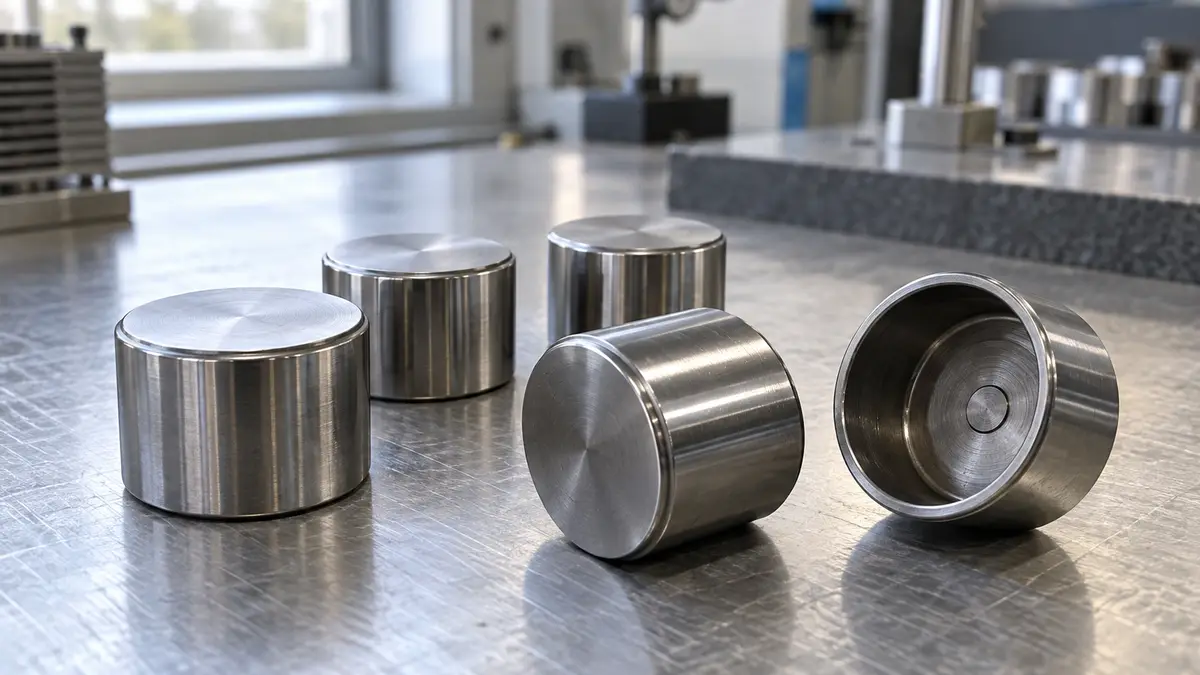
UK duty on engine valve tappets
Read from the UK Trade Tariff on 30 September 2026, heading 8409 covers parts suitable for use solely or principally with the specified internal combustion engines. Ordinary spark-ignition engine tappets are candidates for 8409 91 00 90; diesel engine tappets are candidates for 8409 99 00 90. The table separates solid and hydraulic designs within these shared commodity lines.
Both lines carry 2% duty for goods from China. The supplied tariff record shows no anti-dumping or countervailing duty and no attached import controls for these lines. It lists narrowly described suspensions, including some under authorised use, for other components sharing the codes. Those descriptions do not establish relief for ordinary valve tappets; budget at 2%.
Confirm the commodity code using the engine application, drawing and tappet construction before shipment. Do not classify a tappet as an intake or exhaust valve merely because both belong to the valve train. For related engine components, see the engine rocker arms guide. For intake manifolds, see our engine intake manifold sourcing guide. For valve guides, see our engine valve guide sourcing guide.
| Goods | Commodity code | Duty | Anti-dumping or countervailing duty on China |
|---|---|---|---|
| Solid valve tappets for spark-ignition engines, other | 8409 91 00 90 | 2% | None |
| Solid valve tappets for diesel engines, other | 8409 99 00 90 | 2% | None |
Specify tappet geometry and hydraulic behaviour
Identify the engine application, original equipment reference and drawing revision. Specify solid or hydraulic construction, bucket or roller design, body diameter, overall height, contact-face profile and oil-feed position. State the material, heat treatment, hardness and surface finish at the locations shown on the drawing.
For hydraulic tappets, agree the test oil, oil temperature, applied load, plunger travel and leak-down acceptance method with the factory. Approve a measured sample and a test-fit before releasing production. For consumer applications in Great Britain, general product safety rules require safe products in normal or reasonably foreseeable use.
Worked duty example
Illustrative example, not a quote: Illustrative batch of diesel engine valve tappets for a replacement-parts stockist under 8409 99 00 90, invoiced at £8,000 free on board, with £1,200 of freight and insurance to the UK. The customs value is £9,200. Duty at 2% is £184. Import VAT at 20% is charged on the customs value plus duty, £9,384, so it is £1,876.80. Import taxes total £2,060.80; a VAT-registered importer can usually reclaim the VAT, so the lasting cost is the £184 of duty. The import duty and VAT guide explains each step.
Inspection checklist
Dimensions: measure body diameter, height, contact-face geometry and oil-feed locations against the approved drawing; check fit in the intended tappet bore.
Material and finish: match batch certificates to the parts, check specified hardness and inspect contact faces for grinding damage, pits, burrs or coating defects.
Function: check hydraulic plunger movement and leak-down using the agreed method; check roller rotation and play where fitted.
Arrival and traceability: check corrosion protection, clean oil passages, carton identification and batch records before mixing stock. Use the inspection guide to plan the checks.
Working out your own order? Send us the product on WhatsApp and we reply the same working day: WhatsApp us
What goes wrong
A matching catalogue reference can hide a different body height, oil-feed position or contact-face profile. These differences can cause poor fit or incorrect valve clearance. Inadequate hardness or damaged contact surfaces can lead to wear; contamination or inconsistent internal clearances can make hydraulic tappets stick or lose adjustment.
Keep suspect batches separate and compare them with the approved sample before installation or resale. Investigate geometry, hardness and hydraulic test results together rather than accepting a visual match. Keep material and inspection records linked to the delivered batch.
Cambridge China Bridge sources these products for UK businesses, checking the factory and the documents before shipment. See factory verification. For machinery and equipment, see machinery imports.
Frequently asked questions
What is the UK import duty on engine valve tappets from China?
Ordinary petrol and diesel engine tappets normally carry 2% duty under 8409 91 00 90 or 8409 99 00 90. The supplied tariff record shows no anti-dumping or countervailing duty.
Do hydraulic and solid tappets use different commodity codes?
Construction alone does not establish a separate line in the supplied tariff record. Confirm the engine application and full specification; petrol and diesel tappets have different candidate lines.
What should I ask a Chinese tappet factory to test?
Ask for drawing-based dimensional and hardness results. For hydraulic tappets, agree plunger travel and leak-down tests with defined oil, temperature and load conditions.
Can I order tappets using only a vehicle part number?
Use the reference to identify fit, then confirm it against a drawing and approved sample. Specify contact geometry, oil-feed position, material and the functional test method before production.