Sourcing engine rocker arms from China
Engine rocker arms from China normally carry 2% UK duty for petrol and diesel piston engines; aircraft engine lines carry 0%. Specify the engine application, part number and drawing, then verify pivot fit, contact geometry and heat treatment before accepting production. Cambridge China Bridge sources engine rocker arms.
UK duty and rocker-arm classification
Read from the UK Trade Tariff on 30 September 2026, heading 8409 covers parts suitable solely or principally for the specified spark-ignition and compression-ignition engines. Replacement rocker arms for petrol piston engines generally fall under 8409 91 00 90; diesel engine rocker arms generally fall under 8409 99 00 90. Aircraft engine parts have separate lines, included here for specialist buyers.
The petrol and diesel residual lines carry 2% duty for goods from China; the aircraft lines carry 0%. The supplied tariff records show no anti-dumping or countervailing duty and no attached import controls for these lines. The residual engine-parts lines contain narrowly described suspensions, including authorised-use relief, but their supplied descriptions do not identify rocker arms. Do not assume that a suspension covers your order.
Confirm the commodity code against the engine application and the complete part description. Separate bearings, fasteners and other components can classify elsewhere. The engine valves guide covers a related product family within this heading. For pushrods, see our engine pushrod sourcing guide.
| Goods | Commodity code | Duty | Anti-dumping or countervailing duty on China |
|---|---|---|---|
| Rocker arms for spark-ignition piston engines | 8409 91 00 90 | 2% | None |
| Rocker arms for diesel piston engines | 8409 99 00 90 | 2% | None |
| Aircraft engine rocker arms, other | 8409 10 00 90 | 0% | None |
| Aircraft engine rocker arms for the specified duty-free aircraft category | 8409 10 00 20 | 0% | None |
Specify the pivot, contact geometry and engine fit
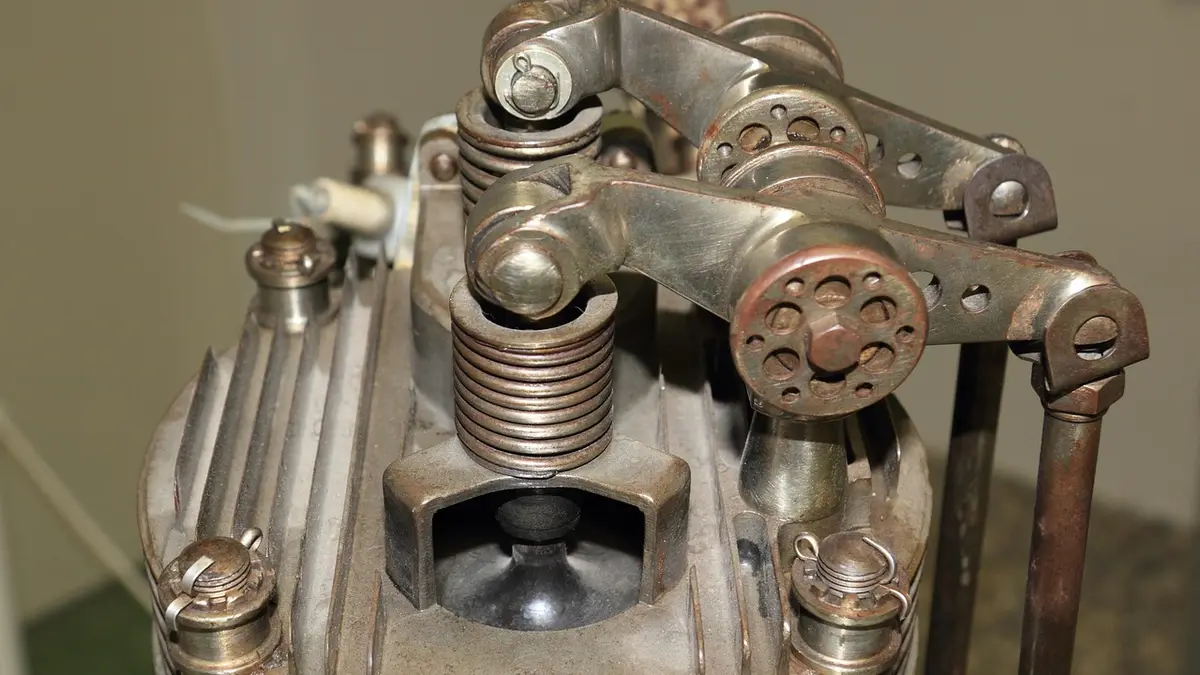
Send the factory the original equipment part number, engine application, drawing revision and a reference sample. Identify whether the rocker is shaft-mounted or uses a separate pivot, and whether it has a roller or a sliding contact pad. Specify the material, heat treatment, hardness test locations, pivot bore, oil passages, valve-tip contact geometry and any adjusting screw.
Agree an approval sample and a first-article dimensional report before production. Check fit with the intended shaft, pivot and valve arrangement rather than relying on a catalogue interchange list. Record whether bushes, rollers, pins and adjusters are supplied assembled. For branding, use your own marks unless the vehicle maker has authorised its trademark on the part or packaging.
Worked duty example
Illustrative example, not a quote: Illustrative batch of replacement diesel engine rocker arms for a parts distributor under 8409 99 00 90, invoiced at £8,000 free on board, with £1,200 of freight and insurance to the UK. The customs value is £9,200. Duty at 2% is £184. Import VAT at 20% is charged on the customs value plus duty, £9,384, so it is £1,876.80. Import taxes total £2,060.80; a VAT-registered importer can usually reclaim the VAT, so the lasting cost is the £184 of duty. The import duty and VAT guide explains each step.
Inspection checklist
Fit: compare part markings and drawing revision with the order; measure pivot bore, contact positions and alignment, and trial-fit samples in the intended assembly.
Material: match material and heat-treatment records to the production batch; check hardness at the agreed locations and examine the contact pad or roller for surface damage.
Movement and oiling: check roller rotation and side play where fitted, bush fit, adjuster threads and clear oil passages; look for burrs and machining debris.
Arrival and traceability: inspect for rust, impact damage and mixed part numbers; retain batch identification and check corrosion protection on machined surfaces. Use a written inspection brief.
Working out your own order? Send us the product on WhatsApp and we reply the same working day: WhatsApp us
What goes wrong
A similar-looking rocker can have the wrong pivot position or contact geometry. Poorly finished bores, blocked oil passages, loose roller pins and inadequate heat treatment can cause binding or premature wear. Quarantine mismatched or damaged batches and compare failures with the approved sample and inspection records before releasing replacement stock.
For vehicle aftermarket parts, producers and distributors must notify the competent authority immediately about safety issues with their parts. Keep complaint records linked to the supplied batch so that an investigation can identify affected stock and customers.
Cambridge China Bridge sources these products for UK businesses, checking the factory and the documents before shipment. See factory verification. For machinery and equipment, see machinery imports.
Frequently asked questions
What is the UK import duty on engine rocker arms from China?
Petrol and diesel piston-engine rocker arms generally carry 2% duty. Aircraft engine lines carry 0%. The supplied records show no anti-dumping or countervailing duty on these lines.
Can I claim a duty suspension for rocker arms?
Do not assume so. The residual engine-parts codes contain suspensions for narrowly described products, but the supplied suspension descriptions do not identify rocker arms.
What should I send a Chinese rocker-arm factory?
Send the engine application, original equipment part number, drawing and reference sample. Specify material, heat treatment, pivot fit, contact geometry and whether rollers, bushes and adjusters are included.
How do I check rocker arms when they arrive?
Check part numbers, batch records, pivot dimensions, contact alignment, roller movement and oil passages. Look for rust, burrs and impact damage, and trial-fit samples against the intended assembly.