Sourcing diamond grinding cup wheels from China
Diamond grinding cup wheels of agglomerated diamond from China carry 0% UK duty, with no anti-dumping or countervailing duty in the tariff snapshot. Specify the mounting and maximum speed, and request BS EN 13236 test evidence for the supplied design. Cambridge China Bridge sources diamond grinding cup wheels.
Buying from China for a business? How our UK China sourcing agent service works · China sourcing agent for small orders and first imports
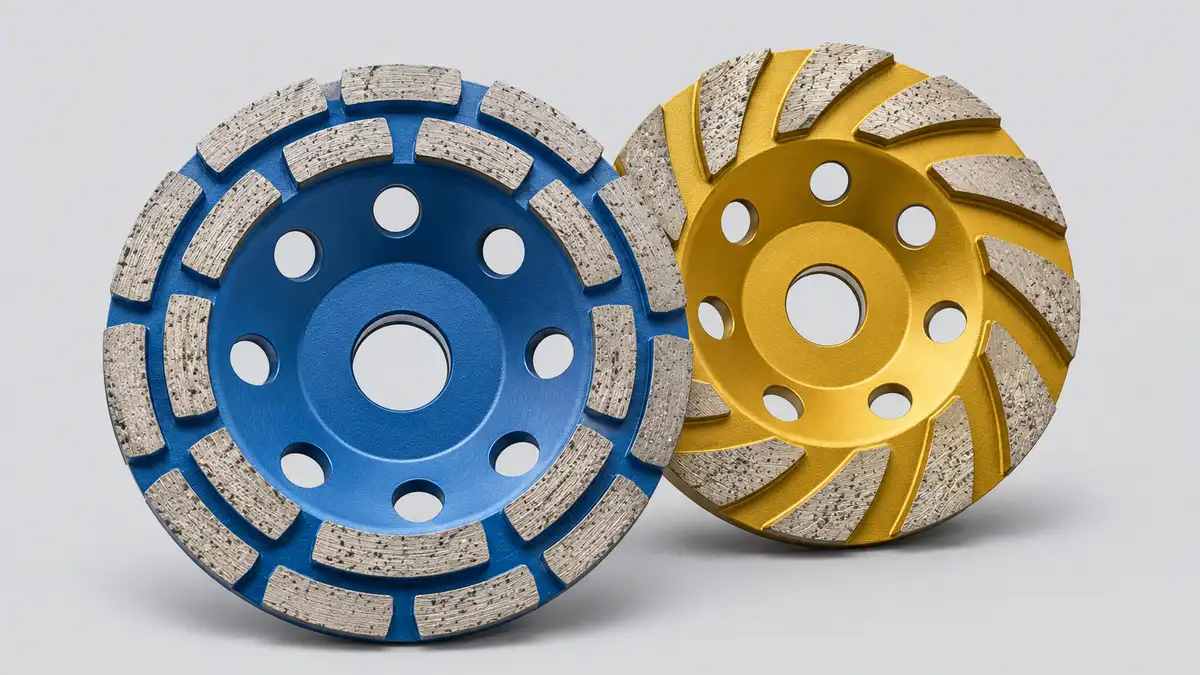
Duty on diamond grinding cup wheels
Read from the UK Trade Tariff on 1 October 2026, heading 6804 covers grinding wheels and related abrasive products without frameworks. Ordinary grinding cup wheels of agglomerated synthetic or natural diamond fall within the description of 6804 21 00 90. The table shows variants sharing that commodity line. For other abrasive products, see the grinding and cutting wheels guide.
The supplied snapshot records 0% duty for goods from China on this line, with no anti-dumping or countervailing measure and no suspension. It also attaches import and export waste controls. For waste imports from China into England under notification controls, shipment can start only after consent from the Environment Agency and the other competent authorities involved. Ask your customs broker to confirm the waste-control requirements for the actual consignment.
Confirm the diamond construction, mounting and intended grinding use before declaring the commodity code. Include a drawing and product photographs so the broker can distinguish the cup wheel from specialised semiconductor wheels and other abrasive tools.
| Goods | Commodity code | Duty | Anti-dumping or countervailing duty on China |
|---|---|---|---|
| Segmented grinding cup wheels of agglomerated diamond | 6804 21 00 90 | 0% | None |
Specify the bond, segments and grinder fit
State the material to be ground, the required surface finish and whether the wheel is intended for wet or dry use. Specify diamond grit, bond formulation, segment layout and height, cup diameter, bore or thread, mounting-face geometry and the maximum operating speed. Identify the intended grinder, flanges and dust shroud, and approve a sample on the same substrate.
Confirm with the relevant authority whether BS EN 13236 is applicable to the diamond wheels. Request test evidence matching the wheel design and supplied batch, alongside maximum-speed marking and use restrictions. For products intended for or foreseeably used by consumers in Great Britain, the General Product Safety Regulations 2005 apply; the product must be safe. Arrange a testing and certification review before approving production.
Worked duty example
Illustrative example, not a quote: 150 segmented diamond grinding cup wheels (illustrative) under 6804 21 00 90, invoiced at £2,500 free on board, with £150 of freight and insurance to the UK. The customs value is £2,650. Duty at 0% is £0. Import VAT at 20% is charged on the customs value plus duty, £2,650, so it is £530. With no duty, the only import tax is the VAT, which a VAT-registered importer can usually reclaim. The import duty and VAT guide explains each step.
Inspection checklist
Mounting: check the bore or thread against the drawing and target spindle, and confirm that the wheel seats correctly with the intended flanges and shroud.
Segments and core: check segment position, height and attachment, and look for cracks, loose segments, distortion or damaged mounting faces.
Marking and records: check maximum operating speed, dimensions, use restrictions and batch identification against the approved artwork and test evidence.
Grinding performance: check runout and balance, then compare removal rate, finish and wear with the approved sample using the agreed substrate and conditions. Record results through the quality inspection process.
Working out your own order? Send us the product on WhatsApp and we reply the same working day: WhatsApp us
What goes wrong
A wheel can fit the spindle yet foul the dust shroud or seat badly on the flange. Distorted cores cause vibration, weak segment attachment allows segments to detach, and a changed bond can alter removal rate and wear. A sample tested on different concrete or stone may give a misleading result.
Keep the approved drawing, substrate and sample with the inspection brief. Hold wheels with cracks, loose segments, mounting defects or conflicting speed markings for investigation. Check that the batch report identifies the supplied design rather than accepting a report for another wheel.
Cambridge China Bridge sources these products for UK businesses, checking the factory and the documents before shipment. See factory verification. For repeat volumes, see container programmes.
Frequently asked questions
What is the UK import duty on diamond cup wheels from China?
The supplied tariff snapshot records 0% duty under 6804 21 00 90, with no anti-dumping or countervailing measure and no suspension.
Which safety standard applies to diamond grinding cup wheels?
Ask for test evidence matching the supplied design and batch, and check maximum-speed marking and use restrictions.
Will a diamond cup wheel fit my angle grinder?
Check the bore or thread, mounting faces, flanges, maximum speed and clearance inside the dust shroud. Approve a sample on the intended grinder before ordering.
How do I check whether the diamond bond is suitable?
Trial the sample on the intended concrete or stone using the agreed wet or dry method. Compare removal rate, surface finish and wear, then retain that sample for batch checks.