Sourcing APFC panels from China
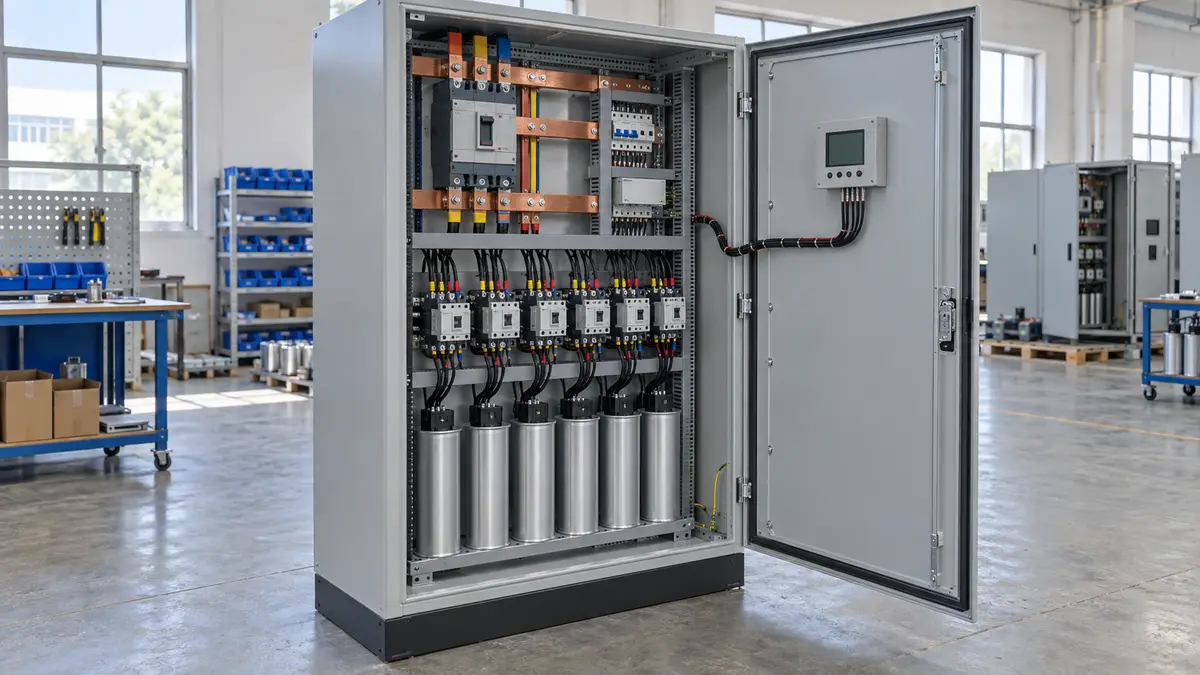
Automatic power factor correction panels from China normally pay 2% UK duty under heading 8537, with no anti-dumping duty in the supplied tariff record. Before selling low-voltage panels in Great Britain, confirm applicable electrical safety and electromagnetic compatibility requirements with the relevant authority. Cambridge China Bridge sources automatic power factor correction panels.
Duty on automatic power factor correction panels
Read from the UK Trade Tariff on 30 September 2026, the selected lines carried 2% duty for goods from China, with no anti-dumping or countervailing duty shown. Heading 8537 covers equipped panels for electrical control or distribution. An ordinary low-voltage automatic power factor correction panel is a candidate for 8537 10 98 99. The controller row concerns separately imported controllers; the higher-voltage rows concern assemblies rated for those voltages.
The low-voltage panel and controller lines show suspensions restricted to named products, not a general relief for correction panels. The higher-voltage lines show authorised-use relief for specified offshore wind substation manufacture. All selected lines attach a fluorinated greenhouse gas import control. Obtain a written statement of gas content. Products containing regulated fluorinated gas must be labelled; confirm the applicable customs declaration requirement with your broker.
Confirm the commodity code using the complete assembly drawings, rated voltage and supplied components. Do not classify a complete cabinet solely from its capacitor or controller description. For wider panel sourcing, see motor control centres. For photovoltaic assemblies, see our PV DC combiner box sourcing guide. For lift applications, see sourcing lift control panels. For generator applications, see our guide to sourcing generator synchronising panels.
| Goods | Commodity code | Duty | Anti-dumping or countervailing duty on China |
|---|---|---|---|
| Other low-voltage panels, including automatic power factor correction panels | 8537 10 98 99 | 2% | None |
| Other programmable memory controllers, if imported separately for panel control | 8537 10 91 99 | 2% | None |
| Other panels over 1,000 V but not over 72.5 kV | 8537 20 91 90 | 2% | None |
| Other panels over 72.5 kV | 8537 20 99 90 | 2% | None |
Specify capacitor steps and site conditions
Give the panel builder the supply voltage, frequency, load profile, target power factor and available fault-current information. Agree total reactive compensation, individual capacitor steps, switching method and current-transformer location and polarity. Supply harmonic measurements and ask the designer to explain the proposed reactor and capacitor selection. State enclosure protection, ventilation, ambient conditions, cable entries and access for maintenance.
For mains-voltage low-voltage panels, confirm with the relevant authority whether the Electrical Equipment (Safety) Regulations 2016 and Electromagnetic Compatibility Regulations 2016 apply, and which technical documentation, declaration of conformity, CE or UKCA marking and importer identification are required. Ask for assembly design verification and panel-specific routine test records, rather than relying only on component certificates. Use testing and certification to organise the evidence review.
Worked duty example
Illustrative example, not a quote: Illustrative order: 20 automatic power factor correction panels under 8537 10 98 99, invoiced at £30,000 free on board, with £1,800 of freight and insurance to the UK. The customs value is £31,800. Duty at 2% is £636. Import VAT at 20% is charged on the customs value plus duty, £32,436, so it is £6,487.20. Import taxes total £7,123.20; a VAT-registered importer can usually reclaim the VAT, so the lasting cost is the £636 of duty. The import duty and VAT guide explains each step.
Inspection checklist
Components: check capacitor ratings, step allocation, switching devices, discharge components and any reactors against the approved drawings and bill of materials. Record substitutions before accepting the cabinet.
Control response: witness staged switching with an agreed simulated load. Check current-transformer polarity, displayed power factor, switching delays, alarms and behaviour when the measurement signal is lost.
Assembly and transport: check protective circuit continuity, insulation and dielectric test records, terminal tightening, ventilation paths and cable identification. On arrival, inspect capacitor mountings, reactor supports, door seals and loose connections before commissioning.
Documents and labels: match the rating plate, schematic and test records to the delivered cabinet. Check conformity marking and importer details, plus gas information where relevant. Arrange quality inspection before dispatch.
Working out your own order? Send us the product on WhatsApp and we reply the same working day: WhatsApp us
What goes wrong
A quotation can match the requested total compensation while using an unsuitable step sequence or capacitor and reactor combination. Incorrect current-transformer polarity can make the controller respond in the wrong direction. Poorly chosen switching delays can cause repeated switching, while inadequate ventilation can overheat components. Have the designer review the actual site conditions and demonstrate the agreed control behaviour.
Component substitutions can invalidate the agreed build and leave the documentation describing a different assembly. Transport can also loosen heavy components and connections. Keep approved drawings, component identities and test records with each shipment, then resolve discrepancies before commissioning.
Cambridge China Bridge sources these products for UK businesses, checking the factory and the documents before shipment. See factory verification. For components and parts, see sourcing for manufacturers.
Frequently asked questions
What is the UK import duty on automatic power factor correction panels from China?
Ordinary low-voltage panels under 8537 10 98 99 carry 2% duty in the supplied tariff record, with no anti-dumping or countervailing duty shown. The listed suspensions are restricted to specified products.
Does a CE mark on the controller cover the complete panel?
Ask for the complete panel's declaration of conformity and technical documentation. A controller certificate alone does not establish conformity of the assembled cabinet.
Do I need reactors in a power factor correction panel?
Give the designer the site's harmonic measurements and load profile. Ask for a documented capacitor and reactor selection; do not choose solely from the requested total compensation.
What should I check when the panels arrive?
Compare the cabinet with approved drawings, inspect mountings and connections for transport damage, and match component ratings and test records. Confirm current-transformer wiring before commissioning.