Sourcing alfalfa pellets from China
Alfalfa pellets from China carry 0% UK duty, with no anti-dumping or countervailing measure shown in the supplied tariff reading. Feed sold in Great Britain must identify the responsible UK feed business on its label. Organic imports need separate checks. Cambridge China Bridge sources alfalfa pellets.
Buying from China for a business? How our UK China sourcing agent service works · China sourcing agent for small orders and first imports
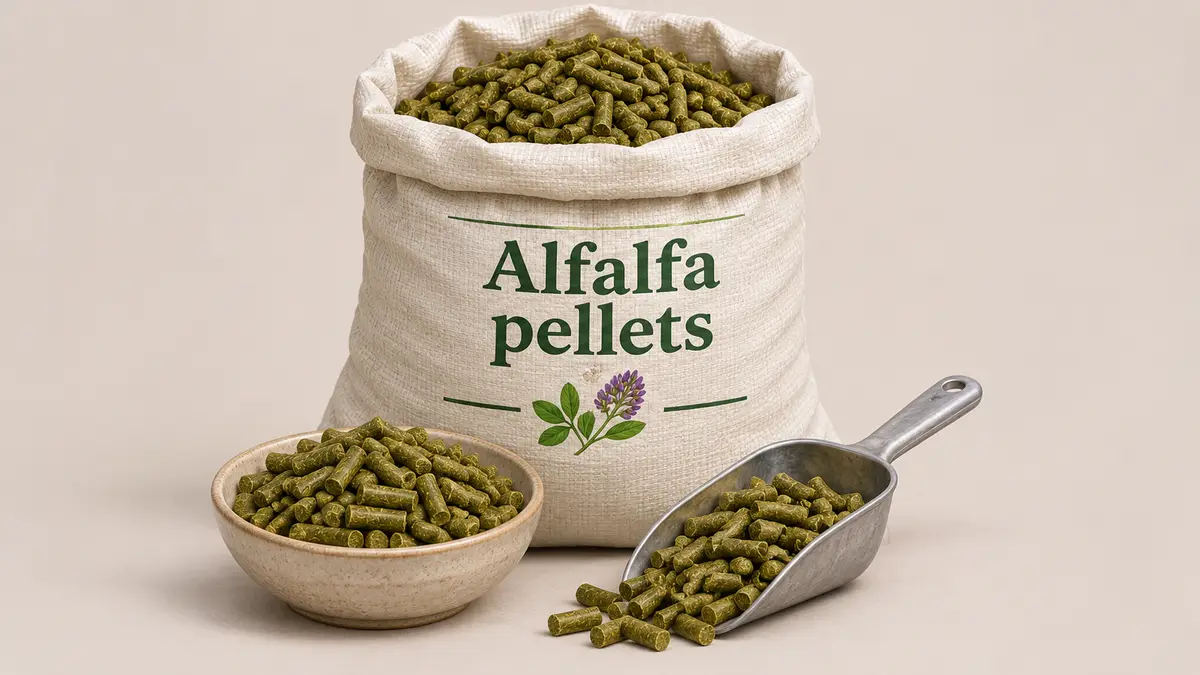
Alfalfa pellets: 0% duty
Read from the UK Trade Tariff on 29 September 2026, alfalfa meal and pellets under 1214 10 00 00 carried 0% duty for goods from China. The supplied reading shows no anti-dumping or countervailing measure and no suspension on this line. Heading 1214 also covers other forage products; this guide concerns alfalfa pellets.
The UK Trade Tariff attaches an import control of organic products to this line. For pellets offered as organic, confirm the applicable certificate of inspection and exporter recognition requirements with your customs broker and approved UK organic control body before shipment. The supplied alfalfa line does not show the import prohibition attached to the separate hay line.
Give your broker the complete ingredient list, processing description and intended use to confirm the commodity code, particularly if the pellets contain other ingredients. For other products in this heading, see sourcing forage.
| Goods | Commodity code | Duty | Anti-dumping or countervailing duty on China |
|---|---|---|---|
| Alfalfa pellets in bulk bags | 1214 10 00 00 | 0% | None |
Specify the alfalfa and pellet performance
Specify pure alfalfa or disclose every added ingredient, including binders. Agree the intended animal use, drying process, pellet diameter and length, durability, fines allowance and bag construction. Set contractual acceptance criteria for moisture, crude protein, fibre and ash, and state whether laboratory results are reported on a dry-matter or as-received basis.
For feed sold in Great Britain, the label must identify the responsible feed business by name and address. That operator must be based in the UK and registered or approved with the appropriate authority. In England and Wales, discuss feed-business registration with the local authority. Agree the artwork and arrange testing and certification support before printing bags.
Worked duty example
Illustrative example, not a quote: 500 kg of bagged alfalfa pellets; illustrative order, not a quotation under 1214 10 00 00, invoiced at £900 free on board, with £900 of freight and insurance to the UK. The customs value is £1,800. Duty at 0% is £0. Import VAT at 20% is charged on the customs value plus duty, £1,800, so it is £360. With no duty, the only import tax is the VAT, which a VAT-registered importer can usually reclaim. The import duty and VAT guide explains each step. This assumes the goods are standard-rated for VAT. Most food for human consumption is zero-rated, and animal feed can be too, in which case no import VAT is due, so check the rate for your product in HMRC's VAT Notice 701/14.
Inspection checklist
Identity: compare the delivered pellets with the approved sample and ingredient declaration; check for other forage, excessive stem material, stones and foreign matter.
Condition: inspect different bags for dampness, mould, musty odour, insects and damaged liners; retain samples linked to the delivery lot.
Pellet performance: measure diameter and length, sieve fines and assess breakage after handling against the agreed specification.
Analysis and labels: match moisture, protein, fibre and ash reports to the shipment lot; check the responsible UK business details and any organic paperwork. Plan sampling through the quality inspection guide.
Working out your own order? Send us the product on WhatsApp and we reply the same working day: WhatsApp us
What goes wrong
A green pellet can still have the wrong nutrient profile. Excess stem material changes fibre and protein, while added binders or other forage change the agreed composition. Weak pellets turn into dust during unloading. Compare representative samples and lot-specific analysis rather than accepting colour or a generic supplier report.
Damp pellets can cake or develop mould in sealed bags. Photograph wet packaging, separate suspect stock and investigate before distribution. Organic descriptions can also outrun the paperwork: settle the import-control requirements before dispatch rather than relying on the supplier's organic logo.
Cambridge China Bridge sources these products for UK businesses, checking the factory and the documents before shipment. See factory verification. For repeat volumes, see container programmes.
Frequently asked questions
What is the UK import duty on alfalfa pellets from China?
The supplied tariff reading shows 0% duty under 1214 10 00 00, with no anti-dumping or countervailing measure and no suspension on that line.
Can I import organic alfalfa pellets from China?
The tariff attaches an organic import control. Ask your broker and approved UK organic control body to confirm certificate of inspection and exporter recognition requirements before ordering.
What must the UK feed label identify?
For sale in Great Britain, it must name and give the address of the responsible feed business operator, which must be UK-based and registered or approved with the appropriate authority.
How do I check alfalfa pellet quality?
Agree moisture, protein, fibre, ash, dimensions and fines criteria. Inspect representative bags and match laboratory reports to the delivered lot, checking for dampness, mould and breakage.