Sourcing dried grass pellets from China
Dried grass pellets provisionally classified as other forage carry 0% duty; heading 1214 ranges from 0% to 4%. Chinese hay is outside the published import authorisation, so ask APHA how your pellets are treated before ordering. Cambridge China Bridge checks whether a product can be imported before any order is placed.
Buying from China for a business? How our UK China sourcing agent service works · China sourcing agent for small orders and first imports
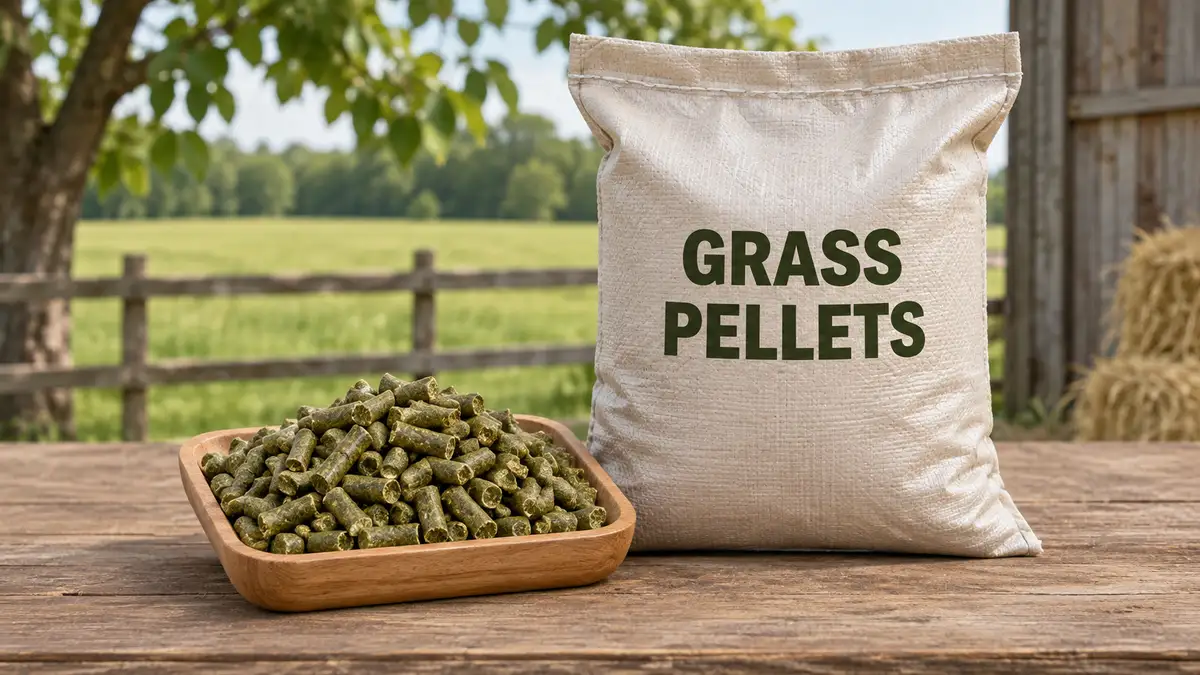
Zero duty does not establish import eligibility
Read from the UK Trade Tariff on 29 September 2026, heading 1214 covers forage products, including pellets. The other-forage line carries 0% duty from China, with no anti-dumping or countervailing duty or suspension recorded. Fodder roots carry 4%. The table includes neighbouring categories for comparison; they are not alternative codes to choose for the same pellets.
The snapshot attaches organic import controls to every listed line and an import prohibition to hay. Defra's published forage definition includes pelleted products other than lucerne meal and pellets. China is absent from the published hay authorisation: Chinese grass pellets treated as hay cannot enter under that authorisation. This scope assessment is an inference from those official sources; obtain APHA confirmation for the actual product before ordering.
For organic imports from China into Great Britain, arrange a certificate of inspection for each consignment and check the exporter’s control body and export country against the recognised registers. Have the broker confirm the commodity code using the species, ingredients and processing description. For the wider heading comparison, see alfalfa pellets.
| Goods | Commodity code | Duty | Anti-dumping or countervailing duty on China |
|---|---|---|---|
| Other forage products, including dried grass pellets subject to classification | 1214 90 90 90 | 0% | None |
| Hay, for comparison with dried grass pellets | 1214 90 90 20 | 0% | None |
| Lucerne meal and pellets, a separate forage category | 1214 10 00 00 | 0% | None |
| Mangolds, swedes and other fodder roots, heading comparison only | 1214 90 10 00 | 4% | None |
Specify the grass and the drying process
Describe the grass species, whether the material was field-dried or artificially dried, and how it was ground and pelleted. List binders, molasses and other ingredients rather than accepting a generic description such as forage pellets. Send this specification to APHA when asking about import eligibility.
Agree moisture, crude protein, fibre, ash, pellet diameter, durability and fines against the intended animal and feeding system. State whether analytical results are reported on a dry-matter or as-received basis. Keep an approved sample and agree packaging that protects against moisture.
Worked duty example
Illustrative example, not a quote: Illustrative only: 500 kg of dried grass pellets, conditional on import eligibility under 1214 90 90 90, invoiced at £900 free on board, with £900 of freight and insurance to the UK. The customs value is £1,800. Duty at 0% is £0. Import VAT at 20% is charged on the customs value plus duty, £1,800, so it is £360. With no duty, the only import tax is the VAT, which a VAT-registered importer can usually reclaim. The import duty and VAT guide explains each step. This assumes the goods are standard-rated for VAT. Most food for human consumption is zero-rated, and animal feed can be too, in which case no import VAT is due, so check the rate for your product in HMRC's VAT Notice 701/14.
Inspection checklist
Identity: match the declared grass species and ingredient list to production records, the approved sample and the batch analysis.
Pellet condition: check diameter, broken pellets, loose fines and handling durability against the agreed specification.
Moisture and contamination: sample across the lot for moisture and check for mould, musty odour, soil, stones and metal.
Packing and records: check bag seals, water damage and batch references against the analysis and shipment records. Use the inspection guide to brief the inspector.
Working out your own order? Send us the product on WhatsApp and we reply the same working day: WhatsApp us
What goes wrong
A supplier may describe compressed hay as dried grass pellets without explaining the raw material or processing. A favourable tariff line alone does not resolve the animal-health question. Where hay controls apply, consignments must enter through an approved border control post; goods failing import requirements may be rejected, re-exported or destroyed.
Quality failures include pellets breaking into dust, moisture entering damaged bags and inconsistent nutrient results between batches. Compare like-for-like analytical results and hold suspect stock apart while investigating. Keep the worked calculation illustrative until import eligibility is settled.
Cambridge China Bridge sources these products for UK businesses, checking the factory and the documents before shipment. See factory verification. For repeat volumes, see container programmes.
Frequently asked questions
What is the UK import duty on dried grass pellets from China?
The supplied tariff snapshot gives 0% for other forage under 1214 90 90 90, subject to classification. Heading 1214 ranges from 0% to 4%. Duty does not establish permission to import.
Can I import Chinese dried grass pellets into Great Britain?
Chinese-origin pellets treated as hay are outside the published hay import authorisation. Ask APHA to confirm the treatment of your species, ingredients and processing before ordering.
Do organic grass pellets need import paperwork?
For imports from China into Great Britain, organic guidance requires a certificate of inspection for each consignment and checks against the recognised organic registers.
What should I test in dried grass pellets?
Agree moisture, protein, fibre, ash, fines and durability checks. Match the batch analysis to the shipment and investigate mould, musty odour or foreign material before accepting the lot.