Sourcing forage from China
Forage under heading 1214 carries UK duty of 0% to 4% from China. Chinese hay cannot be imported into Great Britain under the published authorised-country rules. Organic consignments need separate checks; a zero duty rate does not establish permission to import. Cambridge China Bridge checks whether a product can be imported before any order is placed.
Buying from China for a business? How our UK China sourcing agent service works · China sourcing agent for small orders and first imports
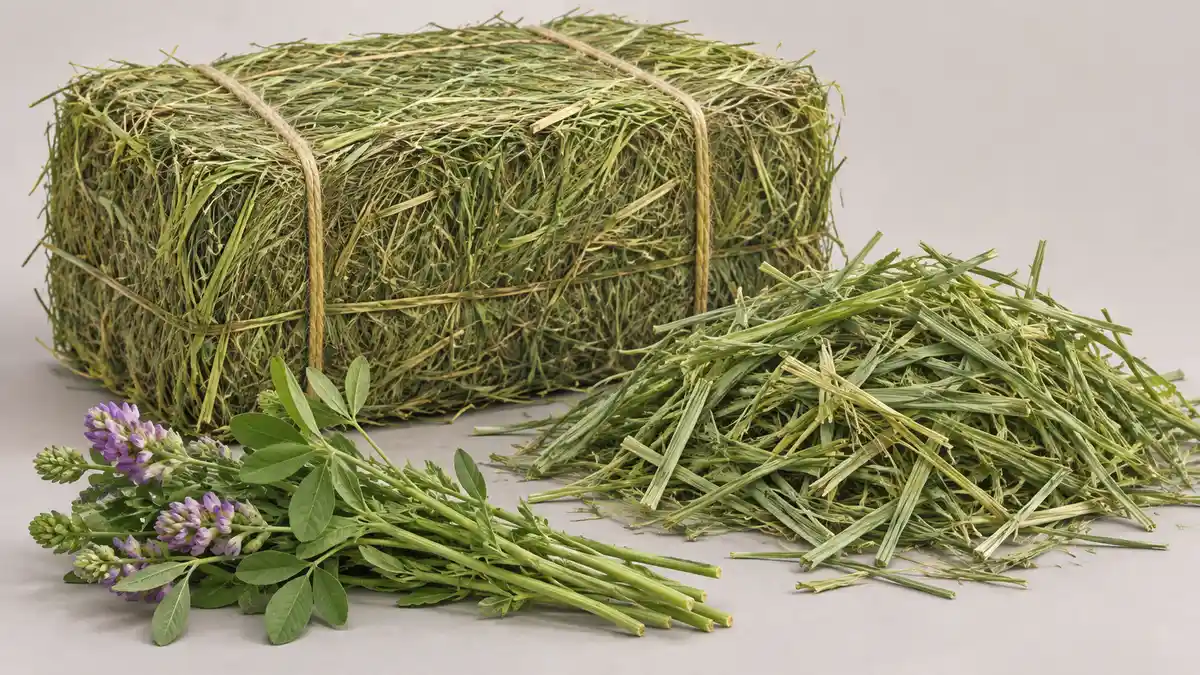
Duty and the Chinese hay restriction
Read from the UK Trade Tariff on 17 November 2026, heading 1214 covers fodder roots, hay, lucerne, clover, sainfoin, forage kale, lupines, vetches and similar forage products, including pellets. Lucerne meal and pellets, hay and the other forage line carry 0% duty from China; fodder roots carry 4%. The supplied tariff record lists no anti-dumping or countervailing duty and no suspensions.
The tariff attaches an import prohibition to hay. Chinese hay cannot be imported into Great Britain under the published authorised-country rules: China is absent from the authorised origins. All listed lines also carry organic import controls. For organic goods from China to Great Britain, arrange the consignment certificate of inspection and check the exporter’s control body and export country against the non-UK organic registers.
Confirm the species, plant part and processing method before choosing the commodity code. For products other than hay, ask your customs broker to confirm the applicable import requirements before ordering. The hay restriction must not be bypassed by declaring bales as pellets or other forage.
| Goods | Commodity code | Duty | Anti-dumping or countervailing duty on China |
|---|---|---|---|
| Lucerne (alfalfa) meal and pellets | 1214 10 00 00 | 0% | None |
| Mangolds, swedes and other fodder roots | 1214 90 10 00 | 4% | None |
| Hay, subject to import prohibition | 1214 90 90 20 | 0% | None |
| Other forage products | 1214 90 90 90 | 0% | None |
Specify the forage and pellet composition
State the plant species, intended animals and whether you need meal, pellets or another forage form. For lucerne pellets, agree protein, fibre, moisture, pellet dimensions, fines and any added binders against a retained sample. Ask for the drying and pelleting process and batch test results.
For an organic order, the importer must be based in the UK and certified by an approved UK organic control body. In England and Wales, apply to the local authority for feed-business registration or approval according to your activities before trading.
Worked duty example
Illustrative example, not a quote: Illustrative order: 500 kg of lucerne pellets under 1214 10 00 00, invoiced at £2,500 free on board, with £900 of freight and insurance to the UK. The customs value is £3,400. Duty at 0% is £0. Import VAT at 20% is charged on the customs value plus duty, £3,400, so it is £680. With no duty, the only import tax is the VAT, which a VAT-registered importer can usually reclaim. The import duty and VAT guide explains each step. This assumes the goods are standard-rated for VAT. Most food for human consumption is zero-rated, and animal feed can be too, in which case no import VAT is due, so check the rate for your product in HMRC's VAT Notice 701/14.
Inspection checklist
Identity: compare the species and composition with the approved sample; check for substituted grasses, excessive stems and undeclared ingredients.
Condition: measure moisture and inspect for mould, musty odour, insects, soil and foreign material; arrange batch testing appropriate to the intended animals.
Pellets: check dimensions, breakage and fines after transport, rather than judging only an untouched supplier sample.
Packing and records: check dry, intact bags, net weight and batch references against test reports and organic documents where applicable. Use the inspection guide to agree checks before shipment.
Working out your own order? Send us the product on WhatsApp and we reply the same working day: WhatsApp us
What goes wrong
Pellets can arrive broken into dusty fines, with less leaf material than the approved sample. Damp packing encourages mould, while mixed batches make test reports difficult to match to the delivered goods. Agree sampling, acceptance criteria and replacement terms before paying the balance.
An organic claim on a supplier’s paperwork does not replace the importer’s certification or consignment checks. Chinese hay is an unsuitable order for Great Britain under the published import rules, even though its tariff duty is zero.
Cambridge China Bridge sources these products for UK businesses, checking the factory and the documents before shipment. See factory verification. For repeat volumes, see container programmes.
Frequently asked questions
What is the UK import duty on forage from China?
The supplied tariff record shows 0% for lucerne meal and pellets, hay and other forage, and 4% for fodder roots. It lists no anti-dumping or countervailing duty. Hay also carries an import prohibition.
Can I import Chinese hay into Great Britain?
No, under the published authorised-country rules. China is absent from the authorised origins for hay. A zero duty rate does not remove that restriction.
What paperwork do organic lucerne pellets need?
For Great Britain, arrange a consignment certificate of inspection and check the exporter’s control body and export country against the non-UK organic registers. The UK importer also needs organic certification.
What should I check when lucerne pellets arrive?
Check species, composition, moisture, mould, foreign material, pellet breakage and fines. Match bag batch references to the test reports and compare the delivery with the retained sample.