Sourcing oat hay from China
Oat hay carries 0% UK duty, but Chinese-origin oat hay cannot be imported into Great Britain under the published hay import conditions. China is absent from the authorised origin list. Zero duty does not establish permission to import. Cambridge China Bridge checks whether a product can be imported before any order is placed.
Buying from China for a business? How our UK China sourcing agent service works · China sourcing agent for small orders and first imports
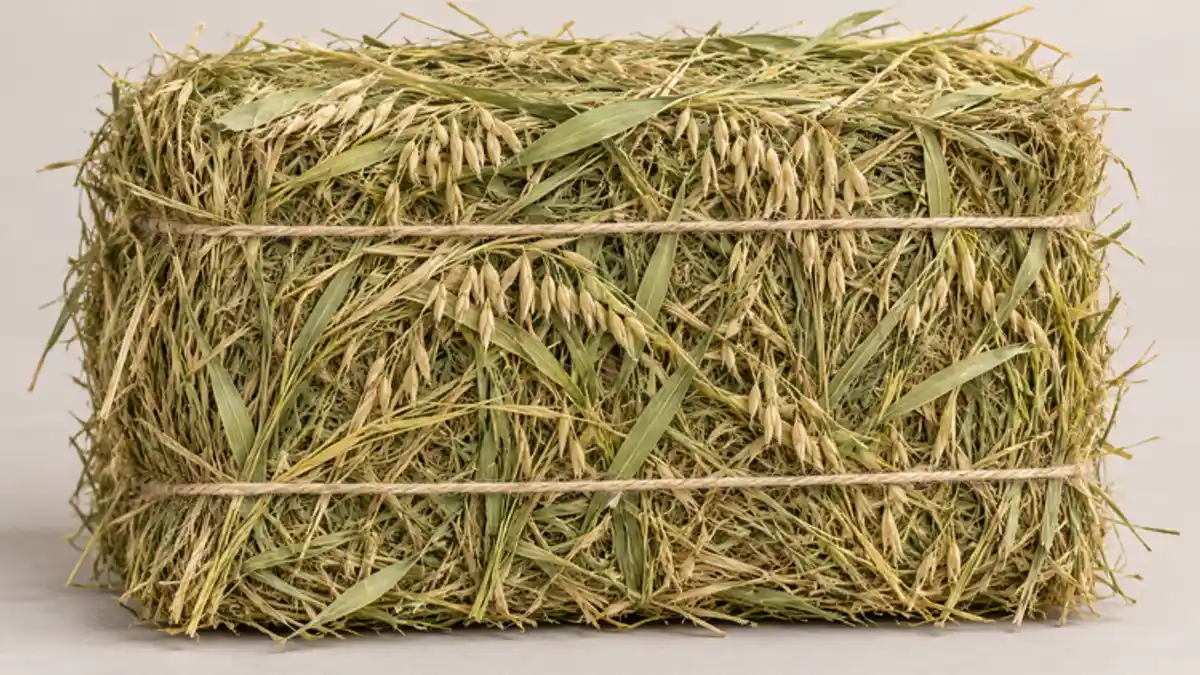
Zero duty, but China is not an authorised origin
Read from the UK Trade Tariff on 29 September 2026, heading 1214 covers hay and other forage products. The hay line, 1214 90 90 20, carries 0% duty for goods from China, with no anti-dumping or countervailing measure and no suspension recorded. The packing formats shown here share that hay line.
The supplied tariff record attaches an import prohibition and an organic import control. APHA's hay guidance restricts eligible origins, and the published general authorisation does not include China. Chinese-origin oat hay therefore cannot be imported into Great Britain under these conditions. For otherwise admissible organic goods, an inspection certificate is required; the exporter's control body issues it.
Confirm the goods description and commodity code before discussing shipment. Ask your customs broker and APHA to confirm the current origin restriction and the tariff controls. For the wider heading, see the Timothy hay guide. The worked figures are illustrative arithmetic only, not a proposed admissible China shipment.
| Goods | Commodity code | Duty | Anti-dumping or countervailing duty on China |
|---|---|---|---|
| Loose oat hay | 1214 90 90 20 | 0% | None |
Specify oat hay and its actual origin
Resolve import eligibility before agreeing a purchase. Request the growing country, harvesting location and traceable lot records, rather than relying on the supplier's trading address. China is absent from the published authorised origin list for hay.
For an admissible supply, specify oat hay rather than oat straw, the intended animal use, harvest maturity, leaf and seed-head content, stem texture, moisture acceptance criteria, dust, foreign matter and packing format. Agree a representative retained sample and the nutritional testing needed for your customer's use. Treat these as purchasing specifications.
Worked duty example
Illustrative example, not a quote: Illustrative arithmetic only: 500 kg of oat hay; not an order that may be imported from China into Great Britain under 1214 90 90 20, invoiced at £900 free on board, with £900 of freight and insurance to the UK. The customs value is £1,800. Duty at 0% is £0. Import VAT at 20% is charged on the customs value plus duty, £1,800, so it is £360. With no duty, the only import tax is the VAT, which a VAT-registered importer can usually reclaim. The import duty and VAT guide explains each step. This assumes the goods are standard-rated for VAT. Most food for human consumption is zero-rated, and animal feed can be too, in which case no import VAT is due, so check the rate for your product in HMRC's VAT Notice 701/14.
Inspection checklist
Identity: open packs and compare leaves, stems and seed heads with the agreed oat-hay sample; look for straw or other forage mixed into the lot.
Condition: inspect inside bales for damp patches, mould, musty odour and excessive dust; measure moisture against the agreed specification.
Packing: check net weight, bale integrity, clean wrapping and damage that could admit moisture during storage or transport.
Traceability: match lot references, growing-country records and test reports. For admissible deliveries, repeat the condition checks on arrival and photograph discrepancies.
Working out your own order? Send us the product on WhatsApp and we reply the same working day: WhatsApp us
What goes wrong
The first mistake is treating the zero tariff rate as permission to import Chinese-origin oat hay. Do not commit to freight or stock sales before resolving admissibility. Organic certification does not make China an authorised hay origin.
Quality disputes arise when oat straw replaces leafy hay, the shipment differs from the approved sample, or damp bale centres escape a surface inspection. Excessive dust, coarse stems, loose bindings and torn wrapping also undermine the agreed specification. Record findings against the lot and keep disputed stock separate while the supplier responds.
Cambridge China Bridge sources these products for UK businesses, checking the factory and the documents before shipment. See factory verification. For repeat volumes, see container programmes.
Frequently asked questions
What is the UK import duty on oat hay from China?
The supplied tariff record shows 0% for hay under 1214 90 90 20, with no anti-dumping or countervailing duty. The origin prohibition still prevents Chinese-origin oat hay imports into Great Britain.
Can I import Chinese oat hay into Great Britain?
No, under the published hay import conditions. China is absent from the authorised origin list. Confirm the current position with APHA before placing an order.
Does organic certification allow Chinese oat hay imports?
No. Organic certification does not change the authorised hay origins. Otherwise admissible organic imports need an inspection certificate issued by the exporter's control body.
What should I check in an oat hay sample?
Check oat identity, leaf and seed-head content, stem texture, moisture, mould, dust and foreign matter. Compare material from inside the bale with the agreed retained sample.