Sourcing fodder beet from China
Fodder beet roots from China carry 4% UK duty under 1214 90 10 00, with no trade remedy or suspension listed. Feed businesses need registration or approval as applicable. Confirm plant-health requirements for the supplied form and organic paperwork before shipment. Cambridge China Bridge sources fodder beet.
Buying from China for a business? How our UK China sourcing agent service works · China sourcing agent for small orders and first imports
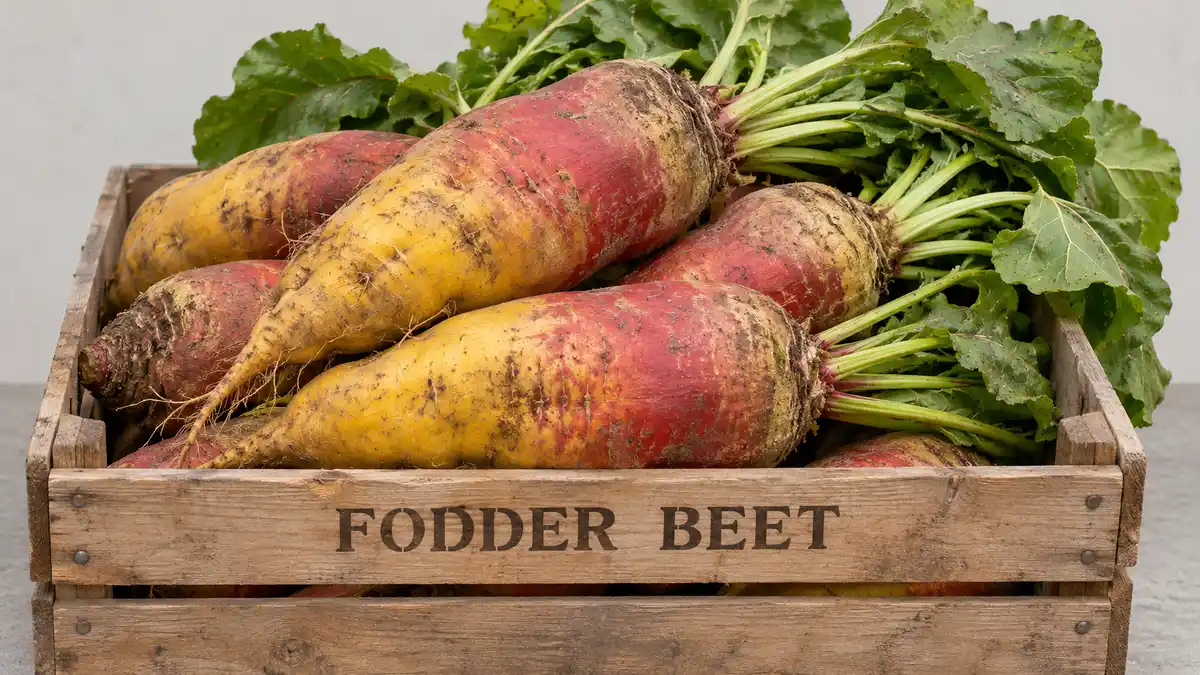
Fodder beet duty and import checks
Read from the UK Trade Tariff on 29 September 2026, fodder beet falls within the mangolds, swedes and other fodder roots line of heading 1214. That line carries 4% duty for goods from China. The supplied tariff record lists no anti-dumping or countervailing duty and no suspension. Only this commodity line is relevant to the fodder beet roots covered here.
The UK Trade Tariff attaches an import control of organic products. For organic fodder beet, confirm the certificate-of-inspection requirement with your customs broker and approved UK organic control body before shipment. Separately, high and medium risk plant products from non-EU countries move under plant-health controls. Ask the relevant plant-health authority to confirm the risk category and entry requirements for the actual product form from China.
Give your broker the product identity, processing method and intended feed use, then confirm the commodity code. For the related processed beet product, see dried sugar beet pulp; its buying specification should not be substituted for a specification for fodder beet roots.
| Goods | Commodity code | Duty | Anti-dumping or countervailing duty on China |
|---|---|---|---|
| Fodder beet roots (mangolds) | 1214 90 10 00 | 4% | None |
Specify root condition and dry matter
Describe the fodder beet variety, whether roots are whole or chopped, how they are cleaned, and whether tops are included. Agree dry matter, moisture, root size, permitted soil and stones, and rejection criteria for rot, mould and frost damage. Ask for representative samples and batch test results rather than relying on photographs.
Agree how net weight will be checked, whether attached soil is excluded, and whether composition results refer to fresh weight or dry matter. Specify packaging, ventilation and storage conditions suited to the supplied form. Businesses marketing animal feed need registration or approval as applicable; settle your business status before arranging sales.
Worked duty example
Illustrative example, not a quote: Illustrative order: 20 tonnes of fodder beet roots under 1214 90 10 00, invoiced at £900 free on board, with £2,500 of freight and insurance to the UK. The customs value is £3,400. Duty at 4% is £136. Import VAT at 20% is charged on the customs value plus duty, £3,536, so it is £707.20. Import taxes total £843.20; a VAT-registered importer can usually reclaim the VAT, so the lasting cost is the £136 of duty. The import duty and VAT guide explains each step. This assumes the goods are standard-rated for VAT. Most food for human consumption is zero-rated, and animal feed can be too, in which case no import VAT is due, so check the rate for your product in HMRC's VAT Notice 701/14.
Inspection checklist
Identity: compare roots, cut surfaces and any chopped material with the agreed sample; check for mixed crops and excessive tops.
Condition: inspect for soft rot, mould, bruising, frost damage, sour odours and heating inside the load.
Composition: sample across the consignment and compare moisture, dry matter and soil contamination with the contract and batch report.
Weight and records: check net weight, packaging condition and batch identity against the packing list; photograph defects before unloading and retain samples.
Working out your own order? Send us the product on WhatsApp and we reply the same working day: WhatsApp us
What goes wrong
Buying by gross weight can conceal soil, stones and water rather than useful feed material. A clean-looking sample may conceal a load with variable dry matter or damaged roots. Chopped material makes identity and deterioration harder to judge, so agree sampling and rejection arrangements before ordering.
Poor handling and unsuitable storage can turn bruised roots into a rotting load. Keep suspect material separate pending assessment. An organic description also needs a paperwork check: ask your broker and organic control body to confirm the import documents before dispatch.
Cambridge China Bridge sources these products for UK businesses, checking the factory and the documents before shipment. See factory verification. For repeat volumes, see container programmes.
Frequently asked questions
What is the UK import duty on fodder beet from China?
The supplied UK Trade Tariff record gives 4% under 1214 90 10 00, with no anti-dumping or countervailing duty and no suspension listed.
Do I need to register to sell fodder beet as animal feed?
Feed businesses need registration or approval as applicable. Confirm the status appropriate to your activities before selling fodder beet as feed.
Can I import organic fodder beet from China?
The tariff attaches an organic import control. Confirm the certificate-of-inspection requirement with your customs broker and approved UK organic control body before shipment.
What should I check when fodder beet arrives?
Check identity, root condition, dry matter, moisture, soil, stones and net weight against the contract. Inspect inside the load for heating and rot, and retain representative samples.