Sourcing vulcanised gum rubber sheets from China
Vulcanised gum rubber sheets from China carry 2% UK duty across the supplied tariff lines, with no listed anti-dumping duty. Specify the natural rubber compound and tolerances; for rubber parts in prolonged or repeated skin contact, confirm applicable UK REACH PAH restrictions with the chemical regulator. Cambridge China Bridge sources vulcanised gum rubber sheets.
Buying from China for a business? How our UK China sourcing agent service works · China sourcing agent for UK manufacturers and engineering firms
Duty and classification for gum rubber sheet
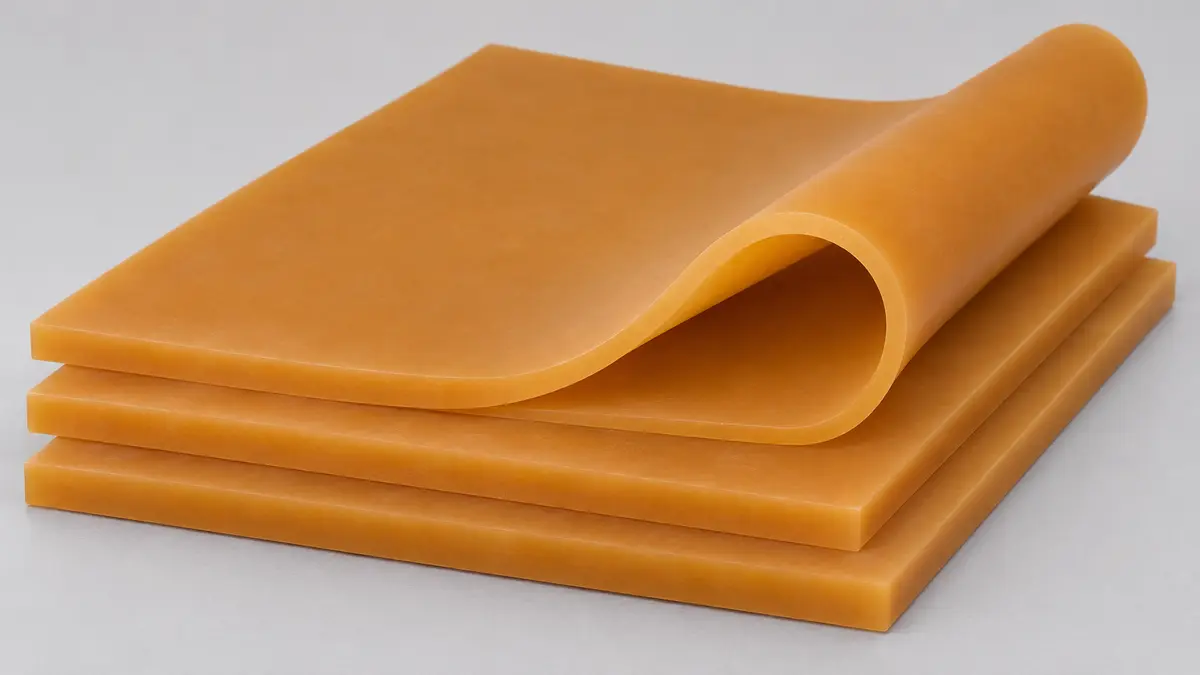
Read from the UK Trade Tariff on 1 October 2026, heading 4008 covers plates, sheets, strip, rods and profiles of vulcanised rubber other than hard rubber. Solid gum rubber sheet, other than floor coverings and mats, falls within the non-cellular sheet description at 4008 21 90 00. The table shows supply formats sharing that commodity line.
The supplied lines all carry 2% duty for goods from China. The snapshot lists no anti-dumping or countervailing duties, suspensions or attached import controls. Product chemical restrictions still need checking: UK REACH restrictions can limit, ban or condition the placing on the market or use of substances.
Confirm the compound, cellular structure, supplied shape and intended use with your broker using finding your commodity code. Cut gaskets and seals fall under heading 4016. For other rubber compounds, matting and profiles, see rubber sheet and matting.
| Goods | Commodity code | Duty | Anti-dumping or countervailing duty on China |
|---|---|---|---|
| Solid vulcanised gum rubber sheet in rolls | 4008 21 90 00 | 2% | None |
Specify the gum compound and sheet tolerances
Write natural rubber into the purchase specification rather than relying on the trade description 'gum rubber'. Agree the permitted fillers, recycled content, colour, surface finish and compound identification. Specify hardness, tensile strength, elongation, tear strength and thickness, width and length tolerances against an approved sample and data sheet.
Agree hardness testing to ISO 48-4 and tensile strength and elongation testing to ISO 37. Describe the actual service conditions, including abrasion, stretching, oil exposure and outdoor use, and ask for relevant performance evidence. A colour match alone does not establish that the factory has supplied the agreed compound.
Where the finished article has rubber parts in prolonged or repeated skin contact, confirm the applicable UK REACH PAH restrictions and limits with the chemical regulator, including any separate requirements for toys and childcare articles. Obtain testing relevant to the supplied compound and intended use. For food-contact grades, confirm the applicable evidence requirements with the relevant food-contact authority.
Worked duty example
Illustrative example, not a quote: An illustrative trial consignment of solid vulcanised gum rubber sheet under 4008 21 90 00, invoiced at £5,000 free on board, with £3,000 of freight and insurance to the UK. The customs value is £8,000. Duty at 2% is £160. Import VAT at 20% is charged on the customs value plus duty, £8,160, so it is £1,632. Import taxes total £1,792; a VAT-registered importer can usually reclaim the VAT, so the lasting cost is the £160 of duty. The import duty and VAT guide explains each step.
Inspection checklist
Compound: compare batch identification, the factory data sheet and laboratory results with the approved gum rubber specification; check hardness, tensile strength, elongation, density and tear strength.
Dimensions: measure thickness across the width and along each sampled roll, check usable width and length, and compare the results with the agreed tolerances.
Surface and packing: inspect for bubbles, cracks, embedded debris, white bloom, sticking surfaces and strong odour; check flat sheets for creases and rolls for telescoping or crushed edges.
Use evidence: match chemical and application test reports to the supplied compound and batch; keep samples and inspection records traceable to the received stock.
Working out your own order? Send us the product on WhatsApp and we reply the same working day: WhatsApp us
What goes wrong
A supplier may match the colour while changing the polymer blend or filler loading. The sheet can then miss the agreed hardness, stretch or tear performance. Thickness variation also changes how a lining fits or a cut component behaves. Compare production samples with the approved specification before shipment, then repeat dimensional and surface checks on arrival.
Bloom and odour need investigation against the compound and test results. Neither a clean appearance nor a generic compliance statement establishes chemical compliance. If the sheet will become a skin-contact or food-contact article, settle the relevant evidence before accepting the batch.
Cambridge China Bridge sources these products for UK businesses, checking the factory and the documents before shipment. See factory verification. For repeat volumes, see container programmes.
Frequently asked questions
What is the UK import duty on gum rubber sheets from China?
The supplied tariff snapshot gives 2% duty for solid non-cellular gum rubber sheet at 4008 21 90 00, with no listed anti-dumping or countervailing duty.
Which commodity code covers solid gum rubber sheet?
4008 21 90 00 covers other non-cellular rubber plates, sheets and strip. Confirm the supplied form and use with your broker; floor coverings, mats and cut gaskets have different classifications.
How do I check the supplier has used the agreed gum rubber?
Specify the natural rubber compound and permitted fillers, then compare batch test results for hardness, tensile strength, elongation, density and tear strength with the approved sample and data sheet.
Can gum rubber sheet be used for food-contact parts?
Ask for evidence covering the supplied compound and intended use rather than accepting a generic food-grade description.