Sourcing vetch hay from China
Vetch hay has a listed UK duty of 0%, but Chinese-origin hay cannot be imported into Great Britain under the published authorised-country arrangements. China is absent from the current hay authorisation. Cambridge China Bridge checks whether a product can be imported before any order is placed.
Buying from China for a business? How our UK China sourcing agent service works · China sourcing agent for small orders and first imports
0% listed duty, with an import prohibition
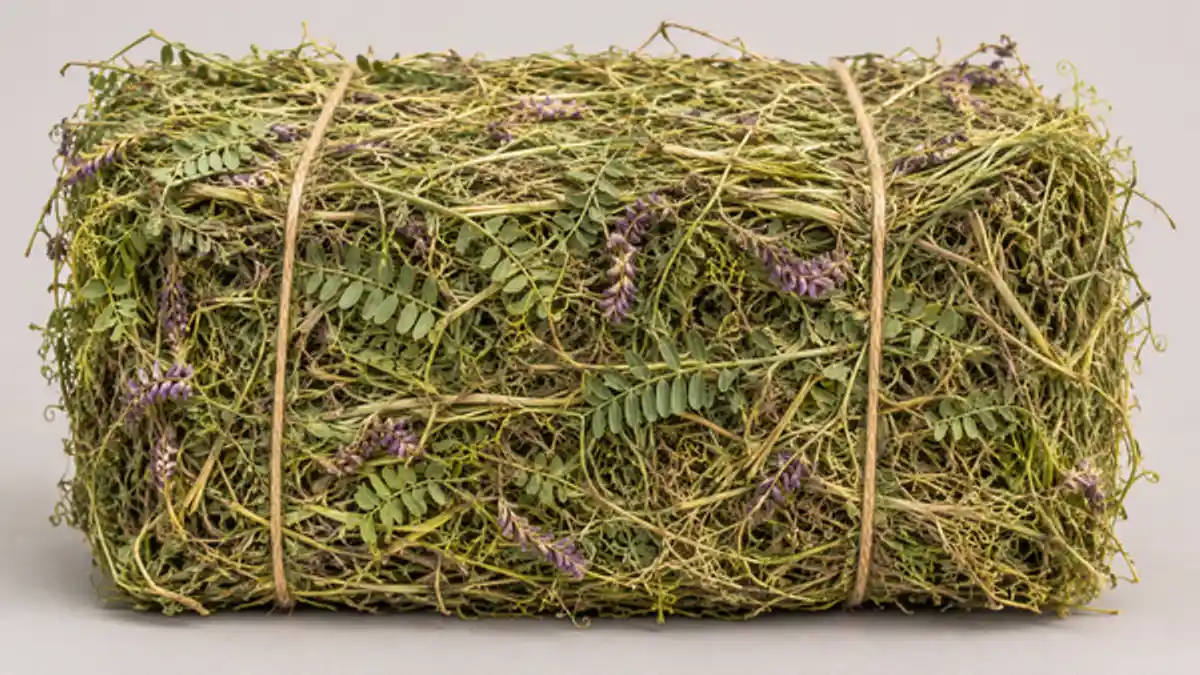
Read from the UK Trade Tariff on 29 September 2026, heading 1214 covers hay, vetches and other forage products. Vetch hay falls within the supplied hay line, 1214 90 90 20. The table shows presentations of that same commodity line, rather than separate tariff classifications. See forage sourcing for the wider heading.
The supplied hay line carries 0% duty for goods from China, no listed anti-dumping or countervailing duty, and no suspension. It attaches an import prohibition and organic-product import control. China is absent from the current third-country hay authorisation, so Chinese-origin vetch hay cannot be imported into Great Britain. A zero duty rate does not establish permission to import.
Confirm the product's identity and presentation with your broker using finding your commodity code. For organic claims, ask the broker and organic control body to confirm the certificate and clearance requirements; the certificate of inspection is issued by the exporter's control body. Organic paperwork does not resolve the country restriction. The worked figures are illustrative arithmetic, not a proposed shipment.
| Goods | Commodity code | Duty | Anti-dumping or countervailing duty on China |
|---|---|---|---|
| Vetch hay in bales | 1214 90 90 20 | 0% | None |
Specify the vetch species and hay composition
For supplier assessment or a destination that permits the goods, specify the botanical species, growing origin, intended animal, harvest maturity and whether the hay is pure vetch or mixed with cereal or grass. Ask for the mixture composition, leaf retention, stem condition and an agreed reference sample.
Agree moisture, dust, foreign material, bale dimensions, net weight, binding and packaging in the purchase specification. Request representative batch analysis for protein and fibre rather than accepting a general supplier brochure. For feed trading in England or Wales, check feed-business registration and any approval applicable to your activities before selling.
Worked duty example
Illustrative example, not a quote: 500 kg of baled vetch hay, illustrative arithmetic only; Chinese-origin hay cannot be imported into Great Britain under 1214 90 90 20, invoiced at £900 free on board, with £900 of freight and insurance to the UK. The customs value is £1,800. Duty at 0% is £0. Import VAT at 20% is charged on the customs value plus duty, £1,800, so it is £360. With no duty, the only import tax is the VAT, which a VAT-registered importer can usually reclaim. The import duty and VAT guide explains each step. This assumes the goods are standard-rated for VAT. Most food for human consumption is zero-rated, and animal feed can be too, in which case no import VAT is due, so check the rate for your product in HMRC's VAT Notice 701/14.
Inspection checklist
Identity: compare leaves, stems and any seed pods with the agreed species and mixture; investigate substituted forage.
Condition: open representative bales and check the core for dampness, mould, heating, musty odour and excessive dust.
Cleanliness: check for soil, stones, weeds, insects, plastic and loose binding material throughout the bale.
Packing: compare net weight, compression, bindings and batch identification with the contract. Use these arrival checks only for a legally admissible supply.
Working out your own order? Send us the product on WhatsApp and we reply the same working day: WhatsApp us
What goes wrong
The purchasing error is treating 0% duty as permission to ship. The published authorisation excludes China from its country list. Do not place a Great Britain import order for Chinese-origin vetch hay on the strength of a tariff rate or a supplier's assurance.
Quality disputes arise when mixed forage is described as pure vetch, leaves crumble during compression, or dry outer layers conceal damp bale cores. Agree sampling and rejection criteria before contracting for an admissible supply, and compare the delivered batch with the approved sample.
Cambridge China Bridge sources these products for UK businesses, checking the factory and the documents before shipment. See factory verification. For repeat volumes, see container programmes.
Frequently asked questions
What is the UK import duty on vetch hay from China?
The supplied hay line, 1214 90 90 20, lists 0% duty, with no trade remedy or suspension. It also attaches an import prohibition; Chinese-origin hay cannot be imported into Great Britain under the published arrangements.
Can I import Chinese vetch hay into Great Britain?
No. China is absent from the current third-country hay authorisation. Resolve admissibility before ordering; the listed duty rate does not permit shipment.
Does organic certification allow Chinese vetch hay imports?
No. Organic paperwork does not resolve the country restriction. The tariff also attaches organic-product import control, so confirm that separate requirement with your broker and organic control body.
What should I check in vetch hay bales?
Check species and mixture, leaf retention, stem condition, moisture, mould, dust and foreign material. Open bales to inspect their cores, and compare batch analysis, net weight and packing with the contract.