Sourcing Tapioca Flakes from China
UK duty on tapioca flakes from China is 0% under 1903 00 00 00, with no anti-dumping or countervailing duty recorded. Importers must ensure the food is safe and legal before import; organic flakes also involve certification and an attached import control. Cambridge China Bridge sources tapioca flakes.
Buying from China for a business? How our UK China sourcing agent service works · China sourcing agent for small orders and first imports
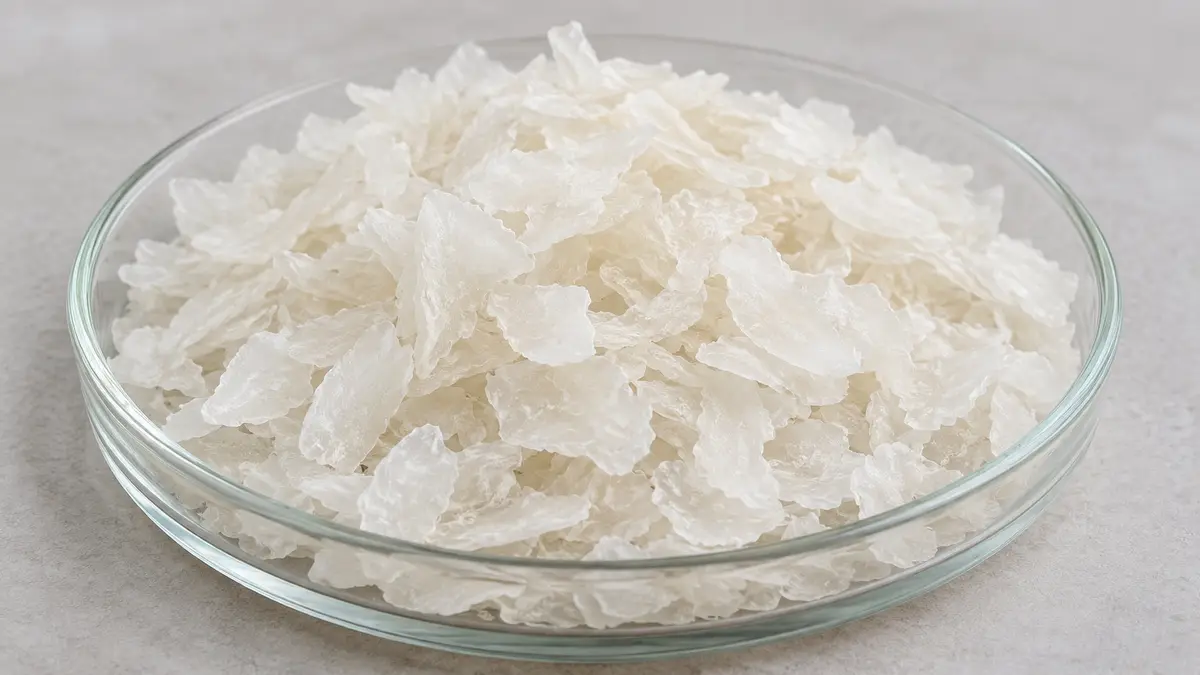
Tapioca flakes: 0% duty
Read from the UK Trade Tariff on 29 September 2026, heading 1903 covers tapioca and starch substitutes prepared as flakes, grains, pearls, siftings or similar forms. Tapioca flakes fall within the supplied line 1903 00 00 00. Goods from China carry 0% duty, with no anti-dumping or countervailing measure and no suspension recorded. The supplied facts contain only this commodity line.
The tariff attaches an import control for organic products. Importing organic food requires certification of the food and business by an approved UK organic control body. The certificate of inspection is issued by the exporter's control body in the exporting country. For organic flakes from China, confirm the shipment's certificate of inspection requirements with your customs broker and organic control body before dispatch.
Provide the recipe, starch source and manufacturing description when confirming the commodity code. This guide concerns prepared flakes; the wider tapioca and starch pearls guide covers the broader product family.
| Goods | Commodity code | Duty | Anti-dumping or countervailing duty on China |
|---|---|---|---|
| Tapioca flakes prepared from starch | 1903 00 00 00 | 0% | None |
Specify flake size and cooking performance
Specify whether the flakes contain only cassava starch or include other starches, sugar, colours or flavourings. Agree flake thickness, size distribution, acceptable fines, colour, odour and moisture against an approved sample. Describe the intended use, such as puddings or thickening, and agree a cooking trial using the buyer's recipe.
Ask for batch test results against agreed microbiological and contaminant specifications, packaging details and shelf-life evidence. Importers must ensure food is safe and legal before it enters Great Britain. Confirm food business registration requirements with the relevant local authority, and have that authority review your proposed English retail labels, including the food name, applicable ingredients and emphasised allergens, net quantity, dates, storage instructions and business address.
Worked duty example
Illustrative example, not a quote: Illustrative order: 12 tonnes of dried tapioca flakes under 1903 00 00 00, invoiced at £14,000 free on board, with £2,000 of freight and insurance to the UK. The customs value is £16,000. Duty at 0% is £0. Import VAT at 20% is charged on the customs value plus duty, £16,000, so it is £3,200. With no duty, the only import tax is the VAT, which a VAT-registered importer can usually reclaim. The import duty and VAT guide explains each step. This assumes the goods are standard-rated for VAT. Most food for human consumption is zero-rated, and animal feed can be too, in which case no import VAT is due, so check the rate for your product in HMRC's VAT Notice 701/14.
Inspection checklist
Identity: compare the production recipe and starch source with the approved sample; check that flakes have not been replaced by pearls or raw starch powder.
Condition: inspect for dampness, clumps, mould, insects, foreign matter and unusual odours; compare moisture results with the agreed specification.
Cooking: use the agreed recipe to compare hydration, thickening, texture and remaining hard particles with the approved sample.
Packs and records: check seals, net weight, English labels and batch references against the documents; for organic orders, confirm certification and shipment paperwork before release.
Working out your own order? Send us the product on WhatsApp and we reply the same working day: WhatsApp us
What goes wrong
Excess fines and inconsistent flake thickness can give uneven cooking results. Moisture entering through damaged seals can cause clumping and spoilage. A substituted starch blend may behave differently from the approved sample even when the dry flakes look similar.
Approve the recipe, cooking trial and label before production. Keep an approved sample for comparison on arrival, and connect laboratory reports to the delivered batch. Resolve organic documentation before dispatch rather than relying on an organic claim printed on the bag. Use testing and certification support to agree the checks.
Cambridge China Bridge sources these products for UK businesses, checking the factory and the documents before shipment. See factory verification. For repeat volumes, see container programmes.
Frequently asked questions
What is the UK import duty on tapioca flakes from China?
The supplied tariff reading shows 0% under 1903 00 00 00, with no anti-dumping or countervailing duty and no suspension recorded.
What should I specify when buying tapioca flakes?
Agree the starch source, full recipe, flake size and thickness, fines, moisture, packaging and cooking performance against an approved sample.
What paperwork do organic tapioca flakes need?
Organic food and the importing business need approved UK organic control-body certification. Confirm the shipment's certificate of inspection requirements with your customs broker and control body.
How do I check tapioca flakes on arrival?
Check dampness, clumping, foreign matter, seal damage and batch records. Compare moisture results and a cooking trial with the agreed specification and approved sample.