Sourcing Sago Flakes from China
Sago flakes from China under 1903 00 00 00 attract 0% UK duty, with no anti-dumping or countervailing duty recorded. Food must be safe and legal before import; organic orders also need importer certification. Cambridge China Bridge sources sago flakes.
Buying from China for a business? How our UK China sourcing agent service works · China sourcing agent for small orders and first imports
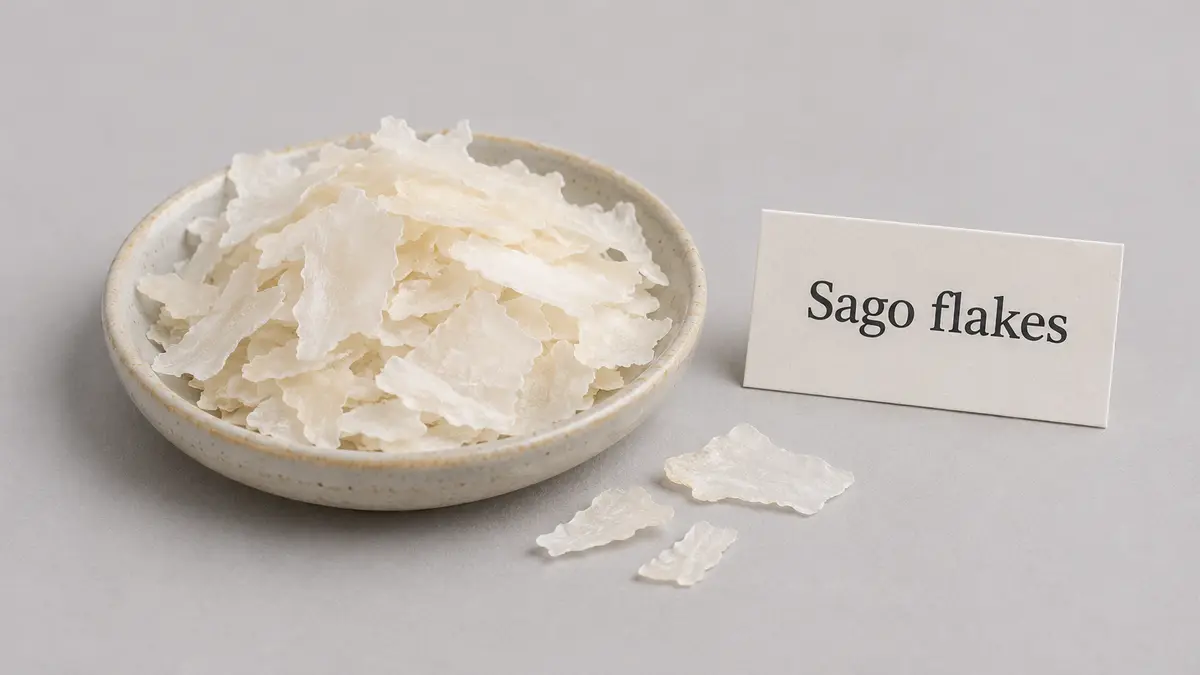
Sago flakes: 0% UK duty
Read from the UK Trade Tariff on 29 September 2026, heading 1903 covers tapioca and substitutes prepared from starch as flakes, grains, pearls, siftings or similar forms. Sago flakes covered by 1903 00 00 00 carry 0% duty for goods from China. The supplied tariff record lists no anti-dumping or countervailing duty and no suspension. It contains no separate subdivisions for sago flakes, so the table shows the available commodity line.
The UK Trade Tariff attaches an organic-product import control. For organic orders, your business must be certified by an approved UK organic control body. The exporter’s control body issues the certificate of inspection. Ask your organic control body and customs broker to confirm the certificate requirements and the recognised certification arrangements for exports from China before shipping.
Give your broker the starch source, complete recipe, manufacturing process and sample photographs when confirming the commodity code. For the wider product family, see our sago pearls guide.
| Goods | Commodity code | Duty | Anti-dumping or countervailing duty on China |
|---|---|---|---|
| Sago flakes prepared from starch | 1903 00 00 00 | 0% | None |
Specify starch identity and cooked texture
State whether you want flakes made from sago palm starch or a substitute made from another starch. Ask the factory to identify the botanical source and disclose blends, additives and processing aids. Agree flake thickness, size distribution, colour, acceptable fines and moisture against an approved sample. Describe the intended use, such as puddings or dessert mixes.
Run a cooking trial using your intended recipe. Compare hydration, clumping, thickening, mouthfeel and texture after cooling. Agree packaging that protects against moisture and crushing, storage instructions and shelf life supported by the supplier’s evidence. Food must be safe and legal before import. Ask the relevant food authority to confirm any food-business registration requirements and the retail labelling requirements for the name, ingredients and allergen emphasis, net quantity, dates, storage conditions, business address and language.
Worked duty example
Illustrative example, not a quote: Illustrative wholesale order: 12 tonnes of sago flakes under 1903 00 00 00, invoiced at £14,000 free on board, with £2,000 of freight and insurance to the UK. The customs value is £16,000. Duty at 0% is £0. Import VAT at 20% is charged on the customs value plus duty, £16,000, so it is £3,200. With no duty, the only import tax is the VAT, which a VAT-registered importer can usually reclaim. The import duty and VAT guide explains each step. This assumes the goods are standard-rated for VAT. Most food for human consumption is zero-rated, and animal feed can be too, in which case no import VAT is due, so check the rate for your product in HMRC's VAT Notice 701/14.
Inspection checklist
Identity: compare the ingredient declaration and production records with the agreed starch source; retain a production sample for comparison.
Flakes and cooking: check thickness, broken flakes, powder and colour; repeat the agreed cooking trial and compare the cooled texture.
Condition: inspect for damp clumps, mould, insects, foreign matter and unusual odours; compare moisture and agreed laboratory results with the specification.
Packing and labels: check seals, liners, net weight, batch identification and English artwork against the approved recipe. Arrange a quality inspection before dispatch.
Working out your own order? Send us the product on WhatsApp and we reply the same working day: WhatsApp us
What goes wrong
A supplier may offer a different starch under the same sago description, leaving the delivered flakes with a different cooking response. Uneven thickness can produce lumps alongside overcooked paste, while excessive fines change the texture of a dessert mix. Approve both the ingredient declaration and a cooked production sample before accepting the batch.
Moisture entering a damaged liner can leave flakes clumped or mouldy, and rough handling can turn flakes into powder. Inspect the delivery before mixing it into other stock. Keep suspect packs separate, photograph damage and compare retained samples and batch records before agreeing a remedy with the supplier.
Cambridge China Bridge sources these products for UK businesses, checking the factory and the documents before shipment. See factory verification. For repeat volumes, see container programmes.
Frequently asked questions
What is the UK import duty on sago flakes from China?
Sago flakes covered by 1903 00 00 00 carry 0% duty.
How do I check whether sago flakes contain palm starch?
Ask for the botanical starch source, full ingredient declaration and production records. Put the agreed source in the purchase specification and compare a cooked production sample with your approved sample.
What should I check before importing organic sago flakes?
Your business must have approved UK organic control-body certification. Confirm certificate-of-inspection requirements and recognised certification arrangements for China with your control body and customs broker.
What should I inspect when sago flakes arrive?
Check damp clumps, mould, insects, odours, damaged liners, broken flakes and excessive powder. Compare batch labels, net weight and cooking performance with the agreed specification.