Sourcing tapioca and starch pearls from China
UK duty on tapioca and starch substitutes under heading 1903 is 0% across the supplied tariff line, with no listed trade remedy or suspension. Imported food must be safe and legal; organic consignments from China need a certificate of inspection for Great Britain. Cambridge China Bridge sources tapioca and starch pearls.
Buying from China for a business? How our UK China sourcing agent service works · China sourcing agent for small orders and first imports
Duty and organic import controls
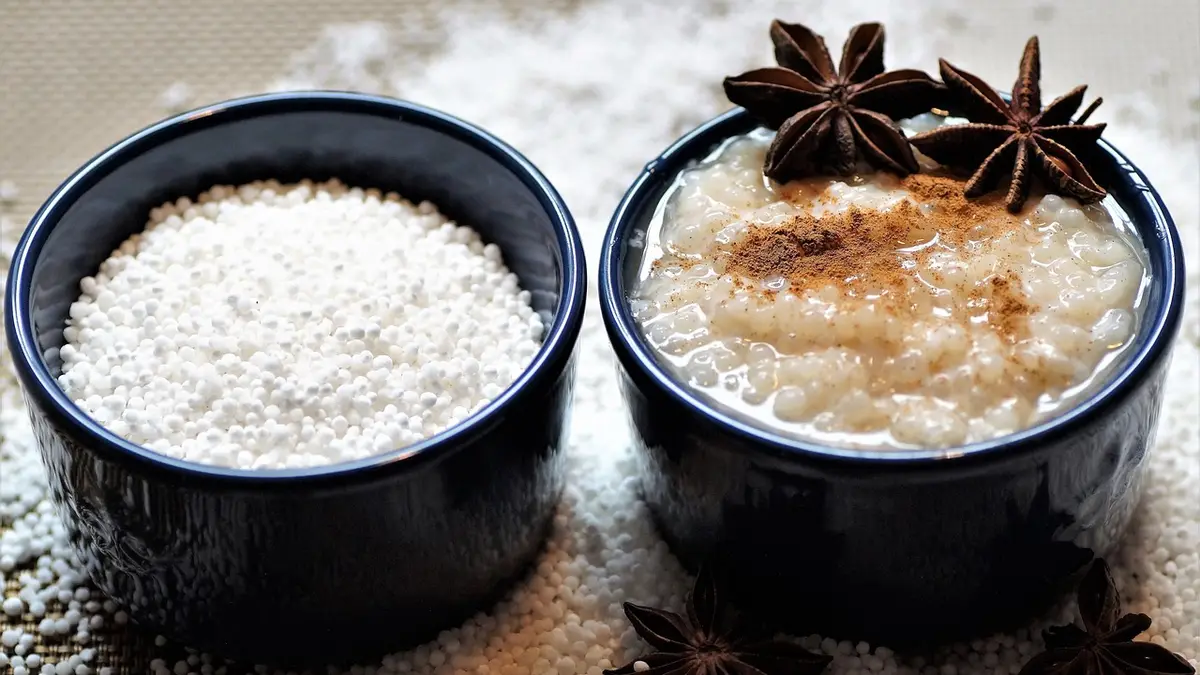
Read from the UK Trade Tariff on 18 November 2026, heading 1903 covers tapioca and substitutes prepared from starch as flakes, grains, pearls, siftings or similar forms. The supplied commodity code is 1903 00 00 00, with duty of 0% for goods from China. No anti-dumping or countervailing duty or suspension is listed. The table shows product forms sharing that code.
The tariff attaches an organic import control. For organic goods from China entering Great Britain, obtain a certificate of inspection for each consignment and check the exporter’s control body and country against the non-UK organic registers. The importing business must be UK-based and certified by an approved UK organic control body. Settle these checks before shipping goods labelled organic.
Send the complete recipe, starch source, manufacturing process and product photographs for a commodity code check. Do not assume every drink topping belongs here: ask for a separate classification review of syrup-packed, filled or otherwise formulated products.
| Goods | Commodity code | Duty | Anti-dumping or countervailing duty on China |
|---|---|---|---|
| Tapioca pearls prepared from starch | 1903 00 00 00 | 0% | None |
Specify starch, pearl texture and cooking method
Specify the starch source, full recipe, colours and flavourings, dry or hydrated condition, pearl size, broken-piece tolerance and packaging. Approve a reference sample with a written cooking method covering soaking, boiling, resting and holding. Compare cooked texture, colour transfer, clumping and performance in the intended drink or dessert.
Ask the relevant food authority to confirm the importer's food-business registration obligations and the retail labelling requirements for the actual product, including English food information, ingredients with allergens emphasised, net quantity, dates, storage instructions and the appropriate business address. Agree shelf life and storage conditions for the actual recipe and packaging. Imported food must be safe and legal before entering Great Britain.
Worked duty example
Illustrative example, not a quote: Illustrative order: 2,000 kg of dried tapioca pearls under 1903 00 00 00, invoiced at £3,000 free on board, with £2,000 of freight and insurance to the UK. The customs value is £5,000. Duty at 0% is £0. Import VAT at 20% is charged on the customs value plus duty, £5,000, so it is £1,000. With no duty, the only import tax is the VAT, which a VAT-registered importer can usually reclaim. The import duty and VAT guide explains each step. This assumes the goods are standard-rated for VAT. Most food for human consumption is zero-rated, and animal feed can be too, in which case no import VAT is due, so check the rate for your product in HMRC's VAT Notice 701/14.
Inspection checklist
Recipe: compare the production recipe and ingredient declarations with the approved sample, including colours, flavourings and allergen information.
Cooking: cook a production sample using the agreed method; check hard centres, splitting, stickiness and texture after holding.
Condition: inspect for broken pearls, excessive dust, clumps, foreign matter and unusual odour; compare moisture results with the agreed specification.
Packaging: check seals, pack weight, batch identification, date printing and English labels; reconcile organic documents where an organic claim is used.
Working out your own order? Send us the product on WhatsApp and we reply the same working day: WhatsApp us
What goes wrong
Pearls can match the sample when freshly cooked but become hard or sticky during service. A changed starch blend or inconsistent pearl size can alter cooking behaviour. Make the holding test part of sample approval and repeat it on production goods before dispatch.
Broken pearls and dust affect portioning and appearance, while damaged seals can allow moisture into dried goods. Reject unexplained recipe changes and investigate clumping or unusual odour before use. Include cooking tests and packaging checks in the inspection brief.
Cambridge China Bridge sources these products for UK businesses, checking the factory and the documents before shipment. See factory verification. For repeat volumes, see container programmes.
Frequently asked questions
What is the UK import duty on tapioca from China?
The supplied tariff line 1903 00 00 00 carries 0% duty for goods from China, with no listed anti-dumping or countervailing duty or suspension.
Can I import organic tapioca from China?
For Great Britain, obtain a certificate of inspection for each consignment, check the non-UK organic registers and use a UK-based importing business certified by an approved UK organic control body.
Does every bubble tea pearl use this commodity code?
Do not assume so. Heading 1903 covers the described starch preparations. Submit the full recipe and processing details for classification, particularly for filled or syrup-packed toppings.
How do I check tapioca pearl quality?
Cook production samples using the agreed method, then assess texture after holding. Check broken pieces, dust, clumping, odour and pack seals against the approved specification.