Sourcing infant milk formula from China
The listed UK duty on retail infant preparations from China is 6%, with no duty range within this line. Dairy products from China, including infant milk formula, are prohibited from entering Great Britain. Cambridge China Bridge checks whether a product can be imported before any order is placed.
Buying from China for a business? How our UK China sourcing agent service works · China sourcing agent for small orders and first imports
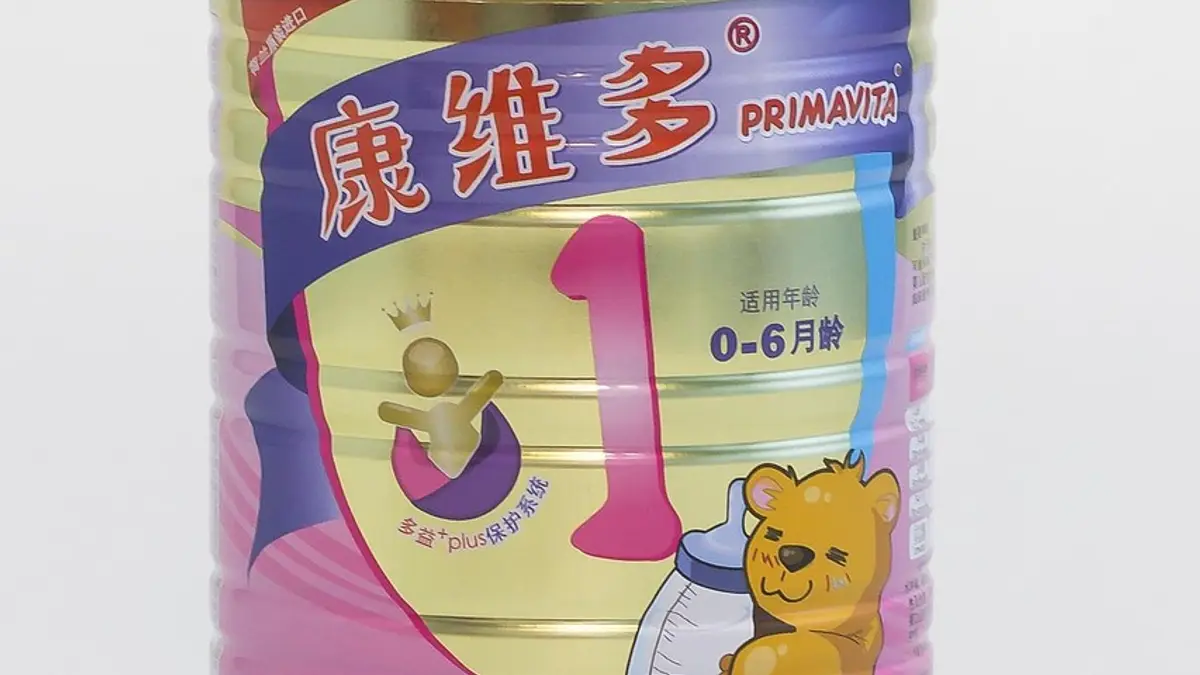
Listed duty does not mean permission to import
Read from the UK Trade Tariff on 29 September 2026, retail preparations suitable for infants or young children under 1901 10 00 00 carry 6% duty from China. The supplied tariff record shows no anti-dumping or countervailing duty and no suspension for this line. The table repeats this code for different formula formats; these are not separate tariff subdivisions.
Dairy products from China are prohibited from entering Great Britain, including where the dairy ingredients originate elsewhere. The tariff attaches veterinary, organic and genetically modified organism controls to this line. Ask your customs broker to confirm the attached veterinary requirements; veterinary paperwork does not establish eligibility for prohibited dairy goods.
For otherwise eligible organic food from China, a Great Britain certificate of inspection is required for each consignment. The tariff also flags controls on rice-containing products; ask your broker to confirm their application to the recipe. Confirm the commodity code using the complete formulation and retail presentation. See malt extract and baking mixes for the wider heading.
| Goods | Commodity code | Duty | Anti-dumping or countervailing duty on China |
|---|---|---|---|
| Retail infant formula based on cows’ milk | 1901 10 00 00 | 6% | None |
Specify the formula before assessing eligibility
Obtain the complete formulation, milk species, protein source, ingredient origins, manufacturing site and intended destination. Separate infant formula from follow-on formula in the specification. Record whether the product is powder or ready-to-feed liquid, together with the proposed pack, scoop, preparation instructions and storage conditions.
For any alternative supply that can legally enter Great Britain, arrange a specialist review of the formulation and label before approving artwork. Nutrition and health claims are prohibited on infant formula. Agree batch-specific composition and microbiological testing, seal checks and shelf-life evidence as purchasing specifications.
Worked duty example
Illustrative example, not a quote: An illustrative small-business consignment of retail tins; a tariff calculation only, not an eligible import order under 1901 10 00 00, invoiced at £14,000 free on board, with £2,000 of freight and insurance to the UK. The customs value is £16,000. Duty at 6% is £960. Import VAT at 20% is charged on the customs value plus duty, £16,960, so it is £3,392. Import taxes total £4,352; a VAT-registered importer can usually reclaim the VAT, so the lasting cost is the £960 of duty. The import duty and VAT guide explains each step. This assumes the goods are standard-rated for VAT. Most food for human consumption is zero-rated, and animal feed can be too, in which case no import VAT is due, so check the rate for your product in HMRC's VAT Notice 701/14.
Inspection checklist
Identity: match the manufacturing site, formulation revision and ingredient origins to the reviewed product dossier.
Batch evidence: match laboratory reports and retained samples to the actual production lot, rather than accepting a generic formula report.
Packaging: check tamper evidence, seals, tin damage, powder caking and the supplied scoop against the agreed specification.
Labels: compare preparation instructions, storage wording, batch identification and dates with approved artwork; check for prohibited nutrition and health claims.
Working out your own order? Send us the product on WhatsApp and we reply the same working day: WhatsApp us
What goes wrong
The central mistake is treating a commodity code, a duty rate or a supplier’s export experience as permission to import. Infant milk formula containing dairy from China cannot enter Great Britain. Using milk ingredients from another country does not remove the prohibition.
Technical checks can also miss a changed recipe, reports covering a different batch, damaged seals or mismatched preparation instructions. Inspecting stock on arrival cannot resolve an import prohibition. Settle eligibility before ordering, then use the checklist only for an eligible supply.
Cambridge China Bridge sources these products for UK businesses, checking the factory and the documents before shipment. See factory verification. For repeat volumes, see container programmes.
Frequently asked questions
What is the UK import duty on infant milk formula from China?
The supplied tariff record lists 6% for retail infant preparations under 1901 10 00 00, with no trade remedy or suspension. This does not permit prohibited dairy products from China to enter Great Britain.
Can I import Chinese infant milk formula into Great Britain?
Dairy products from China are prohibited from entering Great Britain. Infant milk formula containing dairy falls within that restriction.
Can a Chinese factory use imported milk to avoid the restriction?
No. Official guidance says dairy products from China are prohibited regardless of where they originate. Milk sourced from another country does not remove that restriction.
Can infant formula labels make nutrition or health claims?
No. Official infant formula guidance prohibits nutrition and health claims on infant formula. Arrange a specialist label review for any eligible alternative supply.