Sourcing tempura batter mixes from China
UK duty on tempura batter mixes is normally 6% under the residual food-preparation line; a qualifying low-starch preparation can carry 12%. Confirm classification from the recipe. Animal ingredients need import eligibility checks, and rice recipes need a separate control check. Cambridge China Bridge sources tempura batter mixes.
Buying from China for a business? How our UK China sourcing agent service works · China sourcing agent for small orders and first imports
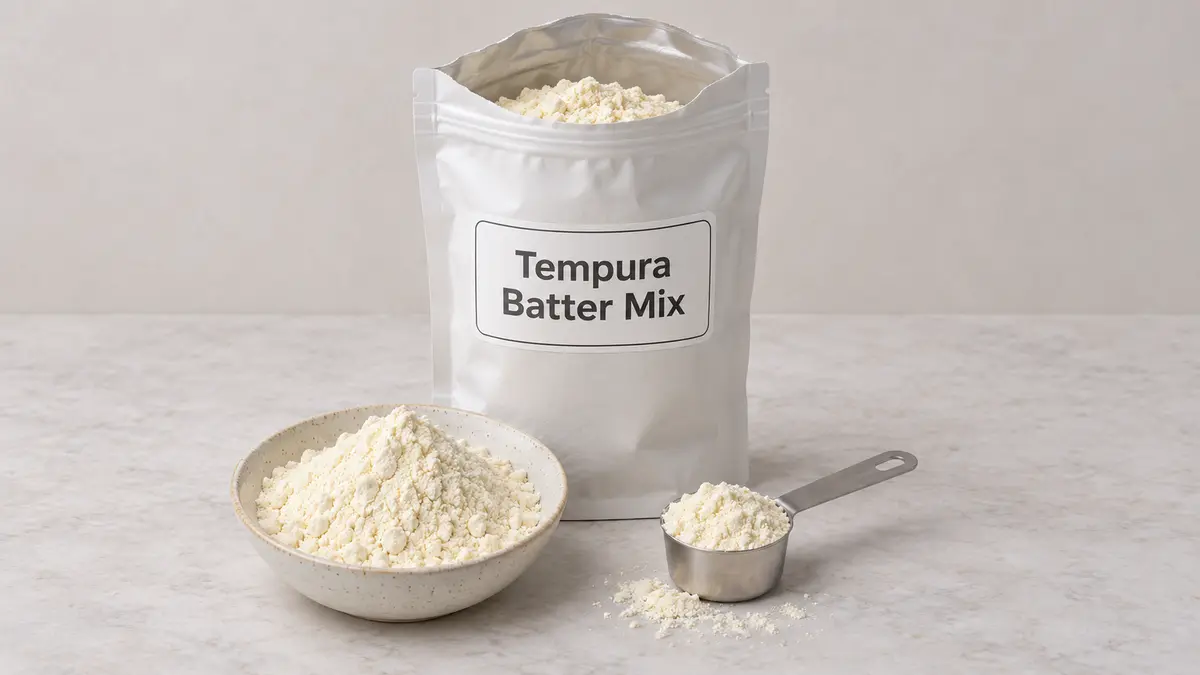
Duty depends on the batter recipe
Read from the UK Trade Tariff on 29 September 2026, heading 1901 covers specified food preparations based on flour, meal, starch or malt extract, alongside certain dairy preparations. The table repeats a candidate residual code for different batter recipes, rather than identifying separate tariff subdivisions. See the wider heading guide.
For Chinese-origin goods, 1901 90 99 90 carries 6% standard duty. The composition-restricted low-starch line 1901 90 91 00 carries 12%. No anti-dumping or countervailing measure is recorded. The residual line has a conditional 0.00 % suspension for a specified powder preparation, but the supplied scope text is incomplete. Do not assume it covers tempura mix; ask your broker to verify eligibility.
The tariff attaches veterinary and organic import controls. Milk or egg recipes need composite-product eligibility, document and border-control checks; confirm the applicable requirement with your customs broker. Organic consignments from China need a certificate of inspection. Controlled Chinese rice products enter through approved border control posts, so check rice recipes with port health. Confirm the commodity code using the full recipe and intended use.
| Goods | Commodity code | Duty | Anti-dumping or countervailing duty on China |
|---|---|---|---|
| Wheat-based tempura batter mix, subject to recipe confirmation | 1901 90 99 90 | 6% | None |
Specify how the tempura batter fries
Specify the flour and starch types, ingredient proportions, seasoning, raising agents and any milk or egg ingredients. Agree the powder-to-water ratio, mixing method, water temperature, batter resting behaviour and frying conditions. Test the coating on the vegetables or seafood your customer actually uses, checking adhesion, colour, oiliness and crispness after holding.
Agree moisture and microbiological acceptance criteria with your testing laboratory, remaining shelf life at delivery, and moisture-barrier sacks or retail packs. Confirm food-business registration requirements with your local authority. Ask the relevant food authority to confirm the applicable label requirements, including ingredients, allergen emphasis, net quantity, dates, storage information, a UK address and English wording. Approve artwork against the signed recipe before production.
Worked duty example
Illustrative example, not a quote: 12 tonnes of wheat-based tempura batter mix in catering sacks, illustrative under 1901 90 99 90, invoiced at £14,000 free on board, with £2,000 of freight and insurance to the UK. The customs value is £16,000. Duty at 6% is £960. Import VAT at 20% is charged on the customs value plus duty, £16,960, so it is £3,392. Import taxes total £4,352; a VAT-registered importer can usually reclaim the VAT, so the lasting cost is the £960 of duty. The import duty and VAT guide explains each step. This assumes the goods are standard-rated for VAT. Most food for human consumption is zero-rated, and animal feed can be too, in which case no import VAT is due, so check the rate for your product in HMRC's VAT Notice 701/14.
Inspection checklist
Recipe: compare the production ingredient record with the approved formula, including raising agents, seasoning and animal ingredients.
Frying trial: use the agreed mixing and frying method; compare coating adhesion, colour, crispness and oiliness with the approved sample.
Powder and sacks: check caking, unusual odour, foreign matter, pack weights, seal integrity and moisture damage on arrival.
Labels and batches: check allergen emphasis, dates, storage instructions and UK details against approved artwork; match batch markings to test reports. Use the inspection guide to brief the inspector.
Working out your own order? Send us the product on WhatsApp and we reply the same working day: WhatsApp us
What goes wrong
A sample can fry well while the shipment behaves differently after a flour, starch or raising-agent substitution. The coating becomes heavy, colours too quickly or loses crispness during service. Keep an approved sample and require written agreement before recipe changes.
Moisture entering a sack can cause caking and uneven mixing. A seasoning change can also introduce milk, egg or another undeclared allergen. Check production records and labels together, inspect sack liners and seals, and repeat the frying trial on arrival before releasing stock.
Cambridge China Bridge sources these products for UK businesses, checking the factory and the documents before shipment. See factory verification. For repeat volumes, see container programmes.
Frequently asked questions
What is the UK import duty on tempura batter mix from China?
The supplied tariff facts show 6% for 1901 90 99 90 and 12% for the composition-restricted low-starch line 1901 90 91 00. Confirm the recipe and code; do not assume the conditional suspension applies.
Can I import tempura mix containing milk or egg?
Check composite-product eligibility before ordering. Country and ingredient approvals, documents and border controls depend on the recipe and processing. Ask your broker to confirm the route for the exact product.
Does rice-flour tempura mix need extra import checks?
Check whether the recipe falls within Chinese rice-product controls. Controlled products enter through approved border control posts. Confirm the documents and testing with port health before shipping.
How should I test a tempura batter sample?
Use the intended vegetables or seafood and agreed mixing and frying conditions. Compare adhesion, colour, oiliness and crispness after holding, then repeat the trial with production stock.
Sources
- UK Trade Tariff — commodity codes and duty
- Import of composite products for human consumption
- Importing organic food, feed and seed to the UK
- Hull and Goole Port Health Authority: imported food control
- Suffolk Coastal Port Health Authority: importing rice products from China
- HMRC — Food products (VAT Notice 701/14)