Sourcing steam traps from China
Steam traps from China provisionally classified under the residual appliance line carry 2% UK duty, so the selected duty range is 2% throughout. For Great Britain, check pressure-equipment classification before specifying CE or UKCA marking, including the sound engineering practice exception. Cambridge China Bridge sources steam traps.
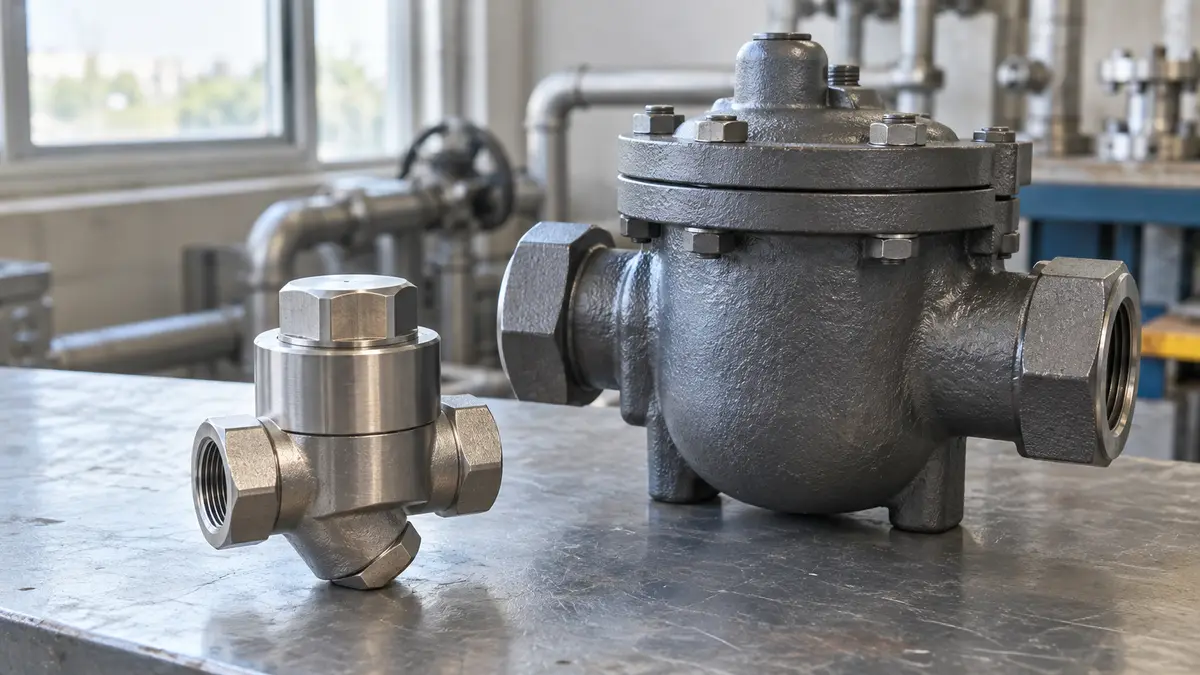
Steam-trap duty and classification
Heading 8481 covers taps, cocks, valves and similar appliances for pipes, boiler shells and tanks. Steam traps discharge condensate from steam systems. The table distinguishes purchasing types within the same residual appliance line; it does not represent separate tariff subdivisions.
Read from the UK Trade Tariff on 29 September 2026, code 8481 80 99 90 carried 2% duty for goods from China. The supplied record lists no anti-dumping or countervailing duty, suspension or attached import control for that line. Suspensions elsewhere in the heading do not establish relief for steam traps.
Confirm the commodity code against the actual mechanism and specification before ordering. For the wider valve heading, see pressure relief valves. Budget import VAT separately using the import duty and VAT guide.
| Goods | Commodity code | Duty | Anti-dumping or countervailing duty on China |
|---|---|---|---|
| Float steam traps, subject to classification confirmation | 8481 80 99 90 | 2% | None |
Specify the condensate duty and trap mechanism
State whether the trap serves a steam main, process vessel or heat exchanger. Give the operating steam pressure, return-line back pressure, condensate load during start-up and normal running, installation orientation and air-venting needs. Ask for a capacity curve at the actual differential pressure rather than accepting connection size as evidence of capacity.
Specify the mechanism, body material, seat and internal materials, maximum allowable pressure and temperature, thread or flange details, face-to-face dimensions and access for maintenance. Agree the leakage and functional test method, acceptance criteria and spare internals before approving the sample.
Pressure-equipment rules cover equipment above 0.5 bar maximum allowable pressure, subject to exclusions. Where conformity marking applies, CE or UKCA marking is available for Great Britain. Equipment within the sound engineering practice exception needs adequate instructions and must not carry those conformity markings unless another applicable law requires them.
Worked duty example
Illustrative example, not a quote: Illustrative order: 40 float steam traps under 8481 80 99 90, invoiced at £8,000 free on board, with £1,200 of freight and insurance to the UK. The customs value is £9,200. Duty at 2% is £184. Import VAT at 20% is charged on the customs value plus duty, £9,384, so it is £1,876.80. Import taxes total £2,060.80; a VAT-registered importer can usually reclaim the VAT, so the lasting cost is the £184 of duty. The import duty and VAT guide explains each step.
Inspection checklist
Identity: match the delivered model, mechanism, body material and batch identification to the approved sample and order.
Connections: measure threads or flanges and face-to-face dimensions; check the flow arrow, orientation and access to the cover and strainer.
Performance: review traceable pressure and leakage records; witness sample condensate-discharge and steam-retention tests under the agreed operating conditions.
Documents: match ratings and applicable conformity evidence to the exact model. For equipment within scope, the importer must ensure that instructions are supplied in clear, legible and easily understandable English. Use the inspection guide to organise checks before shipment and on arrival.
Working out your own order? Send us the product on WhatsApp and we reply the same working day: WhatsApp us
What goes wrong
A trap selected by pipe size alone can leave condensate in the equipment when return pressure rises. A substituted seat, float or thermostatic element can change discharge behaviour even when the casting looks identical. Ask the supplier to record internal component changes and repeat the agreed functional checks.
An ambient leak test does not demonstrate condensate discharge and steam retention in service. Wrong orientation, damaged seats and debris can cause poor operation or steam loss. Hold units with mismatched ratings, damaged connections or missing agreed evidence until the discrepancy is resolved.
Cambridge China Bridge sources these products for UK businesses, checking the factory and the documents before shipment. See factory verification. For machinery and equipment, see machinery imports.
Frequently asked questions
What is the UK import duty on steam traps from China?
The supplied tariff record gives 2% for residual appliance code 8481 80 99 90, with no listed trade remedy, suspension or import control. Confirm that code for the actual trap.
Do steam traps need CE or UKCA marking?
Where pressure-equipment conformity marking applies in Great Britain, CE or UKCA is available. The sound engineering practice exception prohibits those markings unless another applicable law requires them.
How do I specify a steam trap for my plant?
Give the condensate load, steam pressure, return back pressure, temperature, orientation and air-venting needs. Request capacity evidence at the actual differential pressure.
What should I test before accepting Chinese steam traps?
Check connections, materials and ratings, then review pressure and leakage records and witness agreed functional tests. Match the tested mechanism and internals to the delivered model.