Sourcing solenoid valves from China
Solenoid valves from China generally carry 2% UK duty; qualifying tariff suspensions reduce it to 0%. Match the complete valve specification to the commodity code. Where pressure-equipment rules apply in Great Britain, importers must ensure English instructions accompany the goods. Cambridge China Bridge sources solenoid valves.
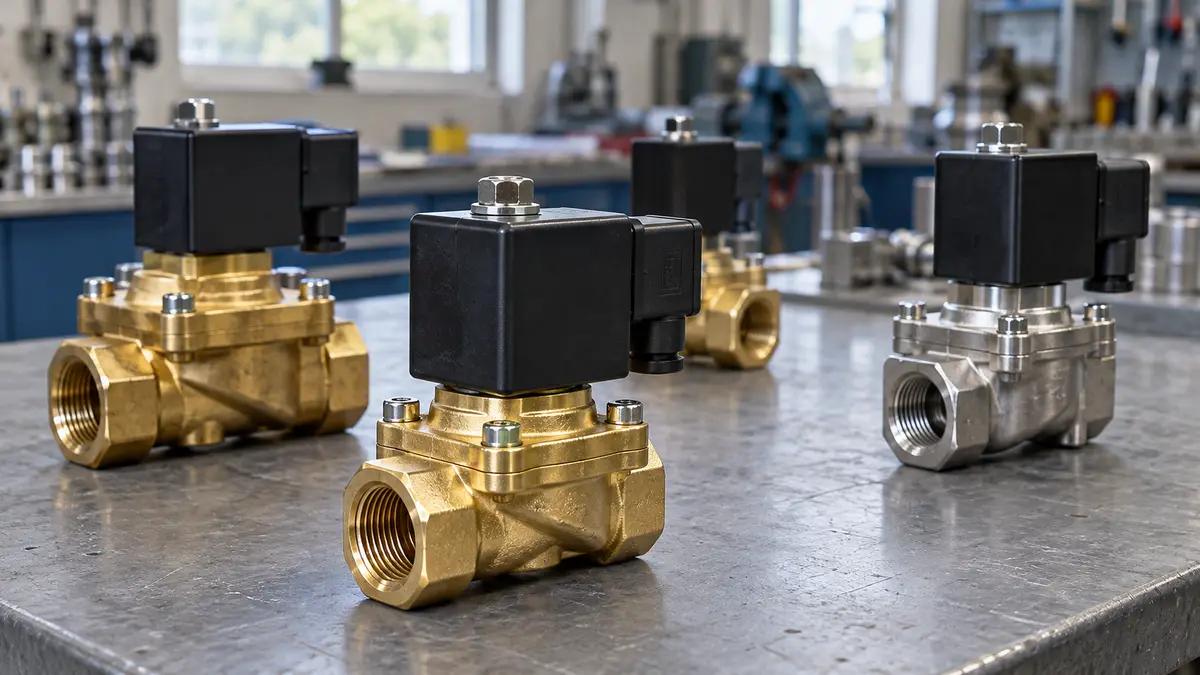
Duty depends on the valve's function
Heading 8481 covers taps, cocks, valves and similar appliances. Solenoid actuation alone does not identify the commodity line: distinguish general shut-off valves, process-control valves and specified engine valves. Read from the UK Trade Tariff on 29 September 2026, the selected lines carried 2% third-country duty for goods from China, with no anti-dumping or countervailing measures recorded.
The electromagnetic quantity-control lines 8481 80 59 50 and 8481 80 59 60 have 0% suspensions for goods meeting their precise descriptions, including coil characteristics. Their suspension footnotes exclude mixtures, preparations or products made up of different components containing these products. The selected engine-valve lines and general other-valves line have no suspension. No import controls are attached to the selected lines in the supplied tariff data.
Confirm the commodity code using the valve's function, construction, electrical characteristics and intended application before claiming a suspension. The table describes candidate classifications, not interchangeable codes. See the check-valves guide for another valve family within the wider heading, and import duty and VAT for the tax calculation. For UK-to-China sales, see our guide to exporting valves and taps.
| Goods | Commodity code | Duty | Anti-dumping or countervailing duty on China |
|---|---|---|---|
| Plunger-type electromagnetic quantity-control valves | 8481 80 59 50 | 2% | None |
| Electromagnetic quantity-control valves with specified coil characteristics | 8481 80 59 60 | 2% | None |
| Specified solenoid valves for engine oil pumps | 8481 80 59 80 | 2% | None |
| Specified solenoid valves for engine variable valve timing | 8481 80 99 80 | 2% | None |
| Other valves, including solenoid valves where this classification fits | 8481 80 99 90 | 2% | None |
Specify the coil, seals and pressure behaviour
State the fluid, temperature range, body material and seal compound. Specify normally open or normally closed operation, direct or pilot operation, minimum pressure differential, maximum working pressure, flow requirement and mounting orientation. Put the port thread and sealing method on the drawing, rather than accepting a catalogue photograph.
Specify coil voltage, alternating or direct current, power consumption, duty cycle, connector and cable arrangement. Agree opening and closing tests at the intended pressure differential, leakage acceptance and coil heating checks. For replacement engine valves, match the connector, mounting geometry and oil-control function to the approved sample.
Assess the pressure-equipment classification and electrical-equipment scope for the actual model before sale in Great Britain. HSE defines pressure accessories as devices with an operational function and pressure-bearing housings. Where pressure-equipment importer duties apply, English instructions must accompany the goods. For electrical equipment within the electrical-safety rules, the manufacturer must provide clear, legible instructions in easily understandable English.
Worked duty example
Illustrative example, not a quote: Illustrative order of 2,000 general-purpose solenoid valves under 8481 80 99 90, invoiced at £24,000 free on board, with £1,500 of freight and insurance to the UK. The customs value is £25,500. Duty at 2% is £510. Import VAT at 20% is charged on the customs value plus duty, £26,010, so it is £5,202. Import taxes total £5,712; a VAT-registered importer can usually reclaim the VAT, so the lasting cost is the £510 of duty. The import duty and VAT guide explains each step.
Inspection checklist
Identity: compare model, coil label, connector, body material and seal specification with the approved sample and order documents.
Connections: gauge the port threads and check mounting dimensions, flow-direction markings and connector fit on arrival.
Operation: test opening, closing and the unpowered state at the agreed pressure conditions; record internal seat leakage and external leakage separately.
Coil and records: check resistance, heating during the agreed duty cycle, cable retention and the instructions supplied. Compare results with the agreed inspection plan.
Working out your own order? Send us the product on WhatsApp and we reply the same working day: WhatsApp us
What goes wrong
A pilot-operated valve may click electrically yet fail to open when the pressure differential is too low. A substituted seal can swell or harden in the intended fluid, while debris on the seat can cause leakage after an apparently successful switching test. Test with conditions representative of the installation.
A matching body can conceal the wrong coil or connector. Lock the approved parts into the order specification and require approval before substitutions. Keep failed samples and batch identification so the factory can trace the fault rather than sending replacement coils without diagnosing it.
Cambridge China Bridge sources these products for UK businesses, checking the factory and the documents before shipment. See factory verification. For machinery and equipment, see machinery imports.
Frequently asked questions
What is the UK import duty on solenoid valves from China?
The selected lines carry 2% duty. Specified electromagnetic quantity-control valves can qualify for 0% suspensions. No anti-dumping or countervailing measures are recorded for these lines.
Can I use one commodity code for every solenoid valve?
Do not assume so. Classification depends on function and construction. Process-control, specified engine and general valves can fall under different lines; compare each model with the full tariff description.
Why does a solenoid valve click but not open?
A pilot-operated valve may lack the required pressure differential. Check the operating principle, flow direction, fluid conditions and coil supply against the approved specification.
What should I test before accepting solenoid valves?
Check connections, switching at the intended pressure, the unpowered state, seat and external leakage, and coil heating during the agreed duty cycle. Compare the body, seals and connector with the approved sample.