Sourcing rotary-cut birch veneer from China
Rotary-cut birch veneer sheets from China carry 0% UK duty across the relevant heading 4408 lines, with no recorded trade remedy. Ask the Office for Product Safety and Standards to confirm timber legality due diligence obligations, and confirm the tariff's plant health and CITES controls against the actual species and shipment. Cambridge China Bridge sources rotary-cut birch veneer sheets.
Buying from China for a business? How our UK China sourcing agent service works · China sourcing agent for small orders and first imports
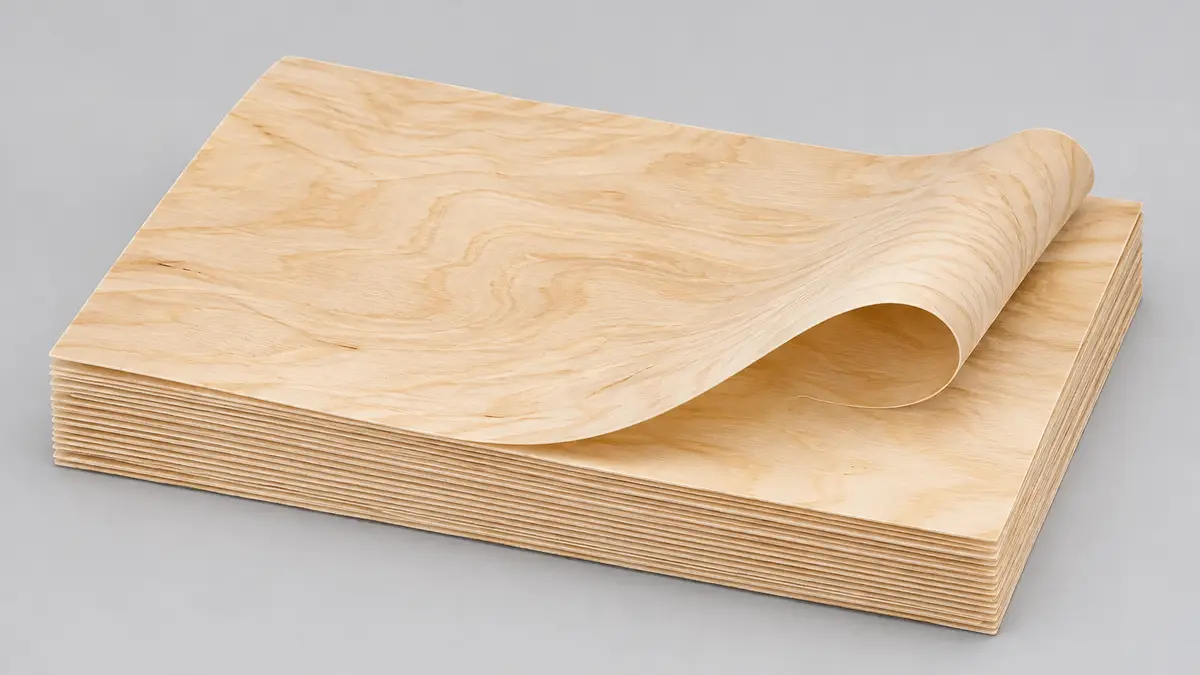
Zero duty on birch veneer sheets
Read from the UK Trade Tariff on 8 November 2026, heading 4408 covers veneer sheets and similar wood of thickness not exceeding 6 mm. Birch belongs in the other-species branch. Unworked sheets split at 1 mm; planed, sanded or end-jointed sheets have a separate line. The pencil-board line is relevant only when the goods are small boards for pencil manufacture. See the wider veneer guide.
The supplied tariff record shows 0% duty from China on these lines, no anti-dumping or countervailing duty and no suspension. It attaches a Quarantine Release Certificate and CITES import and export controls. Regulated wood material requires a phytosanitary certificate. The importer should confirm with their customs broker whether the actual birch sheets require plant health clearance or CITES documents; the tariff flag alone does not resolve species-specific applicability.
Confirm the botanical species, thickness, finish and intended use before choosing the code. Give the broker the specification and photographs, rather than relying on the supplier's description of birch veneer. Use finding your commodity code to check the classification.
| Goods | Commodity code | Duty | Anti-dumping or countervailing duty on China |
|---|---|---|---|
| Rotary-cut birch sheets, unworked, thickness not exceeding 1 mm | 4408 90 85 00 | 0% | None |
| Rotary-cut birch sheets, unworked, over 1 mm and not exceeding 6 mm | 4408 90 95 00 | 0% | None |
| Birch veneer sheets, planed, sanded or end-jointed | 4408 90 15 00 | 0% | None |
| Birch veneer cut into small boards for pencil manufacture, otherwise unworked | 4408 90 35 00 | 0% | None |
Specify birch species, grade and peeling quality
State the botanical species, rotary-cut process, sheet dimensions, thickness tolerance and whether the sheets are sanded or jointed. Define face, back or core use, permitted knots, repairs, splits, colour variation and peeling checks. Approve physical samples and defect photographs; a supplier's grade name alone leaves too much open.
Agree moisture acceptance, flatness, bundle identification and protective packing. Trial the veneer with your adhesive and pressing process. Before placement on the Great Britain market, ask the Office for Product Safety and Standards to confirm timber legality due diligence requirements. Gather species, harvest-country and supply-chain information, assess risks, reduce identified risks and keep records for your sourcing review. Ask where the birch was harvested, not just where it was peeled.
Worked duty example
Illustrative example, not a quote: Illustrative order: 40 cubic metres of rotary-cut birch veneer sheets, 0.6 mm thick under 4408 90 85 00, invoiced at £12,000 free on board, with £2,800 of freight and insurance to the UK. The customs value is £14,800. Duty at 0% is £0. Import VAT at 20% is charged on the customs value plus duty, £14,800, so it is £2,960. With no duty, the only import tax is the VAT, which a VAT-registered importer can usually reclaim. The import duty and VAT guide explains each step.
Inspection checklist
Identity: match the birch species, harvest records and bundle labels to the order; investigate mixed species or missing batch information.
Thickness and size: measure sampled sheets at several points, including edges, and compare dimensions and usable area with the agreed specification.
Surface and peeling: examine both faces for open peeling checks, splits, knots, repairs, stains and unacceptable colour variation; compare with approved samples.
Moisture and packing: check moisture with a calibrated meter, inspect inner bundles for mould or dampness, and record crushed edges, sheet counts and wrapping damage.
Working out your own order? Send us the product on WhatsApp and we reply the same working day: WhatsApp us
What goes wrong
A smooth-looking face can hide deep peeling checks that open during handling or pressing. Uneven thickness produces uneven bonding, while excessive moisture encourages mould and staining. Dry, brittle sheets split during lay-up. Reject or segregate affected bundles against the agreed acceptance criteria.
Chinese manufacture does not establish the harvest country or timber legality. Missing origin records can leave the due diligence file incomplete even when the sheets meet the physical specification. Obtain the records before shipment and use the inspection guide to turn the agreed defects into inspection instructions.
Cambridge China Bridge sources these products for UK businesses, checking the factory and the documents before shipment. See factory verification. For repeat volumes, see container programmes.
Frequently asked questions
What is the UK import duty on rotary-cut birch veneer from China?
The supplied tariff record shows 0% duty on the relevant heading 4408 lines, with no anti-dumping or countervailing duty and no suspension.
Which commodity code covers unsanded birch veneer?
Otherwise unworked sheets not exceeding 1 mm fall under 4408 90 85 00; thicker sheets within the heading fall under 4408 90 95 00. Confirm any planing or end-jointing before declaring.
Do birch veneer sheets need a phytosanitary certificate?
Regulated wood material requires one. The tariff attaches a Quarantine Release Certificate control, so ask your customs broker to confirm its application to the actual species, origin and processing.
What should I specify for birch plywood face veneer?
Specify species, thickness tolerance, sheet dimensions, moisture acceptance, permitted knots and repairs, colour variation and peeling checks. Approve samples and trial the sheets in your pressing process.