Sourcing bamboo veneer sheets from China
Bamboo veneer sheets classified within heading 4408 carry 0% UK duty from China across the relevant lines. Confirm the construction, finish and thickness before choosing the code, and resolve the tariff's species and plant health controls before shipment. Cambridge China Bridge sources bamboo veneer sheets.
Buying from China for a business? How our UK China sourcing agent service works · China sourcing agent for small orders and first imports
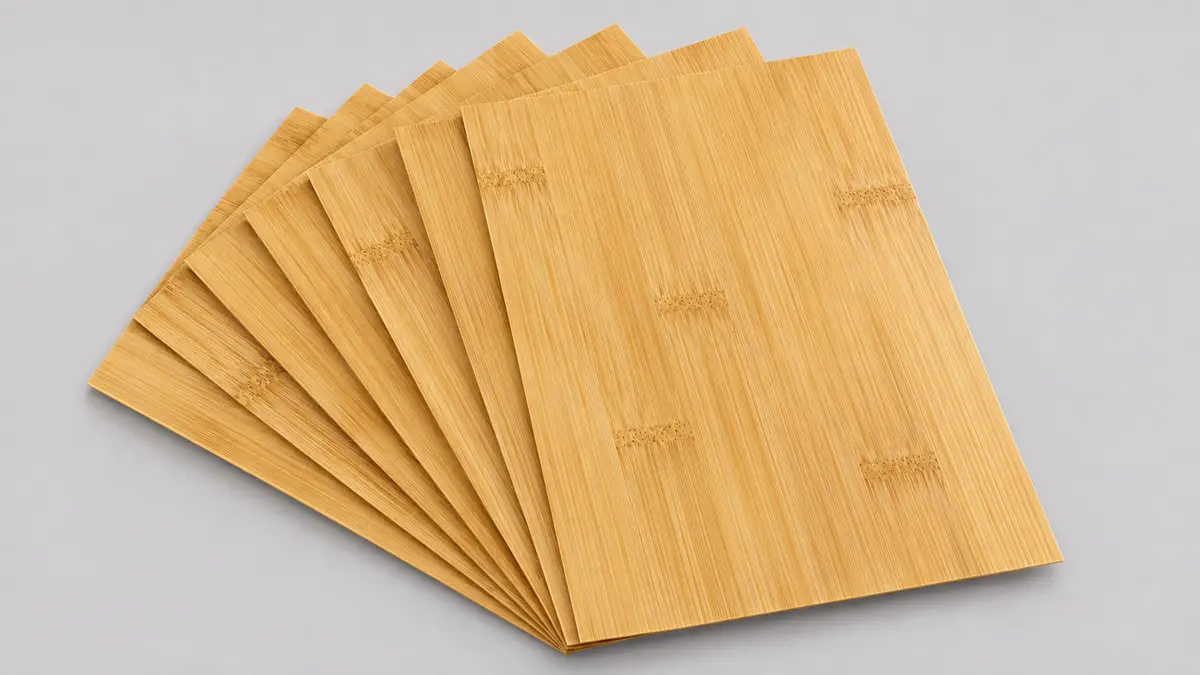
Zero duty, with construction and species checks
Read from the UK Trade Tariff on 4 October 2026, heading 4408 covers sheets for veneering, including sheets sliced from laminated material, of a thickness not exceeding 6 mm. The relevant other-material lines carry 0% duty from China, with no anti-dumping or countervailing duty or suspension recorded. Planed and sanded sheets share a code; other sheets split at 1 mm. Confirm that backed sheets or finished panels belong within this heading.
The relevant lines attach a Quarantine Release Certificate and CITES import and export controls. The importer should confirm the bamboo-specific plant health and release requirements with their customs broker. If the material is regulated, a phytosanitary certificate is required. If its species is listed in CITES Annex A, B or C, a permit is required; confirm the applicable import or export procedure before movement.
Give your broker the botanical species, construction, backing, finish and thickness when finding your commodity code. The table separates finished variants sharing a code rather than implying separate tariff lines. See the wider wood veneer sheets guide for other species and the duty and VAT guide for import calculations.
| Goods | Commodity code | Duty | Anti-dumping or countervailing duty on China |
|---|---|---|---|
| Planed bamboo veneer sheets | 4408 90 15 00 | 0% | None |
| Other bamboo veneer sheets, not exceeding 1 mm thick | 4408 90 85 00 | 0% | None |
| Other bamboo veneer sheets, exceeding 1 mm thick | 4408 90 95 00 | 0% | None |
Specify the bamboo face, joints and backing
Specify botanical species, natural or darkened colour, grain direction, visible strip joints and acceptable colour variation. State sheet dimensions, thickness tolerance, usable face area, sanding and whether the veneer is unbacked or supplied with a backing. Identify adhesive and backing materials. Approve a retained sample and trial it with your intended substrate, adhesive and pressing process.
For veneer placed on the Great Britain market, confirm with the relevant timber authority whether timber legality requirements apply to the actual materials and what information, risk assessment, mitigation and records are needed. Ask where the bamboo was harvested, rather than recording only the Chinese factory location. For sheets containing additional wood, identify those materials separately. Include appearance and bonding checks in your inspection brief.
Worked duty example
Illustrative example, not a quote: Illustrative order: 40 packs of sanded bamboo veneer sheets under 4408 90 15 00, invoiced at £12,000 free on board, with £2,800 of freight and insurance to the UK. The customs value is £14,800. Duty at 0% is £0. Import VAT at 20% is charged on the customs value plus duty, £14,800, so it is £2,960. With no duty, the only import tax is the VAT, which a VAT-registered importer can usually reclaim. The import duty and VAT guide explains each step.
Inspection checklist
Dimensions: measure thickness across sampled sheets and check sheet size, squareness and usable face area against the order.
Appearance: compare grain direction, colour, strip joints, sanding marks and splits with the retained sample, including sheets from different packs.
Bonding: trial sheets on the intended substrate and check for lifted joints, backing separation and adhesive showing through the face.
Condition: check moisture with a method suitable for the material, inspect for mould and edge damage, and reconcile pack labels and counts with the order.
Working out your own order? Send us the product on WhatsApp and we reply the same working day: WhatsApp us
What goes wrong
A sample can match the desired colour while the shipment mixes visibly different shades or grain directions. Strip joints can open during handling or pressing, and uneven sanding can leave thin patches that show through after finishing. Compare sheets across packs and retain an approved sample for each agreed appearance.
Backing or adhesive changes can alter pressing behaviour and leave bubbles or visible glue marks. Wet packs can stain or develop mould, while unsupported edges split during transport. Agree the construction, trial pressing result, packing method and acceptance criteria before shipment.
Cambridge China Bridge sources these products for UK businesses, checking the factory and the documents before shipment. See factory verification. For repeat volumes, see container programmes.
Frequently asked questions
What is the UK import duty on bamboo veneer sheets from China?
The relevant heading 4408 lines carry 0% duty from China in the supplied tariff reading dated 4 October 2026. No anti-dumping or countervailing duty is recorded.
Which commodity code covers sanded bamboo veneer?
4408 90 15 00 covers the relevant planed, sanded or end-jointed category. Confirm the actual construction and backing with your broker before declaring the goods.
Do bamboo veneer sheets need a phytosanitary certificate?
The tariff flags a Quarantine Release Certificate. Ask your broker to confirm whether your bamboo sheets are regulated plant health material; regulated material requires a phytosanitary certificate.
What should I check before accepting bamboo veneer?
Check thickness, usable face area, colour, grain direction, strip joints, backing adhesion and pack condition. Trial the sheets with your intended substrate and pressing process.