Sourcing sliced ash veneer sheets from China
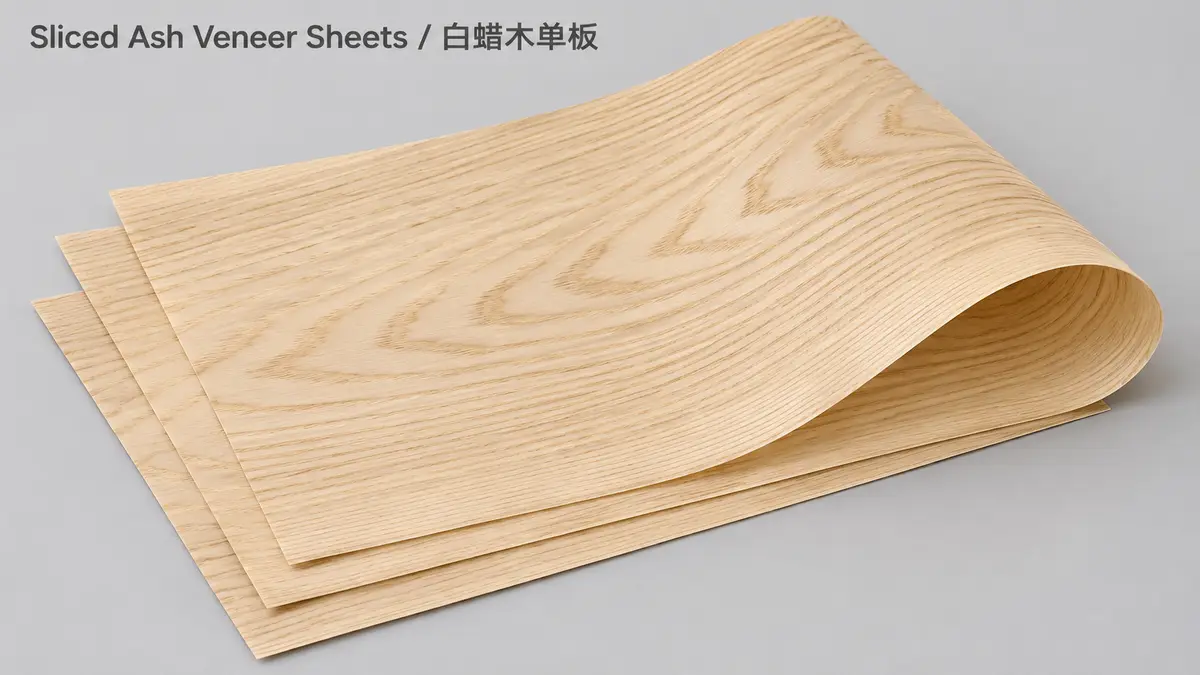
Sliced ash veneer sheets from China carry 0% UK duty across the relevant heading 4408 lines, with no listed anti-dumping or countervailing duty. Confirm with the relevant authority whether timber legality due diligence is required when placing veneer on the Great Britain market, and gather species and harvest-origin information. Cambridge China Bridge sources sliced ash veneer sheets.
Buying from China for a business? How our UK China sourcing agent service works · China sourcing agent for small orders and first imports
Zero duty, with species and origin checks
Read from the UK Trade Tariff on 4 October 2026, heading 4408 covers veneer sheets and other lengthwise sawn, sliced or peeled wood not exceeding 6 mm thick. Sliced ash belongs in the other-species branch. Planed, sanded or end-jointed sheets share a line; other sheets split at 1 mm. The planed and sanded examples in the table therefore share a commodity code. See the sliced oak veneer guide for related heading guidance.
The relevant ash lines carry 0% duty for goods from China. The supplied tariff facts list no anti-dumping duty, countervailing duty or suspension. They attach a Quarantine Release Certificate control and CITES import and export controls. Confirm with your customs broker whether the declared ash species, harvest origin and sliced material require phytosanitary certification and quarantine release before shipment.
For regulated wood imported from China, the quarantine release certificate must be presented to HMRC with the customs declaration. CITES permits depend on the listed species; confirm the applicable documents with your broker rather than relying on the trade name ash. Match species, thickness and processing to the commodity code.
| Goods | Commodity code | Duty | Anti-dumping or countervailing duty on China |
|---|---|---|---|
| Planed sliced ash veneer sheets | 4408 90 15 00 | 0% | None |
| Other sliced ash veneer sheets, not exceeding 1 mm | 4408 90 85 00 | 0% | None |
| Other sliced ash veneer sheets, exceeding 1 mm but not exceeding 6 mm | 4408 90 95 00 | 0% | None |
Specify ash grain, colour and bundle sequence
Name the botanical species and country of harvest, and distinguish natural sliced veneer from dyed or reconstructed material. Specify the slicing method, grain appearance, sapwood and darker heartwood allowance, usable leaf dimensions, thickness tolerance, moisture acceptance range and permitted knots, splits and repairs. Agree whether faces will be book matched or slip matched.
Approve a labelled sample bundle and photographs showing the acceptable colour range. Keep consecutive leaves in order and identify each bundle so the workshop can reproduce the approved matching. Confirm with the relevant authority whether the UK Timber Regulations apply to the veneer and what due diligence is required. Gather species, harvest and supply-chain information, assess illegal-harvest risk, mitigate identified risks and keep records.
Worked duty example
Illustrative example, not a quote: An illustrative batch of unsanded, unplaned sliced ash veneer bundles for a furniture workshop under 4408 90 85 00, invoiced at £12,000 free on board, with £2,800 of freight and insurance to the UK. The customs value is £14,800. Duty at 0% is £0. Import VAT at 20% is charged on the customs value plus duty, £14,800, so it is £2,960. With no duty, the only import tax is the VAT, which a VAT-registered importer can usually reclaim. The import duty and VAT guide explains each step.
Inspection checklist
Thickness: measure sampled leaves across their width and length against the agreed tolerance; check usable dimensions after trimming damaged edges.
Appearance: compare grain, colour, sapwood, knots, stains, splits and repairs with the approved bundle, including a trial finish where appearance matters.
Sequence: open sampled bundles and check consecutive leaf order, matching direction, bundle identification and counts against the packing list.
Moisture and packing: check moisture with a calibrated method suited to thin veneer, inspect for mould and wet wrapping, and confirm packs protect edges. Use the inspection guide to set out acceptance checks.
Working out your own order? Send us the product on WhatsApp and we reply the same working day: WhatsApp us
What goes wrong
Mixed colour grades and shuffled leaves make adjacent furniture faces look unrelated. Uneven thickness causes pressing problems; brittle leaves split during handling, while damp bundles stain or develop mould. Agree rejection criteria against the approved sample and inspect inside packs before dispatch, then repeat the condition checks on arrival.
A Chinese factory address does not establish where the ash was harvested. Missing species or harvest records leave the timber due diligence file incomplete. Collect the supporting documents before ordering and resolve any inconsistency between the sample, invoice and bundle labels.
Cambridge China Bridge sources these products for UK businesses, checking the factory and the documents before shipment. See factory verification. For repeat volumes, see container programmes.
Frequently asked questions
What is the UK import duty on sliced ash veneer from China?
Read from the UK Trade Tariff on 4 October 2026, the relevant heading 4408 lines carry 0% duty, with no listed anti-dumping or countervailing duty.
Do sliced ash veneer sheets need timber due diligence?
Confirm with the relevant authority whether timber due diligence is required when the veneer is first placed on the Great Britain market. Gather species, harvest-country and supply-chain evidence, assess illegal-harvest risk, mitigate identified risks and retain records.
Does the CITES flag mean all ash veneer needs a permit?
Permit requirements depend on the listed species. Identify the botanical species and have your customs broker confirm the applicable CITES documents before shipment.
How do I keep ash veneer faces matched?
Specify book matching or slip matching, approve the colour and grain range, and require consecutive leaves to remain in labelled bundles. Check sequence inside sampled packs before shipment.