Sourcing red bean flour from China
Plain red bean flour from China attracts 6% UK import duty under the pulse-flour line, with no duty range within this product family. Imported flour must meet the same food hygiene standards as domestic food. Organic consignments need additional import documents. Cambridge China Bridge sources red bean flour.
Buying from China for a business? How our UK China sourcing agent service works · China sourcing agent for small orders and first imports
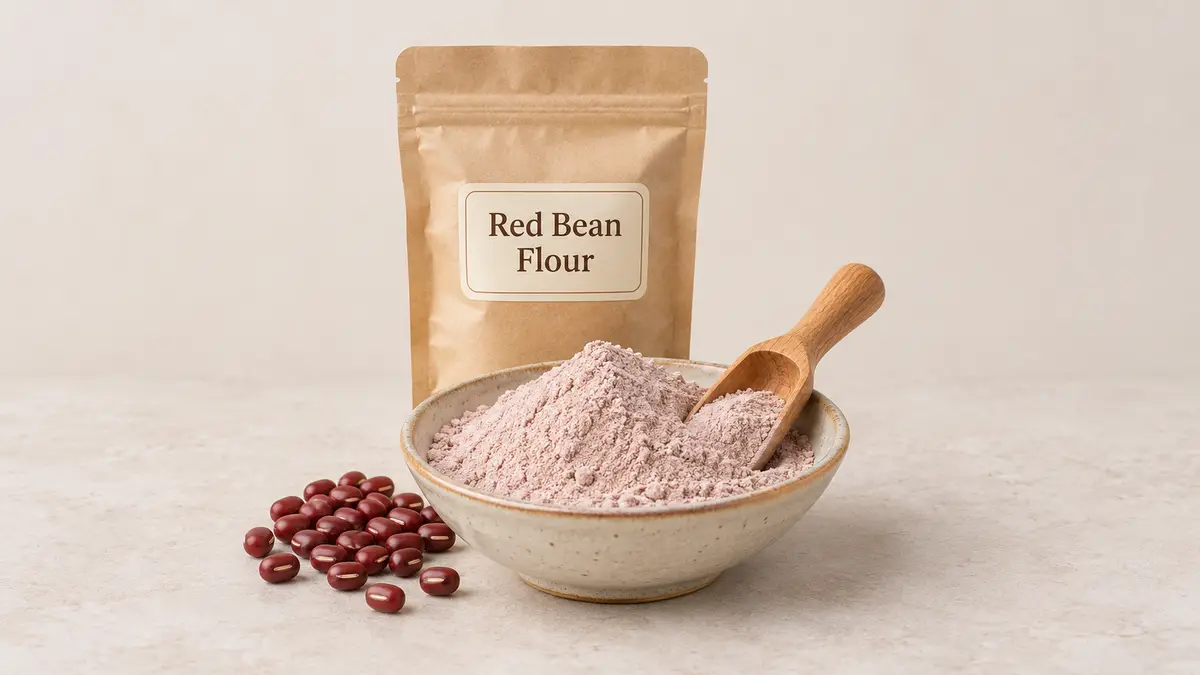
Red bean flour classification and duty
Read from the UK Trade Tariff on 29 September 2026, heading 1106 covers flour, meal and powder of dried pulses, certain roots and tubers, and fruit and nuts. Plain red bean flour belongs to the dried-pulse line, 1106 10 00 00. The table shows purchasing formats under the same commodity line. See the wider flour guide for other products.
The supplied tariff record gives a 6% duty for goods from China and records no anti-dumping or countervailing duty for this line. Its suspension applies only to Black Gram Dhal Flour made from dehulled Vigna Mungo lentils, so it does not cover red bean flour. The tariff also attaches an organic-products import control.
For organic flour from China entering Great Britain, obtain a certificate of inspection for each consignment and check the exporter’s control body and export country against the recognised organic registers. Confirm the complete recipe and processing method with your customs broker before using this code, especially for sweetened or blended powders. Use finding your commodity code.
| Goods | Commodity code | Duty | Anti-dumping or countervailing duty on China |
|---|---|---|---|
| Red bean flour for baking | 1106 10 00 00 | 6% | None |
Specify the bean and milling process
Specify the bean species and variety rather than accepting only the name red bean powder. State whether the beans are whole or dehulled and whether the flour is raw, roasted or otherwise heat-treated. Ask for the complete composition, including any sugar, starch or carrier. Keep sweetened drink powders separate from your plain-flour specification.
Agree particle size, moisture acceptance criteria, colour, flavour, packing material and storage instructions. Trial the sample in your actual dough, filling or batter, checking grittiness and water absorption. Agree batch-specific testing for the risks identified in your product assessment through testing and certification.
Imported plant foods must meet the same food hygiene standards and procedures as food produced in Great Britain. Register your food business with your local authority. Obtain the factory’s ingredient and allergen information before approving packaging; pre-packed food sold in Great Britain must carry a UK food-business or importer address.
Worked duty example
Illustrative example, not a quote: Illustrative bulk-bag order for a small bakery under 1106 10 00 00, invoiced at £1,000 free on board, with £138 of freight and insurance to the UK. The customs value is £1,138. Duty at 6% is £68.28. Import VAT at 20% is charged on the customs value plus duty, £1,206.28, so it is £241.26. Import taxes total £309.54; a VAT-registered importer can usually reclaim the VAT, so the lasting cost is the £68.28 of duty. The import duty and VAT guide explains each step. This assumes the goods are standard-rated for VAT. Most food for human consumption is zero-rated, and animal feed can be too, in which case no import VAT is due, so check the rate for your product in HMRC's VAT Notice 701/14.
Inspection checklist
Identity: compare the bean declaration, composition and processing description with the approved specification and sample.
Flour condition: check colour, odour, grittiness, caking, insects and foreign material; repeat the agreed cooking trial using an arrival sample.
Packaging: check sealed liners, dry bags, legible batch identification and matching delivery records. Review allergen information and the UK address on retail packs.
Batch evidence: match test reports to the delivered lot and retain supplier and business-customer traceability records. For organic orders, match the inspection certificate to the consignment.
Working out your own order? Send us the product on WhatsApp and we reply the same working day: WhatsApp us
What goes wrong
A sample made from dehulled beans can perform differently from a shipment milled with skins. A change in heat treatment or grind can alter colour, flavour and water absorption. Record these details in the purchase specification and compare the delivered flour with the retained sample.
Damp liners and poor seals can leave flour caked or musty. Hold suspect bags apart while you investigate with the supplier. Do not assume a factory’s organic certificate replaces the consignment inspection certificate, or that the black gram suspension covers red bean flour.
Cambridge China Bridge sources these products for UK businesses, checking the factory and the documents before shipment. See factory verification. For repeat volumes, see container programmes.
Frequently asked questions
What is the UK import duty on red bean flour from China?
The supplied tariff record gives 6% under 1106 10 00 00 for plain red bean flour from China. No anti-dumping or countervailing duty is recorded for this line.
Does the black gram flour duty suspension cover red bean flour?
No. The recorded suspension is restricted to Black Gram Dhal Flour made from dehulled Vigna Mungo lentils. It does not cover red bean flour.
What documents do organic red bean flour imports need?
For China-to-Great-Britain imports, obtain a consignment certificate of inspection and check the exporter’s control body and export country against the recognised organic registers.
How do I check red bean flour before buying?
Confirm bean identity, complete composition, dehulling, heat treatment and grind. Trial the sample in your recipe, then agree batch testing, moisture acceptance criteria and sealed packaging.
Sources
- UK Trade Tariff — commodity codes and duty
- Importing plant products and vegetarian products
- Importing organic food, feed and seed to the UK
- Food labelling: giving food information to consumers
- Running a food business: your responsibilities
- Running a food business: suppliers and traceability
- HMRC — Food products (VAT Notice 701/14)