Sourcing mung bean flour from China
Mung bean flour from China has a recorded UK duty of 6%. Imported food must meet general food safety requirements, and organic consignments need additional documentation. Specify milled beans rather than extracted starch, then check batch identity and milling quality. Cambridge China Bridge sources mung bean flour.
Buying from China for a business? How our UK China sourcing agent service works · China sourcing agent for small orders and first imports
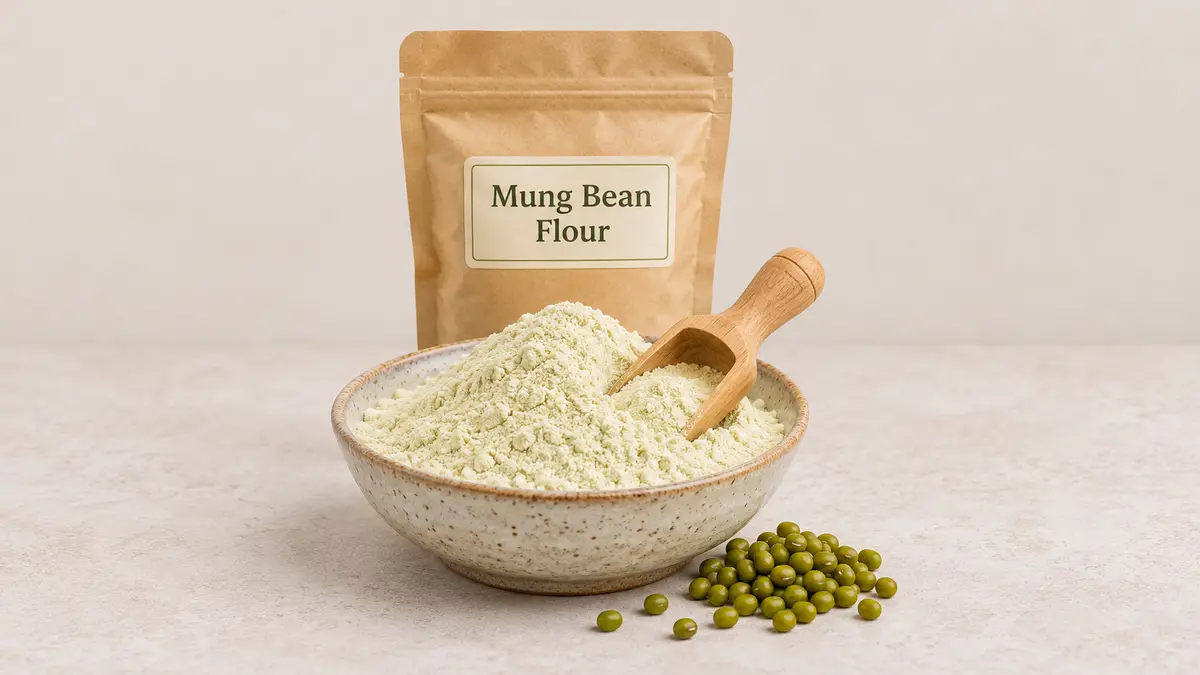
Mung bean flour duty and import controls
Read from the UK Trade Tariff on 29 September 2026, heading 1106 covers flour, meal and powder of dried pulses and certain other plant products. Mung bean flour falls within the dried-pulse line 1106 10 00 00. This file contains only one relevant commodity line. See the wider flour guide for the rest of the heading.
The recorded duty for goods from China is 6%, with no anti-dumping or countervailing duty recorded. The suspension listed under this code applies specifically to Black Gram Dhal Flour made from Vigna Mungo, rather than mung bean flour. The tariff also attaches an organic import control. For organic shipments from China to Great Britain, obtain a consignment certificate of inspection and check the exporter's certification route against the recognised organic registers.
Give your customs broker the ingredient declaration, milling process and intended use before confirming the code. Extracted mung bean starch or a prepared mixture needs a separate classification check. Use finding your commodity code before agreeing the customs declaration.
| Goods | Commodity code | Duty | Anti-dumping or countervailing duty on China |
|---|---|---|---|
| Mung bean flour | 1106 10 00 00 | 6% | None |
Specify the beans, milling and cooking behaviour
Describe the product as milled mung beans and state whether the skins remain. Agree fineness, colour, moisture specification, any heat treatment and the intended recipe. Request an ingredient declaration to establish whether the supplier has added starch, another pulse flour or processing ingredients.
Approve a sample in your own cooking process. Compare water absorption, texture and flavour with the production sample. Agree batch-specific testing for microbiological quality, pesticide residues and contaminants with a laboratory, rather than treating appearance as proof of safety. Food intended for human consumption must meet general food safety requirements.
For retail packs sold in Great Britain, include the responsible food business's UK address, or the UK importer's address where that business is outside the UK. The address must be a physical postal address. Pre-packed food usually needs a best-before or use-by date. Approve the artwork before the factory prints bags.
Worked duty example
Illustrative example, not a quote: Illustrative small-business order of bagged mung bean flour; values are illustrative under 1106 10 00 00, invoiced at £1,000 free on board, with £100 of freight and insurance to the UK. The customs value is £1,100. Duty at 6% is £66. Import VAT at 20% is charged on the customs value plus duty, £1,166, so it is £233.20. Import taxes total £299.20; a VAT-registered importer can usually reclaim the VAT, so the lasting cost is the £66 of duty. The import duty and VAT guide explains each step. This assumes the goods are standard-rated for VAT. Most food for human consumption is zero-rated, and animal feed can be too, in which case no import VAT is due, so check the rate for your product in HMRC's VAT Notice 701/14.
Inspection checklist
Identity: match the ingredient declaration, batch details and bag description to the approved mung bean flour sample.
Milling: compare colour, fineness and cooking behaviour; investigate unexpected skin particles, grittiness or a changed texture.
Condition: inspect bag seals, liners and pallet protection; isolate damp, torn, mouldy or pest-affected bags for investigation.
Documents: match laboratory reports to the delivered batch, check the agreed label artwork and, for organic stock, check the consignment certificate and certification route.
Working out your own order? Send us the product on WhatsApp and we reply the same working day: WhatsApp us
What goes wrong
A supplier may use the same translated description for milled bean flour and extracted starch. A sample that performs well in a starch-based recipe does not establish that the delivered product matches your flour specification. Keep the ingredient declaration and approved sample alongside the purchase specification.
Moisture ingress, weak seals and changes in milling can leave usable-looking bags with clumps or inconsistent cooking results. Hold affected stock while you investigate. An organic claim also needs its import documentation; a supplier's organic logo alone does not establish the recognised certification route.
Cambridge China Bridge sources these products for UK businesses, checking the factory and the documents before shipment. See factory verification. For repeat volumes, see container programmes.
Frequently asked questions
What is the UK import duty on mung bean flour from China?
The supplied tariff record gives 6% for 1106 10 00 00. No anti-dumping or countervailing duty is recorded. The black gram flour suspension does not cover mung bean flour.
Is mung bean flour the same as mung bean starch?
Specify whether the supplier mills the beans or extracts starch. Ask for the ingredient declaration and process description, then test the sample in your recipe and confirm classification with your broker.
Can I import organic mung bean flour from China?
Check the recognised organic certification route before ordering. Organic consignments into Great Britain need a certificate of inspection issued by the exporter's control body.
What should I check when mung bean flour arrives?
Match batch details and reports, inspect seals and moisture damage, and compare fineness, colour and cooking behaviour with the approved sample. Investigate clumps, pests, mould or unexplained ingredient changes.