Sourcing silver-zinc batteries from China
Selected lines carry 0% to 2% UK duty: complete rechargeable silver-zinc batteries fall under other accumulators at 0%, while separately imported parts normally carry 2%. Check mercury content, battery marking and producer responsibilities before sale. Cambridge China Bridge sources rechargeable silver-zinc batteries.
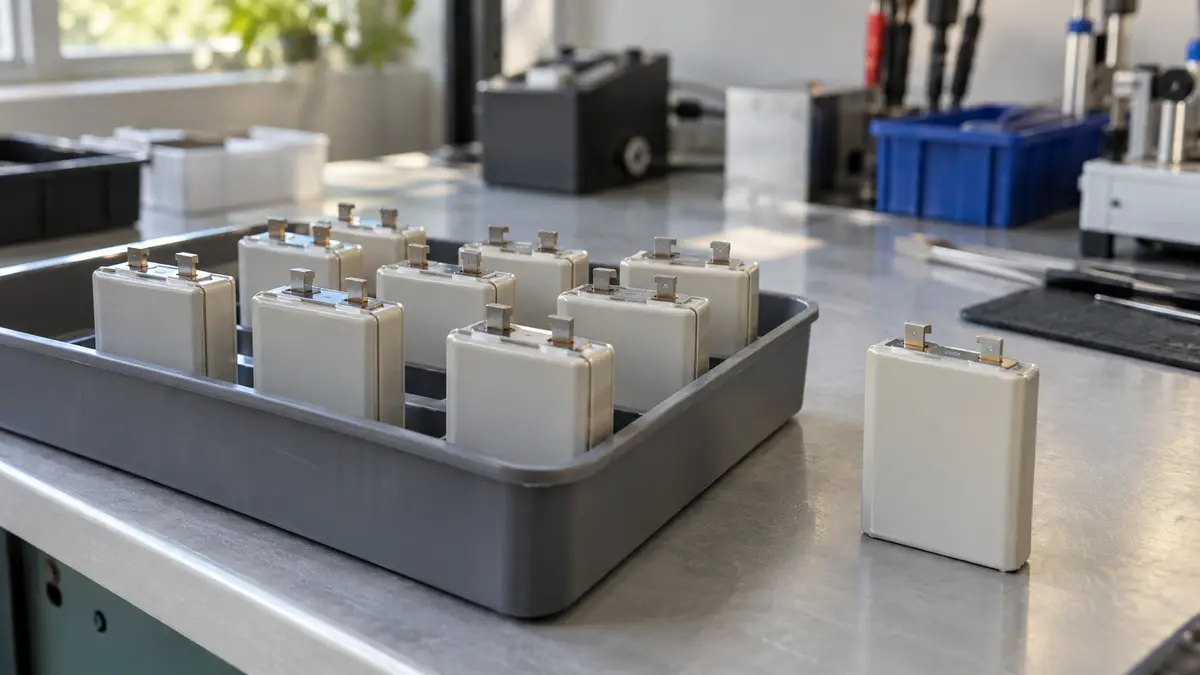
Silver-zinc battery duty and classification
Read from the UK Trade Tariff on 29 September 2026, heading 8507 covers electric accumulators and their separators. Rechargeable silver-zinc batteries should be checked against other accumulators under 8507 80 00 90, carrying 0% duty for goods from China. The selected parts lines carry 2%. No anti-dumping or countervailing duty is shown. The parts rows concern separate component purchases, rather than complete batteries.
No suspension is shown for the complete-battery line. Parts suspensions have restricted descriptions and should not be assumed to cover silver-zinc components; some supplied descriptions are incomplete. The tariff attaches mercury import and export controls to the complete-battery line and export controls to the parts lines. Official guidance says mercury-added product controls concern intentionally added mercury. Obtain a composition declaration and ask your customs broker to confirm applicability, any prohibition and the documents required for goods from China.
Confirm the commodity code using the chemistry, rechargeable function and whether the shipment contains complete cells or separate parts. Do not classify a non-rechargeable silver-oxide button cell as an accumulator merely because its chemistry sounds similar. For wider heading coverage, see nickel-zinc batteries.
| Goods | Commodity code | Duty | Anti-dumping or countervailing duty on China |
|---|---|---|---|
| Other accumulators, including rechargeable silver-zinc batteries | 8507 80 00 90 | 0% | None |
| Other plastic-film battery separators, thickness not exceeding 40 micrometres | 8507 90 31 90 | 2% | None |
| Other battery separators | 8507 90 39 90 | 2% | None |
| Other accumulator parts | 8507 90 80 90 | 2% | None |
Specify silver-zinc chemistry and charging
Specify rechargeable silver-zinc chemistry explicitly. Record nominal voltage, capacity, dimensions, terminal arrangement, polarity and the intended equipment. Agree capacity testing at a stated discharge current, temperature and cut-off voltage. Ask for the charging profile, compatible charger, storage conditions and evidence supporting the claimed cycle life.
Require the factory to identify the cell model and document changes to electrodes, separator, electrolyte or sealing. Test approved samples in your actual equipment and charger. Give the exact model and safety data sheet to the forwarder so that shipment arrangements reflect the supplied battery.
For Great Britain, batteries cannot contain more than 0.0005% mercury by weight. Confirm with the relevant authority the applicable crossed-out wheeled bin marking and whether a UK business first making batteries available in its selling chain is the battery producer. Establish the battery category and applicable registration and waste responsibilities before sale, and confirm the market rules separately for Northern Ireland.
Worked duty example
Illustrative example, not a quote: Illustrative order: 200 rechargeable silver-zinc cells; FOB and freight values are illustrative. under 8507 80 00 90, invoiced at £4,000 free on board, with £600 of freight and insurance to the UK. The customs value is £4,600. Duty at 0% is £0. Import VAT at 20% is charged on the customs value plus duty, £4,600, so it is £920. With no duty, the only import tax is the VAT, which a VAT-registered importer can usually reclaim. The import duty and VAT guide explains each step.
Inspection checklist
Capacity: discharge samples under the agreed conditions and compare delivered capacity and runtime with the approved specification.
Charging and fit: check charger compatibility, charging behaviour, dimensions, terminal position and polarity against the approved sample and intended equipment.
Condition: inspect arriving cells for leakage, swelling, corrosion, damaged seals and crushed packaging; isolate suspect stock for investigation.
Identity and marking: match model and batch references to test records, check the approved battery and packaging artwork, and verify the applicable bin symbol. Arrange quality inspection before shipment.
Working out your own order? Send us the product on WhatsApp and we reply the same working day: WhatsApp us
What goes wrong
A supplier may offer a primary silver-oxide cell when the buyer needs a rechargeable silver-zinc cell. A matching shape or an unloaded voltage reading does not establish rechargeability, capacity or charger compatibility. Record the exact chemistry and test method in the order, then compare bulk samples with the approved cells.
Different discharge conditions can make capacity claims difficult to compare. Unapproved material changes, unsuitable charging settings and damaged seals can produce poor runtime or failed cells. Keep batch records and investigate the failure before accepting replacement stock; agree how the factory will support that investigation.
Cambridge China Bridge sources these products for UK businesses, checking the factory and the documents before shipment. See factory verification. For components and parts, see sourcing for manufacturers.
Frequently asked questions
What is the UK import duty on rechargeable silver-zinc batteries from China?
Other accumulators under 8507 80 00 90 carry 0% duty. The selected separately imported parts lines carry 2%. No anti-dumping or countervailing duty is shown.
Are rechargeable silver-zinc batteries the same as silver-oxide button cells?
Do not assume so. Ask the factory to confirm rechargeable chemistry and provide charging instructions for the exact model. Primary cells are classified separately from accumulators.
Does importing silver-zinc batteries make me a battery producer?
Confirm with the relevant authority whether your business is a battery producer if it has a UK presence and is first in its selling chain to make batteries available on the UK market. Check the category and corresponding registration and waste responsibilities.
How do I check silver-zinc battery capacity?
Discharge samples at the agreed current, temperature and cut-off voltage. Compare capacity and equipment runtime with the approved specification, then check charging with the intended charger.