Sourcing raw snakeskins from China
Raw snakeskins from China attract 0% UK customs duty under 4103 20 00 00. The tariff attaches veterinary and CITES controls. Establish the species and preservation method, check applicable wildlife permits, and confirm veterinary requirements before shipment. Cambridge China Bridge sources raw snakeskins.
Buying from China for a business? How our UK China sourcing agent service works · China sourcing agent for small orders and first imports
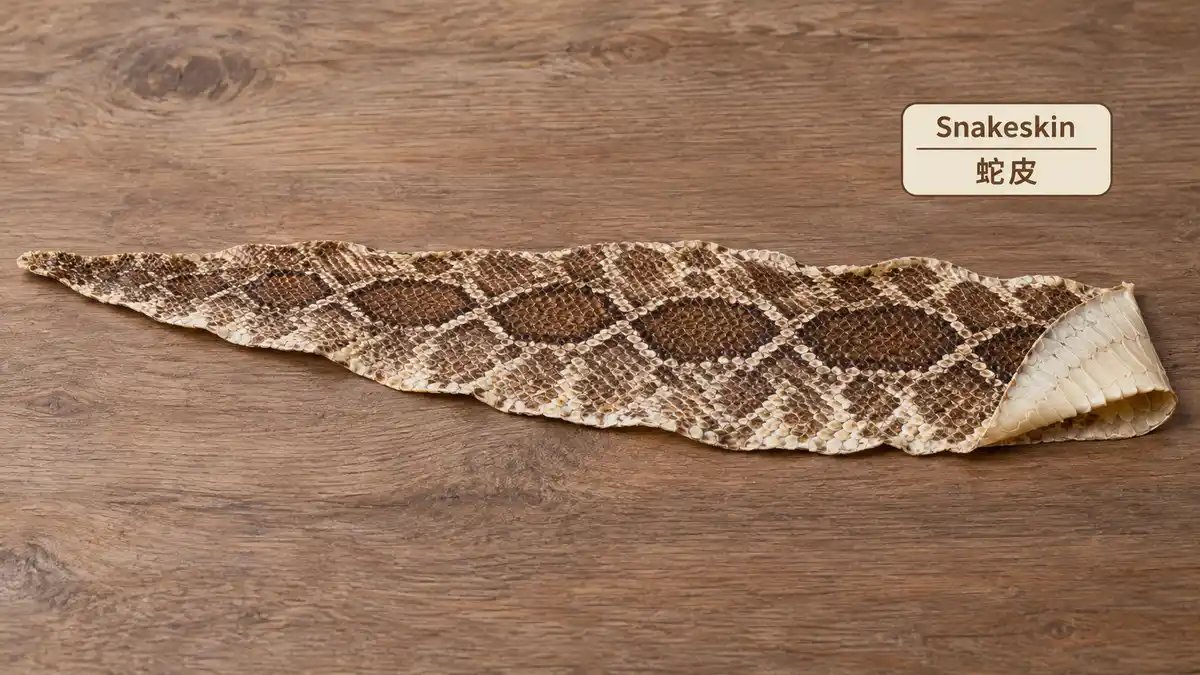
Duty and controls for raw snakeskins
Read from the UK Trade Tariff on 29 September 2026, heading 4103 covers other raw hides and skins, including preserved skins, but excludes tanned, parchment-dressed or further prepared material. Raw snakeskins fall within the reptile line 4103 20 00 00. The table shows preservation variants within that same commodity line.
The supplied tariff record gives 0% duty for goods from China, with no anti-dumping duty, countervailing duty or suspension recorded for this line. It attaches veterinary control and CITES import and export controls. Confirm the China-specific veterinary requirement with your customs broker before shipment; ask whether the tariff's animal-product entry-document condition applies to the particular skins.
Confirm species and processing history using finding your commodity code. If the material has already been tanned, compare the guide to crust snakeskin leather. Do not classify material solely from a supplier's description of it as raw.
| Goods | Commodity code | Duty | Anti-dumping or countervailing duty on China |
|---|---|---|---|
| Fresh raw snakeskins, not tanned | 4103 20 00 00 | 0% | None |
Specify species, preservation and usable skin
Specify the scientific species name, source country, supplier and preservation method. Request records supporting the claimed animal source, rather than accepting a generic description such as python skin. Agree whether the skin is belly-cut or back-cut, which areas must remain usable, and how length and width will be measured.
Agree acceptable holes, knife cuts, scars, damaged scales and edge trimming against labelled sample photographs. Ask the receiving tannery to approve the preservation method and condition before ordering. Record treatment history so that salted, dried and pickled material cannot be substituted without agreement.
For CITES-listed material moving from China into Great Britain, apply for the applicable permit and contact the Chinese management authority for the corresponding export documentation. Importing Annex A specimens is limited to exceptional circumstances. For Annex B material sold in Great Britain, retain evidence of lawful acquisition.
Worked duty example
Illustrative example, not a quote: Illustrative values omitted: the supplied files contain no order values, and the instructions prohibit inventing numbers. under 4103 20 00 00, invoiced at £0 free on board, with £0 of freight and insurance to the UK. The customs value is £0. Duty at 0% is £0. Import VAT at 20% is charged on the customs value plus duty, £0, so it is £0. With no duty, the only import tax is the VAT, which a VAT-registered importer can usually reclaim. The import duty and VAT guide explains each step.
Inspection checklist
Identity: compare the species description, supplier records, package identification and any wildlife documents; investigate discrepancies before accepting the batch.
Usable area: measure agreed cutting areas and photograph holes, flaying cuts, scars and tears against the approved sample.
Preservation: check for mould, decomposition, unexpected wetness, brittle edges and uneven treatment; have the receiving tannery assess questionable skins.
Packing: check for leakage, torn wrapping and mixed batches; reconcile the received skin count with the packing list and keep batch identities separate.
Working out your own order? Send us the product on WhatsApp and we reply the same working day: WhatsApp us
What goes wrong
A long skin can still yield little usable material when cuts or scars cross the intended cutting area. Agree acceptance by usable area and defect location, rather than overall length alone. Photograph disputed skins before further processing.
A generic species description leaves the buyer unable to assess CITES requirements reliably. Obtain the scientific name and source records before committing to a batch. Veterinary conditions also need confirmation for the actual reptile material; guidance for hoofed-animal hides does not establish the conditions for snakeskins.
Cambridge China Bridge sources these products for UK businesses, checking the factory and the documents before shipment. See factory verification. For repeat volumes, see container programmes.
Frequently asked questions
What is the UK import duty on raw snakeskins from China?
The supplied tariff record gives 0% for 4103 20 00 00. No anti-dumping duty, countervailing duty or suspension is recorded for that line.
Do raw snakeskins need CITES documents?
It depends on the species. CITES-listed specimens moving into Great Britain require the applicable documentation. Establish the scientific name and check the permit position before shipment.
Can I sell Annex B snakeskins in Great Britain?
An Article 10 certificate is not required for Annex B specimens, but you must be able to provide evidence that you acquired them lawfully.
What should I specify before buying raw snakeskins?
Specify species, source, preservation method, cutting direction, usable dimensions and acceptable defects. Have the receiving tannery approve the sample and treatment history.