Sourcing raw deerskins from China
The supplied UK tariff shows a flat 0% duty for raw deerskins from China. Import eligibility depends on preservation and animal-health conditions. Fresh Chinese-origin skins cannot meet the fresh-skins country condition; eligible treated skins have a separate route. Cambridge China Bridge sources raw deerskins.
Buying from China for a business? How our UK China sourcing agent service works · China sourcing agent for small orders and first imports
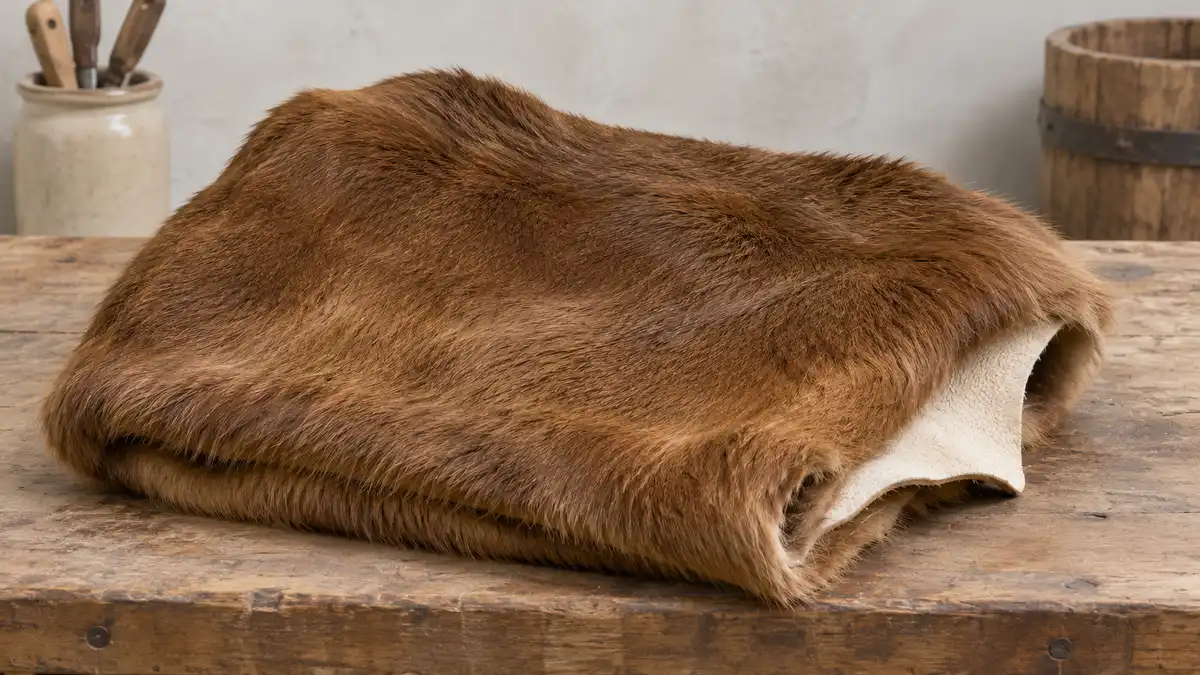
Raw deerskin duty and import eligibility
Read from the UK Trade Tariff on 29 September 2026, heading 4103 covers other raw hides and skins, including preserved skins, but excludes tanned, parchment-dressed or further-prepared material. The supplied deerskin line is 4103 90 00 00. The table shows preservation forms within this same line, rather than separate commodity codes. See other raw skins for the wider heading.
The supplied China duty is 0%, with no anti-dumping or countervailing duty and no suspension recorded. The tariff attaches veterinary control, restriction on entry into free circulation, CITES import and export controls, and cat-and-dog-fur and seal-product controls. Confirm the applicable release restriction and species-related controls with your customs broker; their attachment to this broad line does not identify your deer species.
For controlled animal by-products, official guidance requires advance notification through IPAFFS and entry through an approved border control post. Confirm the shipment's treatment route and required documents with the Animal and Plant Health Agency before dispatch. For CITES-listed skins, establish the relevant import and Chinese export documentation. Use finding your commodity code to check classification against the actual preservation and processing.
| Goods | Commodity code | Duty | Anti-dumping or countervailing duty on China |
|---|---|---|---|
| Dried raw deerskins | 4103 90 00 00 | 0% | None |
Specify species, preservation and usable skin
Specify the deer species by scientific name, origin, intended tanning process, whole or split skins, hair retained or removed, and preservation method. Agree how usable area is measured, the grading of flay cuts and holes, trimming, flesh removal, and whether salt and moisture affect the invoiced weight.
Fresh skins require origin authorisation for fresh meat of the same species. Defra states that China is not authorised to export fresh or frozen ungulate meat to Great Britain, so fresh Chinese-origin deerskins cannot use that route. The treated-ruminant-skins route permits any country subject to its conditions, including approved establishments and separation after treatment. Obtain the treatment records and ask the agency to confirm eligibility.
Worked duty example
Illustrative example, not a quote: Illustrative trial batch of dried raw deerskins for a small tannery under 4103 90 00 00, invoiced at £2,500 free on board, with £350 of freight and insurance to the UK. The customs value is £2,850. Duty at 0% is £0. Import VAT at 20% is charged on the customs value plus duty, £2,850, so it is £570. With no duty, the only import tax is the VAT, which a VAT-registered importer can usually reclaim. The import duty and VAT guide explains each step.
Inspection checklist
Identity: match species, origin and batch references across the supplier records and delivered bundles.
Preservation: compare the treatment records with the agreed process; inspect for mould, putrefaction, hair slip where hair is retained, and uneven drying or salting.
Usable area: unfold representative skins and record holes, deep flay cuts, scars, damaged edges and excessive attached flesh against the agreed grade.
Packing: check bundle counts, condition, leakage and batch identification before combining stock. Photograph discrepancies and retain the supplier's packing records.
Working out your own order? Send us the product on WhatsApp and we reply the same working day: WhatsApp us
What goes wrong
A supplier's description of 'raw' or 'salted' does not establish import eligibility. An unsupported treatment history, unclear species or unverified establishment can leave the buyer with goods that cannot be released. Official guidance says consignments failing import requirements may be rejected, re-exported or destroyed.
Commercial disputes arise when the buyer expects usable skin area but pays for salt, retained moisture or damaged margins. Put the measurement method and rejection criteria into the order, then compare arrival findings with the approved sample and shipment photographs.
Cambridge China Bridge sources these products for UK businesses, checking the factory and the documents before shipment. See factory verification. For repeat volumes, see container programmes.
Frequently asked questions
What is the UK import duty on raw deerskins from China?
The supplied tariff records 0% for 4103 90 00 00, with no anti-dumping or countervailing duty or suspension. Import eligibility and veterinary controls remain separate checks.
Can I import fresh deerskins from China into Great Britain?
Fresh Chinese-origin deerskins cannot meet the fresh-skins country condition: fresh meat of the same species must be authorised, and Defra says China lacks authorisation for fresh or frozen ungulate meat.
Can preserved deerskins qualify for import?
Potentially. The treated-ruminant-skins route allows any country subject to its conditions. Obtain treatment and separation records, verify the establishment, and confirm the required documents before shipment.
Do raw deerskins need CITES paperwork?
It depends on the species. Identify it scientifically and check its CITES status. For a listed species, confirm the relevant UK import and Chinese export documentation before ordering or shipping.
Sources
- UK Trade Tariff — commodity codes and duty
- Fresh or chilled ungulate hides and skins: import guidance
- Treated ruminant hides and skins: separation and import conditions
- General information for imports of animal by-products
- Check if you need a CITES permit
- Defra assessment of foot and mouth disease in China